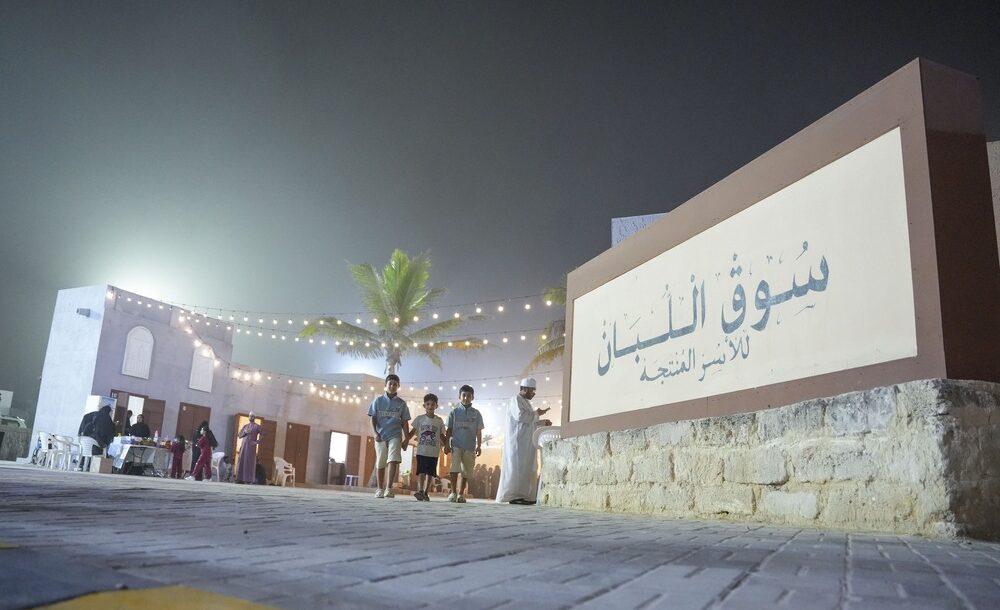

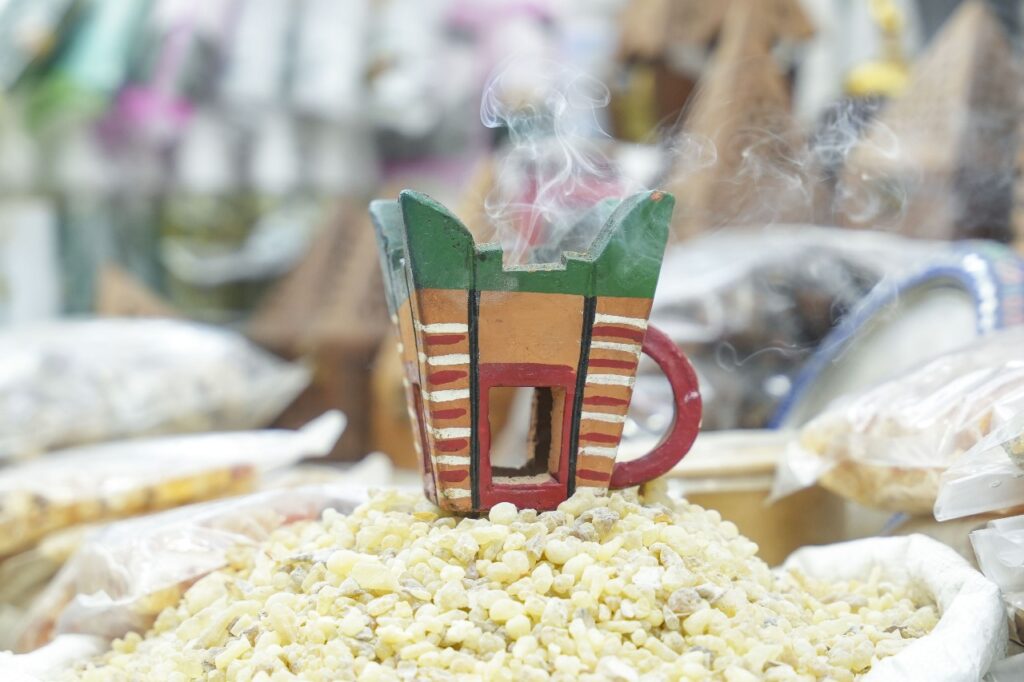
MUSCAT – The vibrant atmosphere is filled with the aroma of frankincense and adorned with authentic Omani heritage and arts.
Through this initiative, Dhofar Municipality supports over 300 productive families and small-to-medium enterprises from various wilayats in the governorate. The market showcases a variety of handicrafts, traditional Omani foods, and heritage products that reflect Dhofar’s cultural and social identity.
This year, the market has seen organisational improvements, including the expansion of exhibition spaces, the upgrade of public facilities and parking areas, and the redesign of stalls and surrounding structures inspired by local architectural styles. These enhancements enrich the visitor experience while highlighting the governorate’s cultural heritage.
Read More
- New tourism projects in Oman’s Al Dakhiliyah Governorate reach up to 94% completion
- Oman confirms start of Rabi’ al-Awwal on August 14
- Oman activates emergency response to curb oil spill after tanker grounds near Hallaniyat Islands
- Oman’s Transom expands into Algeria with Air Algérie partnership
- Oman court jails social media user for one year over content violating public morals
Salim Abdullah Fadhil, supervisor of the ‘Frankincense Market’, pointed out that this year’s edition features notably diverse participation, thanks to direct support from Dhofar Municipality. He emphasized that the market is not merely a sales outlet but an integrated platform to display and promote local heritage elements.
He added that visitors can explore a wide range of handmade crafts, including palm-frond products, incense burners, and Omani frankincense goods, alongside traditional foods prepared by productive families.
The accompanying events include daily performances on the market stage from 4 PM until midnight, where traditional Omani art troupes present heritage-inspired performances, along with children’s shows, folk theatre, and musical evenings featuring Omani artists.
The market will remain open to visitors until the end of the Khareef season, serving as both a cultural tourism destination and a vital support system for local enterprises and productive families while contributing to the growth of Dhofar’s community-based economy.





