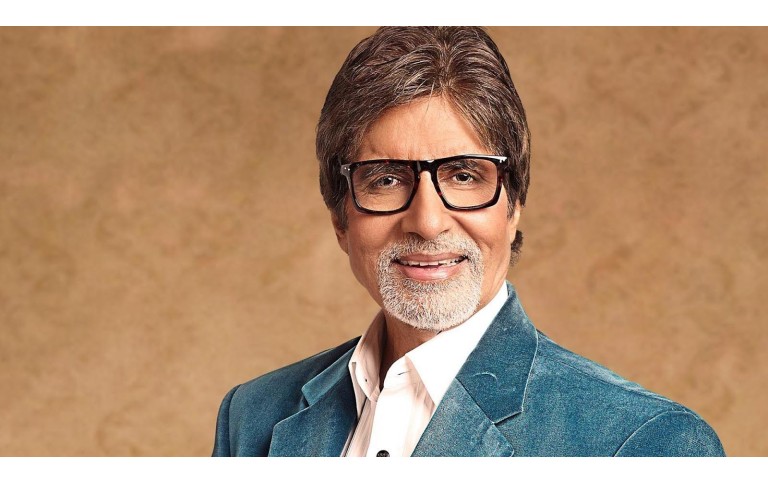

There are stars, and then there is Amitabh Bachchan—a name that not only dominates Indian cinema but has become synonymous with excellence, resilience, and reinvention. Revered as the “Shahenshah” of Bollywood, Amitabh Bachchan’s journey spans more than five decades and remains one of the most captivating narratives in the world of entertainment. Actor, poet, television host, humanitarian—his legacy defies boundaries and generations.
The Rise of a Reluctant Superstar
Born on October 11, 1942, in Allahabad (now Prayagraj), Amitabh Bachchan was the son of celebrated Hindi poet Harivansh Rai Bachchan and social activist Teji Bachchan. With a voice too deep for radio and a lanky frame that defied the typical hero mold of the 1960s, Amitabh’s early attempts at breaking into Bollywood were met with rejection. But destiny had other plans.
Read More
- Superstar Rajinikanth’s ‘Jailer 2’ sets Oman cinemas on fire with over 20 shows a day
- Veteran Indian actor Nana Patekar dies at 75
- Ayushmann Khurrana and Sara Ali Khan bring the energy to Chandigarh ahead of Udta Teer
- One Feeling at a Time: Talwiinder begins his ‘Paiinted Feeliings’ journey with ‘Assay Passay’
- Avengers: Endgame Encore opens in Oman as Kuwait cancels cinema release
His breakthrough came in 1973 with “Zanjeer,” directed by Prakash Mehra. Bachchan’s portrayal of the brooding, morally upright “Angry Young Man” struck a chord with an India in turmoil. That role launched a phenomenon, the dawn of a superstar who would redefine masculinity, rebellion, and vulnerability on screen.

The Reign of the ‘Angry Young Man’
The 1970s and 1980s belonged to Amitabh Bachchan. With hits like Deewaar (1975), Sholay (1975), Amar Akbar Anthony (1977), Don (1978), Muqaddar Ka Sikandar (1978), and Silsila (1981), he became a household name. His deep baritone, towering presence, and unmatched intensity made him the heart of Indian cinema.
Unlike many stars, Bachchan played flawed, layered characters—smugglers, debt-ridden sons, angry orphans, poets, and everyman heroes caught in the crossfires of society. He was not just a film star; he was the voice of a frustrated generation.

Brush with Mortality & The Comeback of the Century
In 1982, while filming a stunt for “Coolie,” Bachchan suffered a near-fatal intestinal injury. The nation prayed, blood banks ran dry, and temples were crowded with chants for his recovery. He survived, and India’s relationship with him became deeply emotional—he was no longer just a hero, but a symbol of hope and resilience.
In the 1990s, Bachchan faced setbacks both personally and professionally. His political foray was short-lived. His company, ABCL (Amitabh Bachchan Corporation Ltd), collapsed. The industry whispered that his time was over. But Amitabh was never one to fade quietly.
In 2000, he made a historic comeback—not through films, but with television. Hosting Kaun Banega Crorepati (KBC), the Indian version of Who Wants to Be a Millionaire?, Bachchan entered living rooms across the country, not as a superstar, but as a mentor, a guide, and a friend. It revitalized his career and reshaped the public’s perception of television.

A Career Reinvented, A Legacy Reinforced
From the 2000s onward, Bachchan has redefined what it means to age gracefully in the spotlight. He took on roles that other actors would shy away from: an aging father battling emotional and physical issues in Baghban (2003), a man with progeria in Paa (2009), a grumpy Bengali grandfather in Piku (2015), a blind chess master in Wazir (2016), and a warrior in Thugs of Hindostan (2018).
He continues to deliver critically acclaimed performances in Gulabo Sitabo (2020), Jhund (2022), and Uunchai (2022), proving that his artistic appetite remains insatiable.
His deep baritone voice, once considered a limitation, has become his signature asset, commanding attention in voiceovers, advertisements, and poetry recitations.

Beyond Cinema: The Man Behind the Legend
Amitabh Bachchan is a writer, blogger, poet, and cultural commentator. His daily blog is a window into the life of a global icon who remains remarkably grounded, reflective, and self-aware. He supports various causes—from tuberculosis and polio eradication to disaster relief and COVID-19 awareness.
He’s also a shrewd observer of technology and social media, maintaining a strong presence on platforms like Twitter and Instagram, engaging with fans across generations.
His accolades include:
- Padma Shri, Padma Bhushan, and Padma Vibhushan
- Dadasaheb Phalke Award (2019)
- Over 230 awards, including multiple National Film Awards and Filmfare Awards
- International honors from France, Egypt, and more
Why Amitabh Bachchan Matters Today
In an age of short-lived fame and fleeting stardom, Amitabh Bachchan stands tall as a beacon of endurance, humility, and creative evolution. He has managed to bridge generations—from grandparents who recall his Zanjeer days to Gen Zs quoting lines from Piku and KBC.
He is not just a celebrity—he is an institution.

The Final Word
Amitabh Bachchan is proof that true greatness is not just about talent but tenacity, grace, and the ability to keep evolving. As he enters his eighth decade, the legend shows no signs of stopping. With new films, campaigns, causes, and conversations, he continues to inspire millions.
To describe Amitabh Bachchan merely as an actor is to miss the point—he is a cultural force, a timeless storyteller, and above all, a living legend whose presence reminds us of the enduring power of art and the unshakable human spirit.






