

Muscat : The workshops titled ‘Analysis of the Current Status of the National Human Rights Strategy in the Sultanate of Oman’, aim to assess legal, regulatory, and procedural frameworks across various human rights fields. It seeks to prepare the first comprehensive national human rights strategy in the Sultanate of Oman, and explore key challenges and opportunities so as to develop strategic goals that are implementable and measurable in the short and long term.
The sessions will run through July 3, focusing on diagnosing the current human rights situation in Oman—civil, political, economic, social, cultural, and environmental—and setting strategic goals for these rights.
In his opening remarks, Dr. Rashid bin Hamad Al Balushi, Chairman of the OHRC, emphasised that this initiative is a fundamental step towards launching a unified national human rights strategy rooted in the Basic Law of the State. He stated that the strategy aligns with the international agreements and conventions to which Oman is a signatory, demonstrating the Sultanate’s commitment to global human rights standards while upholding its national identity, cultural values, and humanitarian principles.
Read More
- Oman health ministry clarifies recruitment notice after social media discussion
- Oman navy evacuates 25 crew after commercial vessel targeted off Musandam
- Three arrested in Oman over RO40,000 money-doubling scams
- More than 100 arrested in Muscat over labour, residency violations
- His Majesty Sultan Haitham to make state visits to China and Brunei from November 1
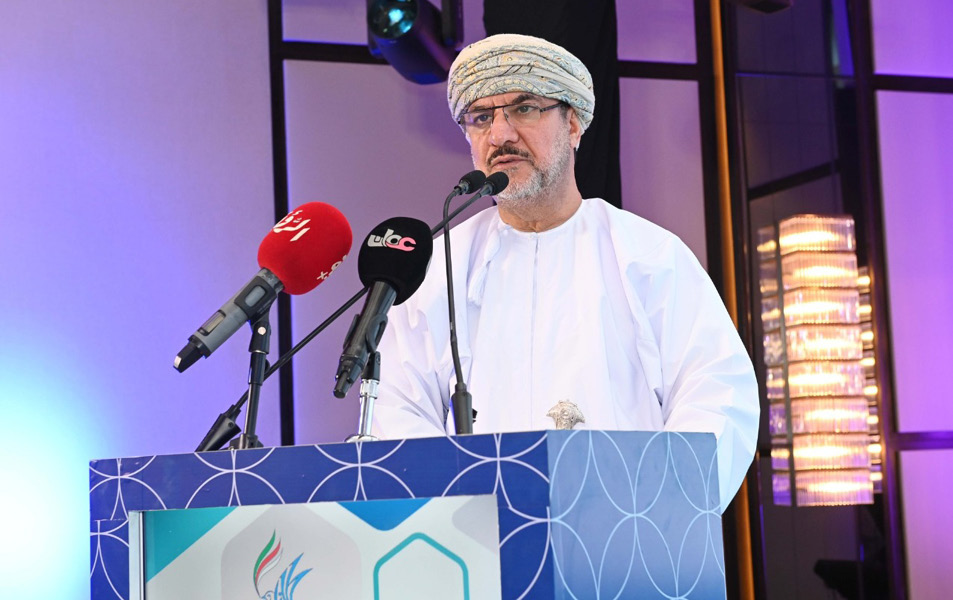
He stated that the committee has been keen from the outset to ensure that this strategy is fully integrated with the directives of Oman Vision 2040, through direct coordination with the Vision’s Implementation Follow-up Unit, making it part of the comprehensive development drive pursued by the Sultanate of Oman.
He explained that these sessions represent an important stage in the preparation process, aiming to analyse the current legal reality in the Sultanate of Oman in all its legal, regulatory, and institutional dimensions. They also seek to assess strengths, identify key challenges, explore available opportunities, measure risks, and develop feasible strategic objectives based on clear indicators and a precise baseline that serves as a reference for monitoring and evaluation.
He highlighted OHRC’s commitment to adopting the strategy based on the principle of a participatory approach, in which everyone contributes. It features the participation of more than 55 government and private entities and civil society institutions, reflecting the integration of efforts and unity of purpose.
Dr. Al Balushi concluded by announcing that the final National Human Rights Strategy will be unveiled on December 10, in conjunction with International Human Rights Day, ushering in a new phase in institutional human rights work in Oman.
During the workshop, Dr. Jamal bin Obaid Al-Khadouri, Commission member and representative of the Ministry of Health, gave a presentation on the strategy’s key foundations. He outlined the legal and international frameworks underpinning the strategy, referencing instruments such as the Arab Charter on Human Rights, the International Convention on the Elimination of Racial Discrimination, and the Convention for the Protection of All Persons from Enforced Disappearance.

He added that a comprehensive national study is currently underway to analyse existing data from relevant authorities and identify key gaps that will inform strategic planning.
Basma bint Mohammed Al Basamia, an expert in strategic planning and performance improvement, delivered a paper titled “Methodologies for Analyzing the Current Situation.” Her presentation included an in-depth review of internal and external factors influencing the human rights environment in Oman.
The workshops are considered a foundational step in formulating a national strategic document based on a realistic and data-driven assessment of the human rights landscape. The methodology being employed is designed to produce clear, specific, and measurable goals, tied to qualitative and quantitative indicators.
The sessions aim to assess progress made in all areas of human rights by analysing legal, regulatory, and procedural aspects, as well as clarity of governance and monitoring the value of indicative outcome indicators. It will also formulate realistic and time-bound strategic objectives that can be used to develop future executive program plans and establish performance indicators, evaluation, and follow-up.





