
Muscat: A celestial discovery monitored by meteorite fall detection devices in Oman, this 26.8-gram meteorite, named after the Raja area in Al Wusta Governorate where it fell, has been officially added to the International Meteorite Society’s database, marking a significant scientific accomplishment in meteorite studies.

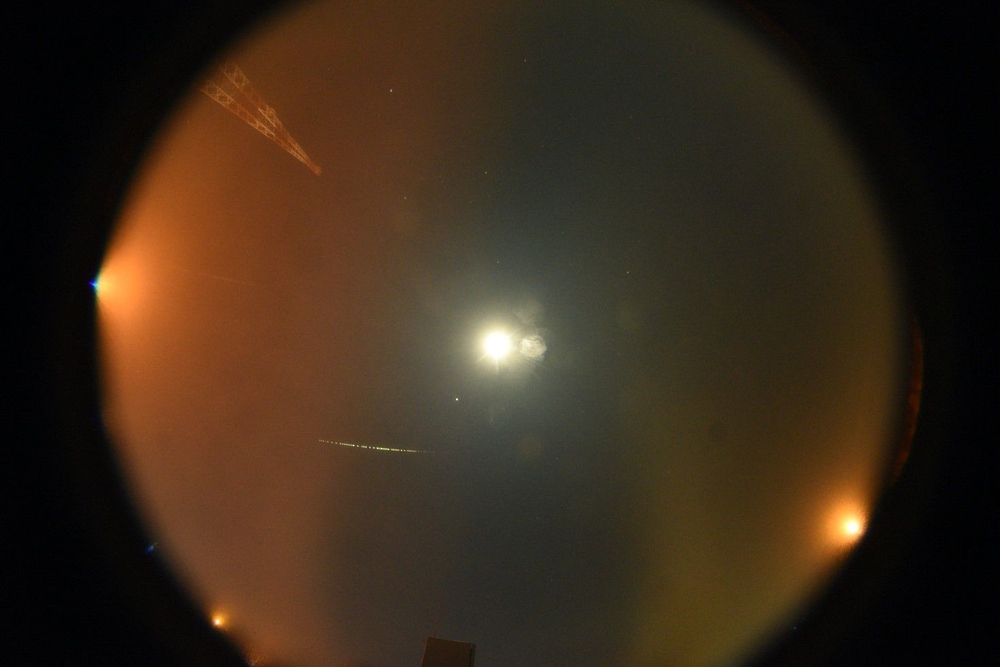
The “Raja Meteorite” is only the second documented meteorite fall in Oman, following the “Al Khadf Meteorite,” announced in October 2023. It entered Oman’s atmosphere on December 23, 2023, and was discovered 49 days later, on February 10, 2024, by a dedicated Omani-Swiss scientific team.
Extensive chemical and laboratory analyses confirmed the link between the observed fall and the recovered meteorite. The findings revealed that the meteorite belongs to the rare “enstatite chondrite” category, scientifically classified as “EH3.” These meteorites originate from the asteroid belt between Mars and Jupiter and contain minerals unstable in Earth’s oxygen-rich atmosphere. Intriguingly, the “Raja Meteorite” also contained a mineral previously unknown to science.
Read More
- Oman launches month-long national campaign to combat human trafficking
- Muscat Municipality steps up bridge maintenance to boost road safety
- Oman announces 803 preliminary candidates for municipal council elections
- ‘Dialogue is the real power capable of bringing us together’: Sayyid Badr tells UN
- Six arrested for illegally entering Oman with over 40kg of drugs and firearm
Plans are underway to exhibit these meteorites in Oman’s museums and highlight ongoing research through workshops and exhibitions.





