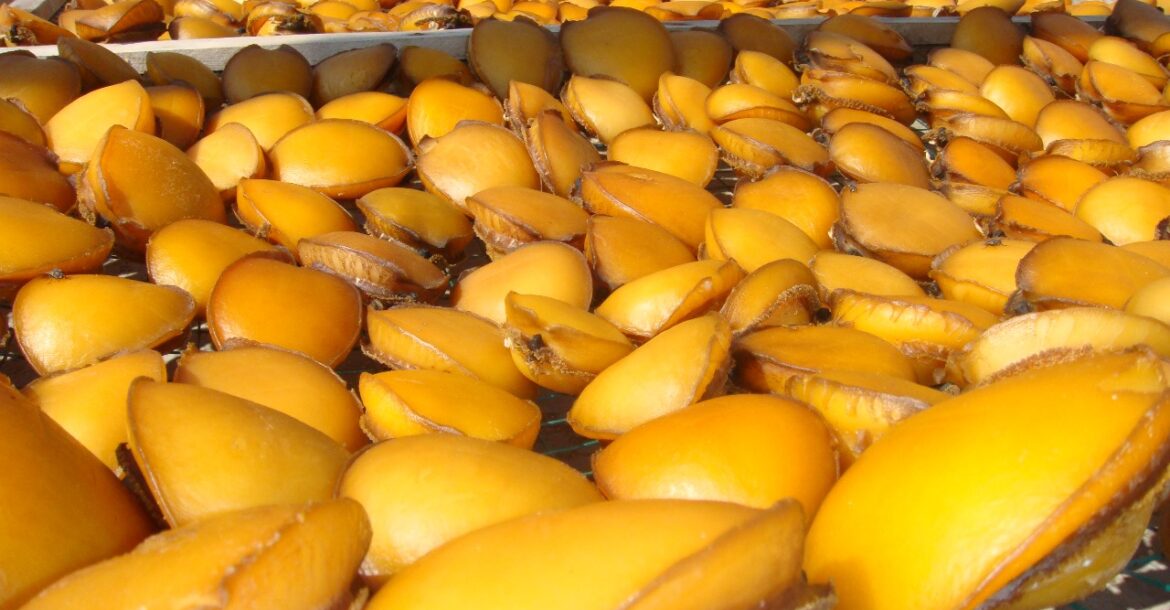
Muscat: The initiative, which follows the conclusion of the 2024 Abalone fishing season, focuses on key fishing areas in Mirbat, Sadah, Hadbin, and Hasik. The program is designed to bolster the declining abalone population, which has faced threats from overfishing and habitat degradation. The initiative underscores the Ministry of Agriculture, Fisheries, and Water Resources’ commitment to protecting this vital marine species, which plays a key role in the region’s ecosystem.
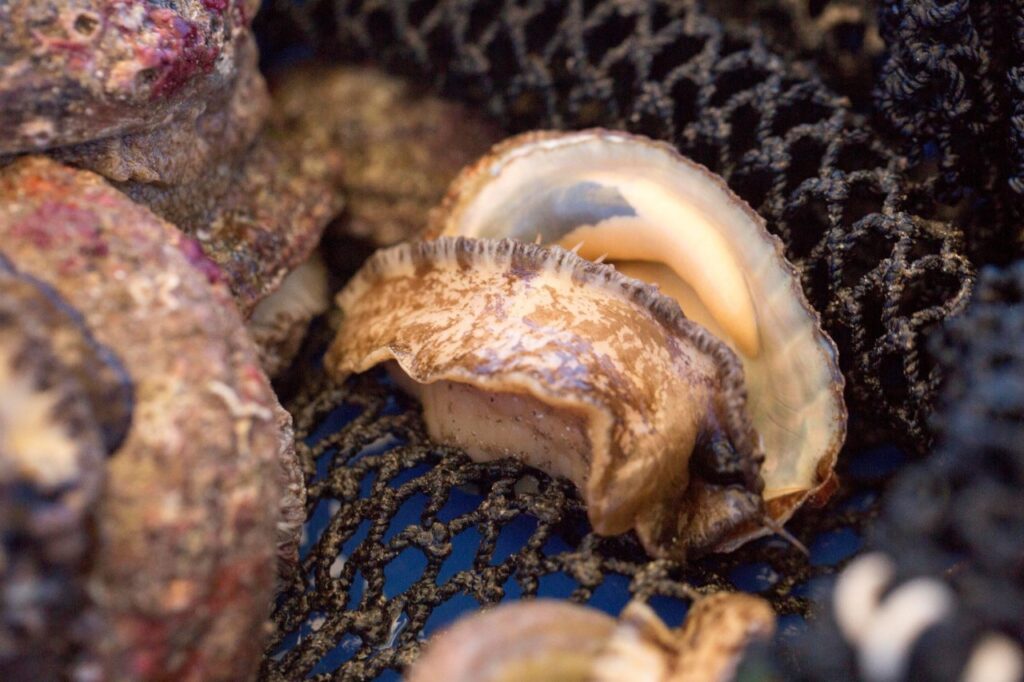
Eng. Salem bin Ahmed Al Ghassani, Director of the Fisheries Research Centre, explained that abalone is not only an important biodiversity asset but also a critical resource for local economies. Its high demand, particularly in Asian markets, highlights the need for its sustainability to support both marine health and the livelihoods of local fishermen.
Read More
- Oman and China sign RO 4.2 million trade agreements to boost logistics and industrial cooperation
- Oman’s North Al Sharqiyah health centres reach 95% completion
- Omani student startup develops self-powered smart hydroponic farming system
- Oman’s Mwasalat launches tender for electric and diesel bus fleet modernisation programme
- His Majesty the Sultan greets leaders of South Africa, Togo, the Netherlands
The abalone fry, produced at the fish farming station in Mirbat, are raised for up to 8 months before being released into the wild. Each seed undergoes rigorous laboratory testing to ensure it is free from pathogens. By increasing the natural stock of abalone in Dhofar’s marine areas, the initiative aims to boost productivity for local fishermen and support industries related to abalone processing and export.
This initiative also emphasizes community awareness about sustainable practices, encouraging fishermen to partner in efforts to conserve marine resources. It provides essential data for enhancing future fisheries management strategies, ensuring a long-term approach to marine sustainability.
Despite initial successes, challenges remain, particularly regarding the survival rates of the planted abalone. Efforts are being ramped up to protect the seeds from predators and environmental pressures, while also restoring critical habitats. Implementing fishing regulations, such as setting specific fishing seasons and size limits, is vital to ensure the long-term health of abalone stocks. Local community involvement is key to the initiative’s continued success





