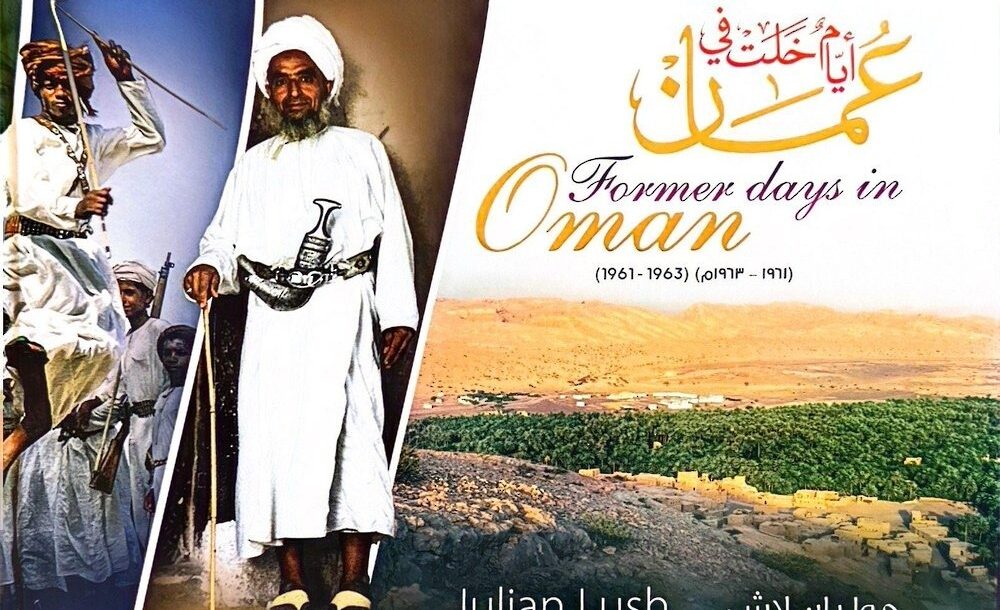
Muscat: The book captures an era before the discovery of oil reshaped the region, documenting the essence of life, traditions, and heritage in vivid detail.
Lash, who described his photographic journey as “unique,” traversed diverse regions of Oman, including Al Dhahirah, Al Wusta, Muscat, Al Dakhiliyah, Al Sharqiyah, and Al Buraimi. His lens documented everything from traditional crafts like blacksmithing and palm-frond weaving to agricultural practices, bustling markets, and vibrant cultural events such as the Omani Razha.
Reflecting on his time in Oman, Lash shared, “I arrived in Ibri in January 1961 and quickly immersed myself in the colloquial dialect to connect with the locals.” This connection shines through in the photographs, which portray not only the daily lives of Omanis but also their profound values of hospitality, tolerance, and unity.
Read More
- Dhofar Municipality tightens licensing rules for 2026 Khareef season activities
- Oman condemns attacks on Bahrain and Kuwait
- Oman’s OMIFCO sees no impact from regional tensions, exports continue uninterrupted, says CEO
- Oman records season’s highest temperature as Mahout hits 50°C
- Oman records nearly 14,000 Hajj pilgrims in 2026; Muscat tops governorates
The book portrays the resilience of Omanis in navigating harsh environmental conditions, using animals for transportation and adapting to extreme climates. It also highlights the evolving role of the Oman Petroleum Development Company during the early stages of oil discovery and its efforts to involve Omanis in the industry.





