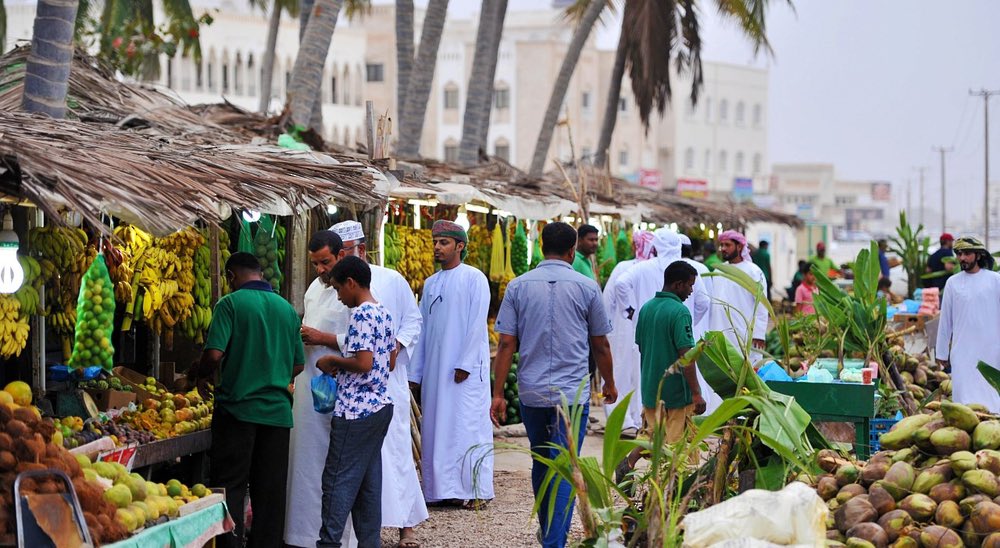

Muscat: Dhofar Governorate, known for its unique seasonal climatic conditions, becomes a haven for fruit and vegetable lovers during the Khareef season. The Salalah Plain, in particular, offers a diverse range of crops, with coconuts and coconut water, or “mashli” as they are locally known, taking the lead. These kiosks, scattered across Salalah, attract both tourists and residents who delight in drinking fresh coconut water and purchasing locally grown tropical fruits such as bananas, papayas, and guavas.
The fertile Salalah Plain is renowned for its agricultural abundance, producing fruits and vegetables yearly. Coconut cultivation dominates the area, alongside significant yields of bananas, lemons, guavas, and papayas. These fresh products, often picked directly from roadside orchards, draw numerous visitors during the Khareef season.
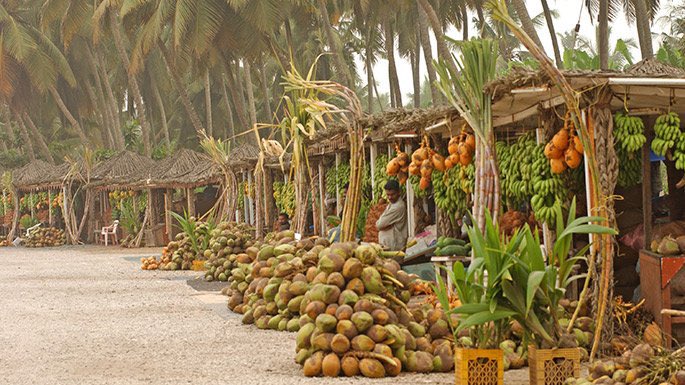
Among the most prized crops are bananas and papayas. Bananas, a vital regional economic and food crop, thrive due to the ideal climatic conditions. Papayas, known for their evergreen, fast-growing trees, boast a high quality that rivals international varieties. Khareef is the prime season for cultivating papayas, which offer numerous health and nutritional benefits.
Read More
- India condemns Strait of Hormuz tanker attack, says one Indian missing
- Uzbek president concludes Oman state visit after signing strategic partnership pact
- Muscat Municipality announces National Day events at Al Khuwair Square
- Oman, Uzbekistan pursue preferential trade deal as they target $500 million in bilateral trade
- His Majesty Sultan Haitham, Uzbek president discuss closer ties in Muscat
Salalah Agricultural Plain also supports a wide range of other crops, contributing to food security and Oman’s agricultural sector’s productivity. This includes lemons, guavas, tomatoes, zucchini, sugar cane, pomegranates, berries, avocados, custard apples (locally known as “mustafel”), corn, peppers, cucumbers, eggplants, watercress, lettuce, sweet potatoes, and legumes.