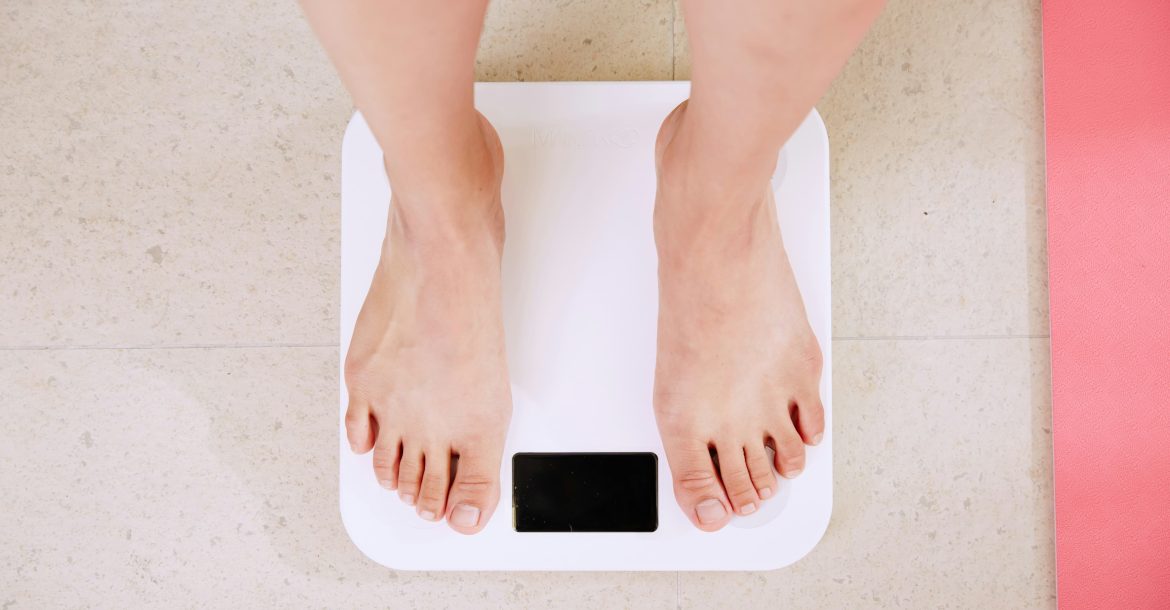

A person’s weight in kilograms divided by their height in metres squared yields their body mass index, or BMI. High body fatness may be indicated by a high BMI.
BMI is a quick and simple screening measure for disorders like diabetes and obesity, as well as a person’s weight category. While it is a useful tool and can be an accurate predictor, it is not utilized to reach a diagnosis in these situations.
You must know your height and weight to determine your BMI. BMI is calculated using metric units of kilograms and metres and is calculated as an individual’s weight divided by the square of their height. To obtain the measurement while using the imperial units (pounds and inches), you will need to include an additional component in the
calculation.
Metric measurements
The formula: height (m) / weight (kg).2.
The imperial system (applied in the United States)
Weight (lb) / [height (in)] is the formula. Two times the 703
BMI Categories:
Underweight = <18.5
Normal weight = 18.5–24.9
Overweight = 25–29.9
Obesity = BMI of 30 or greater
According to the algorithm, your BMI will decrease as you get taller. On the other hand, your BMI increases with your weight. This is how the computation is set up since it recognizes that taller persons would often weigh more (and vice versa).
A slim or underweight person has a BMI of 18.5 or below. Overweight is defined as a BMI of 25 or above. The risk to one’s health increases with BMI. A BMI of 30 or over is considered obese. Be aware that there are situations when a person’s BMI is in a higher category (such as obesity), yet they do not have extra body fat, such as with strong athletes. This happens due to the BMI calculation using an individual’s total weight, which takes into account not just body fat but also muscle mass and other components.
Who is not supposed to use this instrument?
If you or the person you are using it for is under the age of eighteen, pregnant, has been diagnosed with an eating problem, suspects they may have one, or has a condition that affects their height, you should not use this tool.
Read More
- Oman lays foundation stone for genome centre costing more than RO 4.2 million
- Nearly 60% of high blood pressure cases go undiagnosed, Oxford study finds
- ADHD: An emerging discussion on a shared disorder
- Matcha Mania: Is the green drink really as healthy as it seems?
- Oman marks World Health Day, highlights commitment to health innovation and digital transformation





