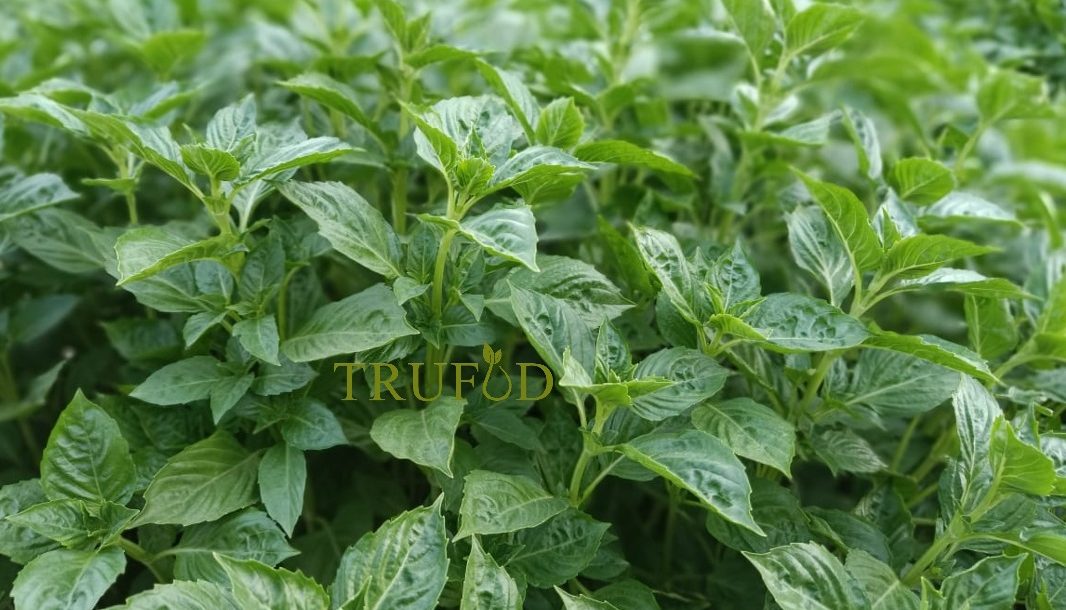

Basil, is a versatile herb known for its distinctive aroma and flavor, has been used for centuries in various cuisines and traditional medicine. The most common type of basil is sweet basil (Ocimum basilicum). Other types include purple basil (less sweet than common basil), lemon and lime basil (wonderful citrus flavors) and Thai basil (spicy licorice flavor). I grow ‘Genovese’ basil (in Ligurian language, baxaicò or baxeicò) which is one of the most popular cultivars of sweet basil for culinary use, particularly for bruschetta and the traditional Genovese pesto sauce. Additional cultivars of sweet basil include large lettuce leaf varieties like ‘Napoletano’ and ‘Italian Large Leaf’, as well as compact small leaf bush varieties such as ‘Spicy Globe’ and ‘Green Globe’.
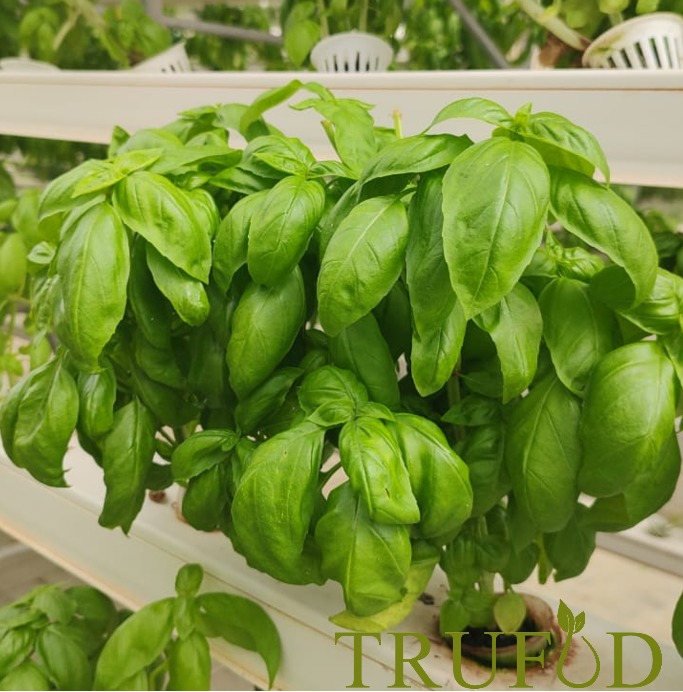
Basil contains high levels of antioxidants, such as flavonoids and phenolic compounds, which help protect cells against damage caused by harmful free radicals. These antioxidants can support overall health and potentially reduce the risk of chronic diseases such as heart disease and certain types of cancer.
While basil leaves are commonly used to aid digestion and alleviate digestive discomforts such as bloating and gas. The essential oils present in basil can help stimulate the production of digestive enzymes, thus promoting smoother digestion and relieving gastrointestinal troubles.
Read More
- Oman lays foundation stone for genome centre costing more than RO 4.2 million
- Nearly 60% of high blood pressure cases go undiagnosed, Oxford study finds
- ADHD: An emerging discussion on a shared disorder
- Matcha Mania: Is the green drink really as healthy as it seems?
- Oman marks World Health Day, highlights commitment to health innovation and digital transformation
The immune-boosting properties of basil can be attributed to its essential oils, vitamins A and C, and other beneficial compounds. Consuming basil regularly may enhance the immune system’s response to infections and improve overall immunity, helping the body fend off illnesses more effectively.
Basil is a favorite herb to grow every winter. Basil tastes great in Italian dishes and is a key ingredient in many other ethnic cuisines. I use it to make homemade pesto sauce for pasta, and I love it in sandwiches in place of mayonnaise or mustard. Basil is very easy to grow mostly in winter months.
Basil is a tender annual that will need to be replanted every season. It requires fertile, well-draining soil. Choose a site with full sun, meaning at least six to eight hours per day. You can start seeds indoors six weeks before the last spring frost in your area, or sow the seeds directly into a prepared garden bed outdoors. As with other edible plants, chose a site with clean soil, away from driveways and busy streets so that exhaust won’t settle on the plants. Basil needs warmth. Transplant or seed after the last frost date for your area and after the soil has warmed to at least 60°F. Basil germinates around 70°F. Do not rush basil. Without heat, this herb won’t grow. Plant seeds about ¼-inch deep and thin to 10 to 12 inches apart. Basil can also be grown in a container with a good fertile potting mix. I get a plentiful harvest with one large (one foot by two feet by 8 inches deep) pot of basil.
Basil has long been regarded as an adaptogen, a natural substance that helps the body handle stress and promotes mental well-being. The aroma of basil is believed to have a calming effect on the mind, reducing anxiety and elevating mood. It contains important nutrients like vitamin K, which aids in blood clotting and supports bone health. Additionally, compounds like eugenol and rosmarinic acid in basil contribute to heart health by helping to regulate cholesterol levels, reducing the risk of heart disease.
Aside from its health benefits, one cannot overlook the versatility of basil in cooking. Whether it’s adding freshness to salads, enhancing the taste of pasta sauces, or topping off pizzas, basil adds a burst of flavor and fragrance to dishes, making them even more enjoyable.
The time is ripe to start choosing basil as a regular addition to your diet. Its remarkable health benefits, including antioxidant properties, anti-inflammatory effects, digestive support, and immune-boosting qualities, make it a valuable herb for overall well-being. With its culinary versatility, basil is a delicious and practical choice that can elevate your meals while providing numerous health advantages. So, embrace the wonders of basil and introduce this extraordinary herb into your daily routine for a healthier and more flavorful life.
For all the latest news from Oman and GCC, follow us on Twitter, Instagram and LinkedIn, like us on Facebook and subscribe to our YouTube page, which is updated daily.





