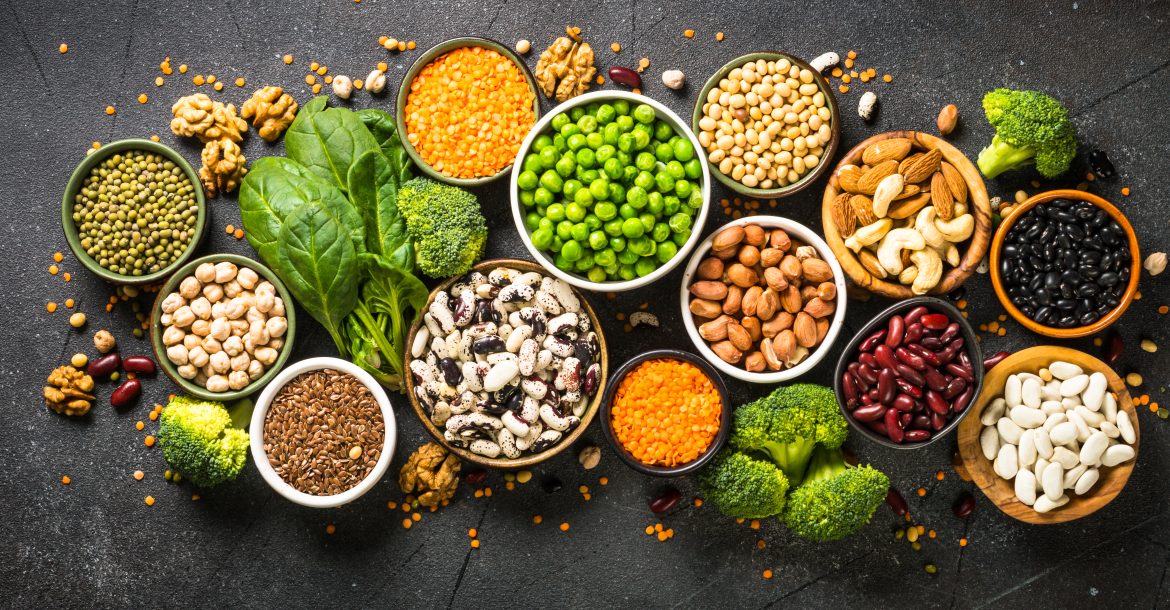

Did you know that protein makes up about one-fifth of your body weight? You heard correctly! Protein is an essential component of your body and not just a vitamin. It is essential to the structure and operation of every cell and tissue in the body, from your healthy-looking hair and strong nails to your blood, skin, and bones.
The greatest supply of protein is typically found in non-vegetarian foods, but that doesn’t mean that vegetarians by nature are at a disadvantage. Here is a list of the top ten vegetarian options with the highest levels of protein.

Lentils – 18 grams of protein per half cup
Read More
- Oman lays foundation stone for genome centre costing more than RO 4.2 million
- Nearly 60% of high blood pressure cases go undiagnosed, Oxford study finds
- ADHD: An emerging discussion on a shared disorder
- Matcha Mania: Is the green drink really as healthy as it seems?
- Oman marks World Health Day, highlights commitment to health innovation and digital transformation
Lentils are commonly consumed in this region. They are a great vegetarian protein source because they have roughly 18 grams of protein per cup. It is possible to consume lentils with rice, breads, or even in soups.
Legumes – 15 grams of protein per serving
Bean varieties that are regarded as a protein powerhouse, such as kidney beans, black beans, chickpeas, and other comparable ones, are included in the category of legumes. A single serving of chickpeas provides around 15 grams of protein, along with a host of other nutrients and minerals that help maintain your health and physical fitness. Regular consumption of beans has also been shown in clinical research to help maintain low cholesterol levels.
Nuts – 6 grams protein on an average (20 -25 pieces)
In certain respects, nuts are superfoods. When it comes to maintaining a healthy vegetarian protein diet, you really ought to think about including nuts in the meal. Almonds and cashew nuts are two good sources of protein and are consistently listed among the protein-rich foods.
Green Peas – 9 grams of protein per cup
Green peas are a great way to get your protein fix. Additionally, they have high fibre content, many minerals, and are rich in vitamins A, K, and C. All it takes to provide your body with the extra protein it needs is to incorporate green peas into your regular vegetarian diet.
Quinoa – 9 grams of protein per cup
Quinoa is rich in protein and low in fat. About nine grams of protein may be found in each cup of quinoa, making it a great food for those with diabetes. Because of their high dietary fibre content, they may aid in controlling blood sugar levels.
Soy Milk – 7 grams of protein per cup
Many people need an alternative source of protein because they are lactose intolerant, and soy milk is an excellent choice because it has about 7 grams of protein per cup. Soy milk is a great food because it is high in protein, but it is also high in calcium, vitamin B12, and vitamin D.
Oats – 6 grams of protein per cup
While oats are heavy in protein, they are also a powerful source of soluble fibre and have been shown in studies to lower cholesterol and cut the risk of heart disease.
Chia Seeds – 6 grams of protein per tablespoon
Chia seeds have a massive 13 grams of fibre and 6 grams of protein per 35 grams of serving! Chia seeds are simple to use; just be sure you eat the organic kind. Additionally, be sure that the seeds you are eating are not basil seeds, as they might have a striking resemblance to chia seeds. You may give your body the nutritional boost it deserves by just briefly soaking chia seeds in water and then eating them with your favourite beverage. Vegans may get plenty of protein from chia seeds.
High Protein Vegetables – 5 grams per cup
Most people believe that vegetables only contain trace amounts of vitamins and minerals, as well as a negligible amount of carbohydrates and proteins. However, some vegetables—like spinach, potatoes, broccoli, asparagus, and even sweet potatoes—have more protein than others. Even while none of these sources of protein can compare to non-vegetarian sources, at about 5 grams per cup of cooked vegetables, they are still rather good values.
Cottage Cheese – 14 grams of protein per half cup
The resurgence of cottage cheese is healthy for you. Keep in mind that cottage cheese has a little more sodium than Greek yoghurt if you are trying to limit your salt consumption. It’s a top-notch protein source. About 12 -14 grams of protein are found in a serving of cottage cheese that is 1/2 cup. Cottage cheese is said to be a great high-protein addition to any meal or snack.





