MUSCAT: The Sultanate of Oman has a long line of green hydrogen projects and the best plan to achieve the goals, according to experts at the revered Oxford Analytica, an independent geopolitical analysis and advisory firm drawing on a worldwide network.
The Omani plan aims to achieve an actual production of 30 gigawatts of electrolyzer by 2040, noting that there is an increasing demand from investors in this field due to the stimulating natural data in the Sultanate, such as the sun, wind and earth resources, as well as supportive government policies in this regard.
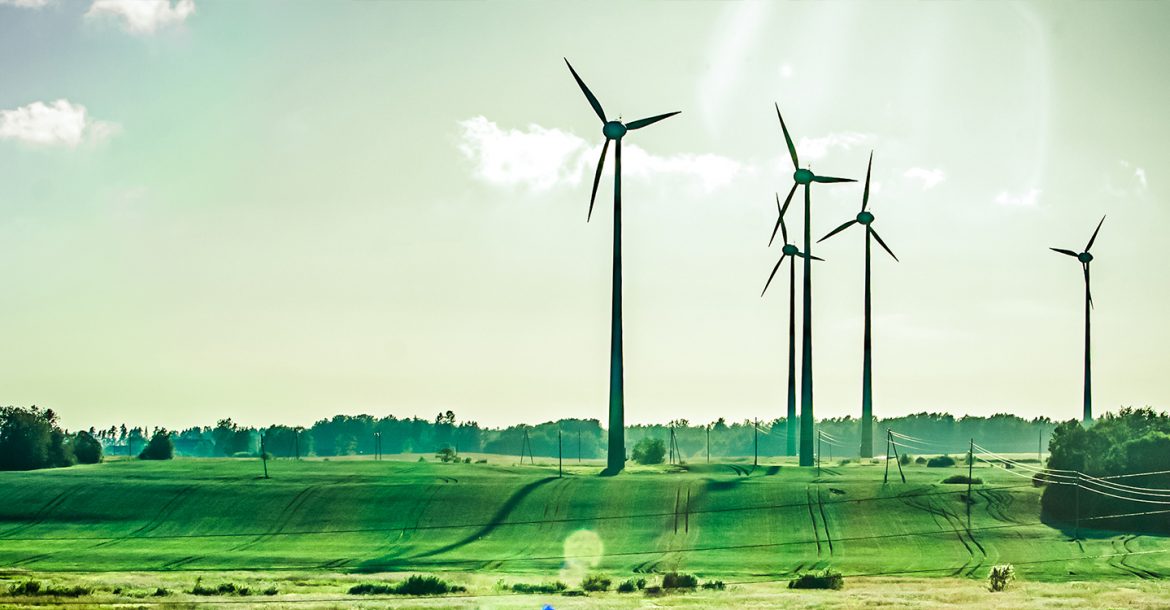
The Oman green hydrogen plant will use renewable energy to split water in an electrolyzer, producing hydrogen. The plant’s total reliance on renewable energy will result in actual environmental benefits and a reliably green hydrogen fuel product.
Read More
- Oman, Iran agree framework for safe shipping corridor through Strait of Hormuz
- Thunderstorms, strong downdraft winds sweep parts of Oman
- Saudi Crown Prince sends written message to His Majesty Sultan Haitham
- Oman FM arrives in Tehran, discusses safe passage of ships through Strait of Hormuz
- CPA seizes 1,668 soft drinks, 177 expired juice cans in Oman
According to Ben Pilkington who wrote in azocleantech.com, hydrogen fuel is a much cleaner fuel to use in terms of emissions, the significantly large energy costs to split water and produce it typically outweigh the emissions benefit. All hydrogen fuels are cleaner than fossil fuels in terms of emissions and pollution. Hydrogen does not burn off carbon when it is used and does not increase CO2 levels in the atmosphere.
The Oxford Analytica report, which was prepared by experts from one of the world’s most famous advisory institutions and is based in London, said: “The hydrogen sector will become a major contributor to Oman’s GDP and external balances by 2030, which will offset the decline in oil revenues.
“The Sultanate of Oman will increasingly shift its marketing focus from Asia to Europe, as the latter attempts to reduce its energy dependence on Russia, and regional sovereign wealth funds are likely to be major investors in Oman’s green hydrogen revolution.
“The start in this field in the Sultanate of Oman was weak, and the adoption of renewable energy sources for power generation, despite the favorable climatic conditions and the lack of natural gas. But the government and foreign investors have recognized the Sultanate’s potential to develop green hydrogen (based on renewable energy sources). And the first projects are launched in 2020, as more countries and companies look to clean fuels to help solve the challenge of decarbonizing economies.
The report indicated that the Sultanate’s government’s decision was driven by four interrelated factors:
1- The domestic and external financial crises caused by the decline in oil prices in 2020.
2- The high cost of oil production in the Sultanate and the low levels of reserves.
3- Gas shortage caused by high domestic demand, limited production and the need to meet LNG export contracts.
4- Acknowledgment that the Sultanate of Oman needs to diversify its economy from dependence on hydrocarbons.
The report indicated that Duqm has an ideal location for export. Because it is located on major global trade routes, and just outside the crowded and politically sensitive Strait of Hormuz, Duqm is sparsely populated, with sun-rich hinterland, ready to host the much needed massive solar arrays.
The report concluded that the growing momentum behind the development of green hydrogen in Oman will intensify over the next decade, benefiting from the development of the nascent industry with lower production costs, acceleration of decarbonization efforts and the development of the international market in both green hydrogen production and its liquid carriers.





