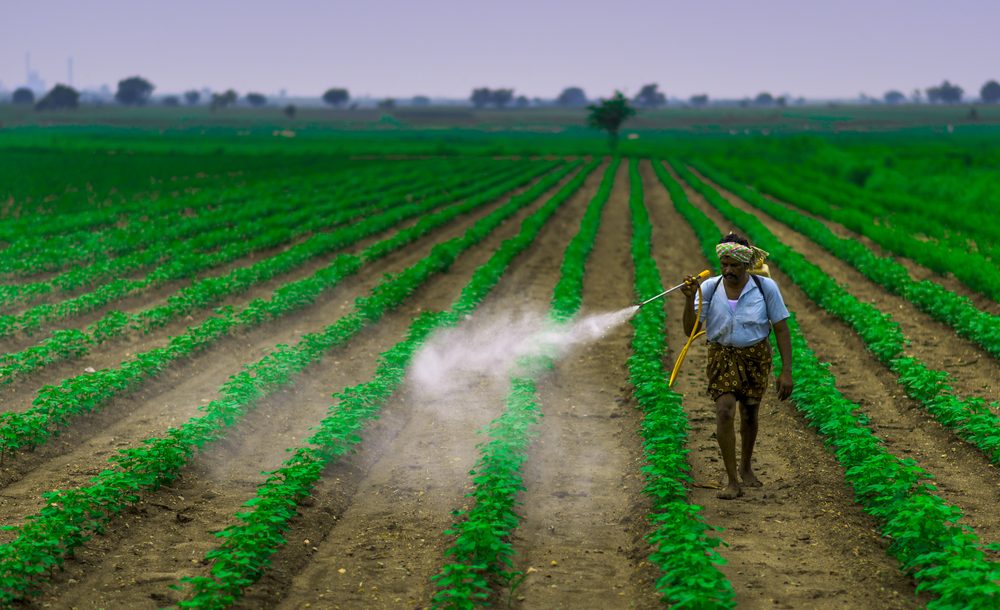

NEW DELHI: The latest agriculture reforms introduced in India propose to increase the prices farmers get for their output by giving them flexibility to sell, with governments continuing to support a base minimum thorough the minimum support price (MSP) within the extant system. PM Narendra Modi said that the farm reforms will help bring down barriers between agriculture and associated sectors, creating new markets for farmers.
- Key Provisions of Three laws
- Here are some key provisions these laws offer.
The Essential Commodities (Amendment) Act, 2020. This law aims to ease excessive controls over the production and distribution of agricultural commodities. It brings an ancient 20th ancient law, the Essential Commodities Act, 1955, in tune with 21st century realities, flexibilities and aspirations. The law aims to deregulate cereals, pulses, potato, onions, edible oilseeds and oils that will come into effect “only under extraordinary circumstances which may include war, famine, extraordinary price rise and natural calamity of grave nature”. These circumstances have been specified — 100 percent increase in the retail price of horticultural produce, or 50 percent increase in the retail price of non-perishables. The time period has been specified — the prevailing price over the preceding 12 months or average retail price over the preceding five years. Given the wastage of food produce, this amendment paves the way for cold chain infrastructure to come up. It enables food storage and hurts none.
The Farmers’ Produce Trade and Commerce (Promotion and Facilitation) Act, 2020. This law beaks the monopsony of Agriculture Produce Marketing Committees (APMC), overseen by state governments, and enables farmers to sell their produce to entities other than APMC — it does not exclude APMCs — and prevents state governments from levying any market fee, cess or levy outside APMC areas. Further, it prevents state governments from levying “market fee or cess or levy, by whatever name called” on any farmer, trader or electronic trading and transaction platform. It also sets up a dispute resolution mechanism. Agriculture is a state subject under the Constitution; but food is a national market. This law enables farmers to access that market while remaining within the Constitutional confines of Union-State relations. A new enabling law has been enacted, granting greater flexibility but changes nothing else, hurts no farmer.
Read More
- UAE residents receive missile alert as air defences respond to threat
- Massive fuel depot fire in Iraq injures around 30, burns 3 million litres of gasoline
- Pakistan Supreme Court orders former Prime Minister Imran Khan to be moved to the hospital over health concerns
- Wildfire crisis deepens across Europe as France launches €12mn aid plan
- Indians in Qatar can now send funds directly to UPI-enabled bank accounts in India through Qatar Post outlets
The Farmers (Empowerment and Protection) Agreement on Price Assurance and Farm Services Bill, 2020. This law flows in a logical progression from the one above. It creates a legal framework of agreements within which farmers can engage with companies and wholesalers that buy in bulk and sell further. The law aims to write into these agreements pricing, transparency, payment mechanisms and manner of delivery. It places compliances on quality and standards — a power held by the middlemen in APMCs and to which the small farmer has no questioning recourse. At worst, competition between APMCs and companies will ensure a better price to the small farmer. In addition, as protection to small farmers, it prohibits acquiring ownership rights of farmers at any cost. It links the agreements with financial instruments like insurance and credit. Finally, it creates a dispute settlement mechanism, including an appellant authority.
- Focus on farmers
Although procurement from farmers by the Food Corporation of India (FCI) under the MSP will continue as it is, the performance data is not encouraging. In the past 15 years (2003 and 2018), procurement by government agencies has been 26.8 percent for wheat (procurement of 359 million tonnes versus production of 1,340 million tonnes) and 31.3 percent for rice (procurement of 488 million tonnes, production of 1,558 million tonnes). The surplus is purchased by moneylenders and traders at very low prices. The moneylender and traders buy independently or work as an agent of a bigger merchant of the nearby market. Clearly, the balance of power is against small farmers.
The same story plays out in horticulture. In the picturesque hills of Uttarakhand, for instance, small farmers leave their produce on the road in two to eight wooden boxes. The boxes lie there until a small truck from one of the traders at the APMC in Haldwani drives past and picks it up. The farmer can see the price on his phone. But the traders pays less than the market price. His tools of price cuts are size of the peaches or the extent of ripeness, all as per his decision, which is opaque. The farmer has no recourse but to accept the price. With the change in laws, and competition between middlemen and companies, the small farmer will definitely get a chance at higher price.
APMCs are not doing what they were supposed to; they are not working in the interest of farmers. Their monopsony status has entitled the worst practices — limited numbers of traders, reducing competition, cartelisation of traders, undue deduction in the name of market fee, or commission charges. On the last, while the fees and charges are legally to be levied on traders, the cost is transferred to farmers by deducting the amount from their net proceeds. In some states, these fees are levied even when sale of agriculture produce takes place outside the market yard. These reforms could bring economic justice to small farmers.
- Embrace prosperity economics
Agriculture accounts for more than 40% of the total people employed in India and it is imperative that sound reforms are brought in to energize this vital sector of India’s economy. The government is committed to double the income of farmers and the latest reforms are designed to provide an impetus to this vital sector. As stated by PM Narendra Modi recently, “Agriculture and its related sectors such as agricultural infrastructure, food processing, storage, cold chains had seen walls between them. Now these walls are being removed. These reforms will give farmers new markets, advantages of technology, and help bring investments. It is my country’s farmers who will benefit the most from all this”.





