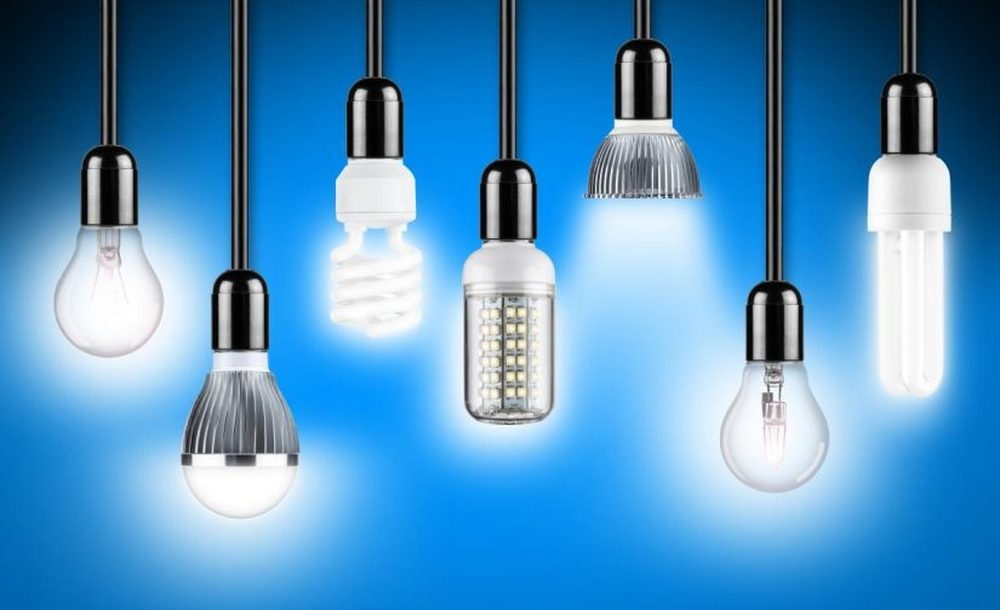

LONDON: A recent research study on light pollution in European countries has found that both humans and animals are at increased risk of adverse health consequences due to lack of sleep resulting from exposure to blue light radiation emitted in the streets from the increasing numbers of light emitting diodes (LEDs).
Scientists based in the United Kingdom used images from the International Space Station (ISS) to prove that white LEDs increased emissions in the blue part of the light spectrum.
The researchers at the University of Exeter in Penryn, the UK, wrote in the scientific journal Science Advances that switching to the use of LED lights on a large scale impairs the ability to sleep in humans and animals and reduces the benefit from it because blue light prevents the secretion of melatonin, the hormone which stimulates the body to sleep.
Read More
- Oman lays foundation stone for genome centre costing more than RO 4.2 million
- Nearly 60% of high blood pressure cases go undiagnosed, Oxford study finds
- ADHD: An emerging discussion on a shared disorder
- Matcha Mania: Is the green drink really as healthy as it seems?
- Oman marks World Health Day, highlights commitment to health innovation and digital transformation
Previous studies have also shown that lighting lamps at night has negative repercussions on the movement of bats and their feeding behavior and the use of LED lighting causes large numbers of stars not to be seen in cities and it also changes to a greater extent the movement of moths, and other insects that approach light sources or you avoid it.





