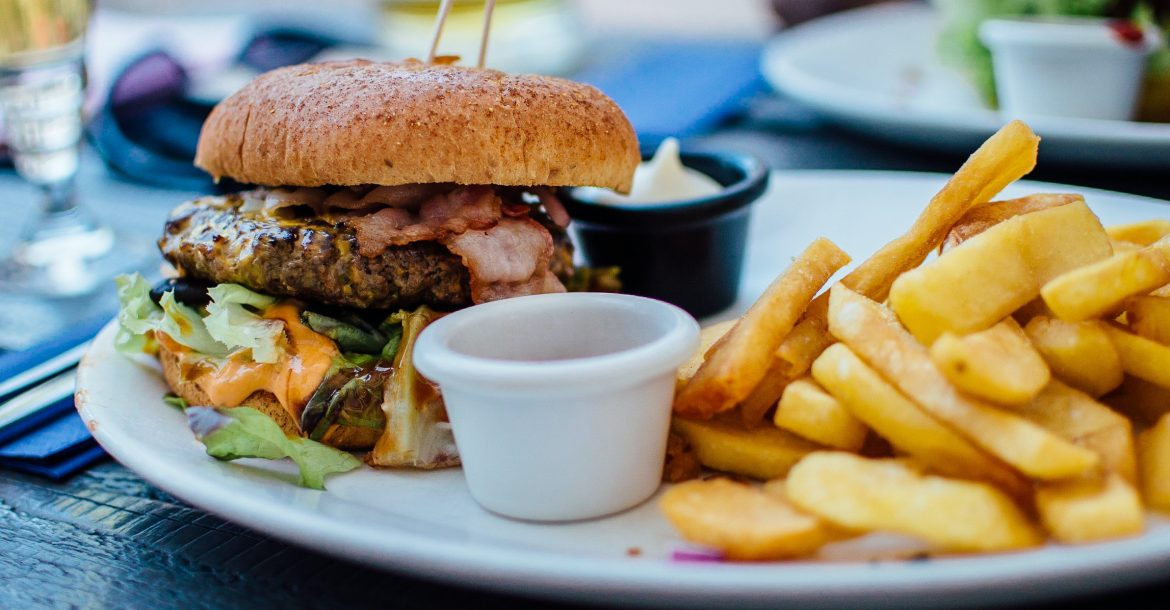

Everything that tastes good need not be good food. Everything that lures you with advertisement need not be great for health. But preaching does not work everywhere. Kids like foods that excite their taste-buds, because they are not concerned about its heath implications. On the other hand, since eating out has become the order of the day, even the elders promote such unhealthy habits, directly or indirectly.
From starters to desserts, we have a long list of processed foods. Pizza, burger, noodles, coke, and much more. When kids demand it, and the parents also love to devour it, health concern becomes the ‘junk’ and eating for the sake of your taste buds rather than your health gains importance.
Wherever you travel, the young ‘couch potatoes’ are a common sight nowadays, irrespective of the economic profile of the people.
Read More
- What Shakespeare knew about economics before economists did
- Respect is earned, not expected: Rethinking the teacher-student relationship
- Never underestimate a woman who enjoys her own company
- Rethinking schooling in the age of Artificial Intelligence
- Reeling from endless social media content? Pause the doomscroll, rewind to screen-free time
Recently, the Food Safety and Standards Authority of India (FSSAI) had banned sale of junk foods to students, and it said the food articles that are high in saturated fats or trans-fats or with added sugar or sodium will be off the menu in school canteens and other educational institutions. Of course it is a welcome move, though it will not fully prevent the sales and consumption of junk foods.
What is a junk food? Junk is something considered useless or of little value. Though legislations and such orders by the authorities can prevent the use of junk foods, it is the duty of the parents to instill healthy food habit among them.
Of course, junk food can be tempting for many reasons. Easy to consume, tastier compared to the ‘bland’ homemade foods, and appear more appetizing. However, regularly consuming fattening junk food can be addictive for children and it is said to be the dangerous precursor of complications like obesity, chronic illness, low self-esteem and even depression.
Healthy eating habits begin at home. If the parents introduce healthy snacks to the children and avoid introducing junk it will naturally make them healthy. Even the children can be safely made part of cooking and also trained to take limited food in the plate and eat everything thus improving their social behaviour. This way they will have better health. If the parents openly express their dislike to certain foods, it would create the same habit among children as well. Instead of feeding them only those foods they like, we should inspire them to eat a variety of foods. Also, do not let kids watch TV or mobile phone while eating. Also the parents should make sure the children have sufficient physical exercise.
When junk food leads to unhealthy weight gain, the child might feel low self-esteem and this in turn could lead to issues like depression. Among girls it can also lead to serious complications in the later stage.
In many developed nations including the GCC countries, obesity among children is a matter of concern and this affects this health in different levels. Problems associated with metabolism are also high among such children and packed juice, chips, other fried items and even processed meat products add to it. On the other hand, the parents send the obese kids to the gyms, which ultimately reduce their outdoor game activity as well and this leads to deformities in their social life.
WHO says that childhood obesity is one of the most serious global public health challenges of the 21st century, affecting every country in the world. According to a survey done in 2016, in just 40 years the number of school-age children and adolescents with obesity has risen more than 10-fold, from 11 million to 124 million.
Obesity has reached epidemic proportions globally, with at least 2.8 million people dying each year as a result of being overweight or obese. Once associated with high-income countries, obesity is now also prevalent in low- and middle-income countries, says WHO, which ads that worldwide obesity has nearly tripled since 1975.
Added to this is the addiction to the video games and TV programmes which again hamper their physical movement. A child might sit hours before the TV, eating junk food, and hence the ban of such things should begin at home.
It is a fact that food habits and social behavior are interconnected. Those who are addicted to such foods, and also the cellphone, are less likely to have interest in physical activities and engagements like farming. It means the change in food habits plays a major role in the behavioural pattern of a child.
If the schools decide to say a big no to junk foods and the kitchens at home also take the same decision, the menace of junk food can be overcome and bring the children to a healthy lifestyle. Along with this, they should also ban the use of plastic plates and glasses in canteens to make the place more environmental-friendly.
Yes, obesity is preventable but the effort should begin from home. Once the elders decide to say ‘No’ to junk food and tactfully divert the young minds from that menace, the menace can be overcome effectively.
About the author: Reena Abdulrahman is the Chief Operating Officer of Alhind Travel and Tours for GCC and Africa. Reena has over 21 years of experience working with top airlines in the region.





