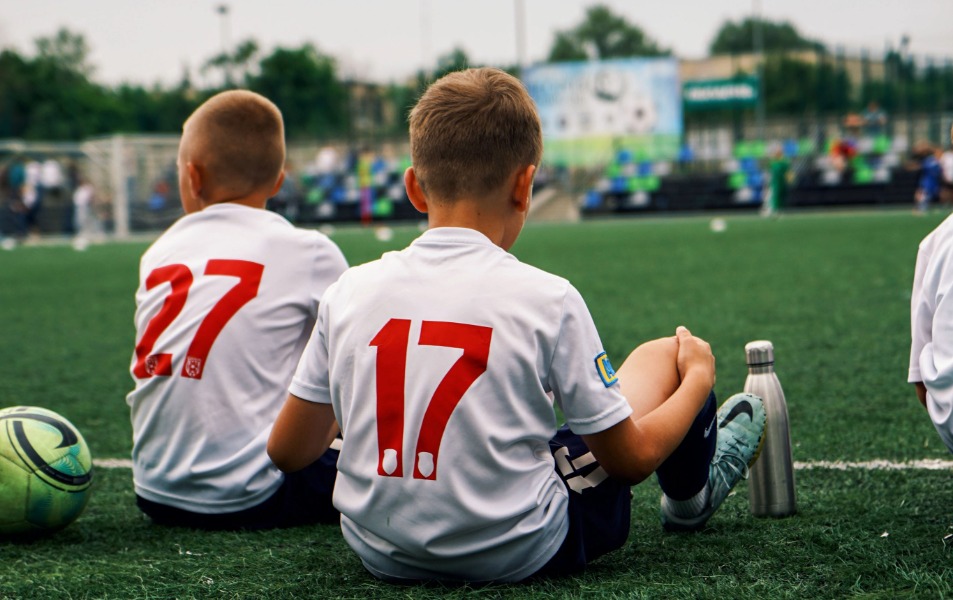

A child who misses a decisive shot has something difficult to learn: how to face disappointment, accept responsibility and try again. A teammate has a lesson to learn, too: how to offer support when blame might come more easily. These moments rarely appear on a scoreboard, yet they reveal much about the deeper value of sport.
We often discuss sport in terms of fitness, exercise and good health. These benefits matter. But for young people, participation can also shape habits, relationships and the way they respond to challenges. The playing field offers a practical education in patience, discipline and responsibility.
As a physical education teacher, I believe this broader contribution deserves greater recognition. When schools and families make room for sport, they give children opportunities to develop qualities that classroom instruction alone cannot fully nurture.
Read More
One persistent concern is that time spent playing takes time away from learning. Yet physical activity and academic effort can support each other. A break from the desk gives students a chance to move, release tension and return to their work feeling refreshed. Balancing practice with schoolwork also creates opportunities to learn how to organise time and honour commitments.
This does not mean that every young athlete will achieve higher grades. It means that we should question the assumption that education benefits when physical activity is pushed aside. Children need opportunities to exercise their bodies alongside their minds.
Sport also provides a welcome space for enjoyment and connection. Young people face expectations at school, pressures within their peer groups and the constant pull of digital devices. Playing a game draws their attention towards a shared activity and the people around them. For a while, they can concentrate on a pass, a rally or a finish line.
The pleasure of playing matters in itself. So does the sense of belonging that can develop through regular participation. A familiar team or training group can give a child a place to contribute, form friendships and feel valued.
Some of sport’s most useful lessons emerge when things go wrong. A player makes an error. A team loses after weeks of preparation. An opponent proves stronger. Such experiences can teach young people to examine their performance honestly and recognise what they can improve.
Accepting failure is difficult, particularly when success has become closely tied to self-worth. Sport offers repeated opportunities to understand that a disappointing result is something to work through. Learning to return to practice after a setback can be as valuable as learning how to win.
Team games bring another kind of education. Players must communicate, understand their roles and make decisions that affect others. Sometimes the best contribution is to pass the ball, support a teammate or carry out an unglamorous task reliably. Children begin to see how individual effort serves a shared purpose.
Leadership grows through these ordinary actions. It can be seen in the player who encourages someone struggling with confidence, listens carefully or remains composed under pressure. Young people learn that influence carries responsibility and that earning trust requires consistency.
Practice also makes the relationship between effort and progress visible. A skill that initially feels impossible may become manageable through patient repetition. Improvement is rarely immediate, and progress is not always steady. Learning to persist through that uncertainty helps children develop realistic expectations of themselves.
However, these benefits do not arise automatically. Adults help determine what children take from sport. When coaches and parents value only results, young players may become afraid of making mistakes or feel that participation matters only if they excel.
We should instead recognise effort, improvement, fair play and respect. Schools should create opportunities for children with different abilities and levels of confidence to participate meaningfully. A student should not have to be an outstanding athlete to experience the satisfaction of learning a skill or contributing to a team.
Our ambition must extend beyond producing successful competitors. We should want young people to enjoy movement, respect rules, treat others fairly and approach challenges with confidence.
Years later, a child may forget the final score. The habit of turning up, the courage to try again and the responsibility of being someone others can depend on may endure. Those are achievements worth making space for in every child’s education.
About the author
Ishwar S. Deshmukh is a senior physical education teacher at Indian School Salalah, an endurance walker and a columnist.





