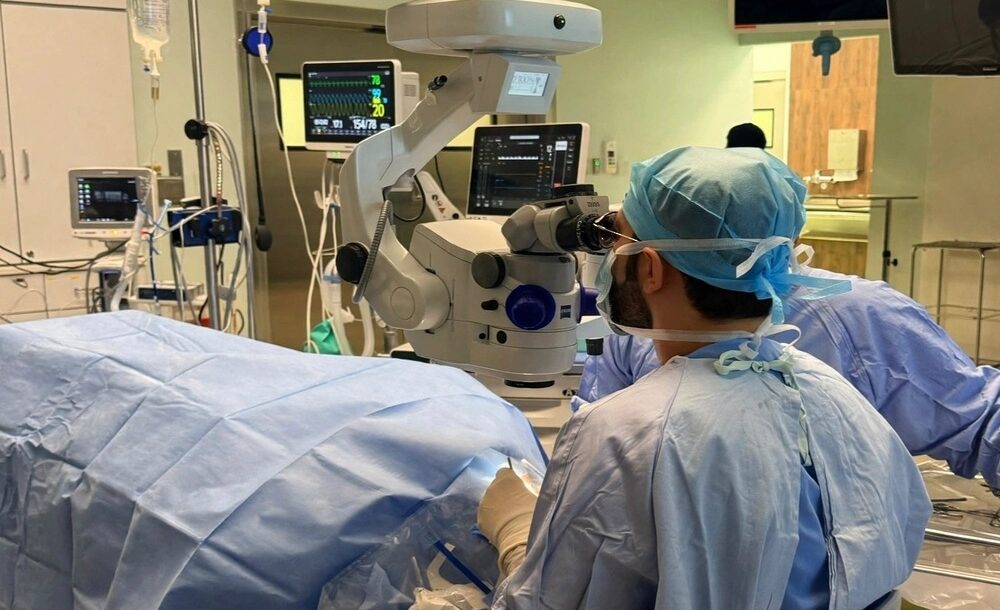

MUSCAT: The Ministry of Health stated that the number of operations exceeded 300 by the end of October 2026, marking significant progress in the development of specialised ophthalmology and eye surgery services in the Sultanate.
Dr Haitham bin Hilal Al Mahrouqi, Consultant in cataract, cornea and refractive surgery at Al Nahdha Hospital, told the Oman News Agency (ONA) that the programme was designed to establish a sustainable system through cooperation with international corneal banks and the Omani Centre for Organ and Tissue Donation and Transplantation.
The programme also involves several hospitals across Oman in providing the specialised service, expanding access to treatment for patients.
Dr Al Mahrouqi said surpassing 300 operations reflected the progress achieved in this field, noting that Oman had not recorded comparable numbers of corneal transplants before the programme was restarted.
He added that the programme had introduced advanced partial corneal transplant techniques and expanded the range of services available to patients.
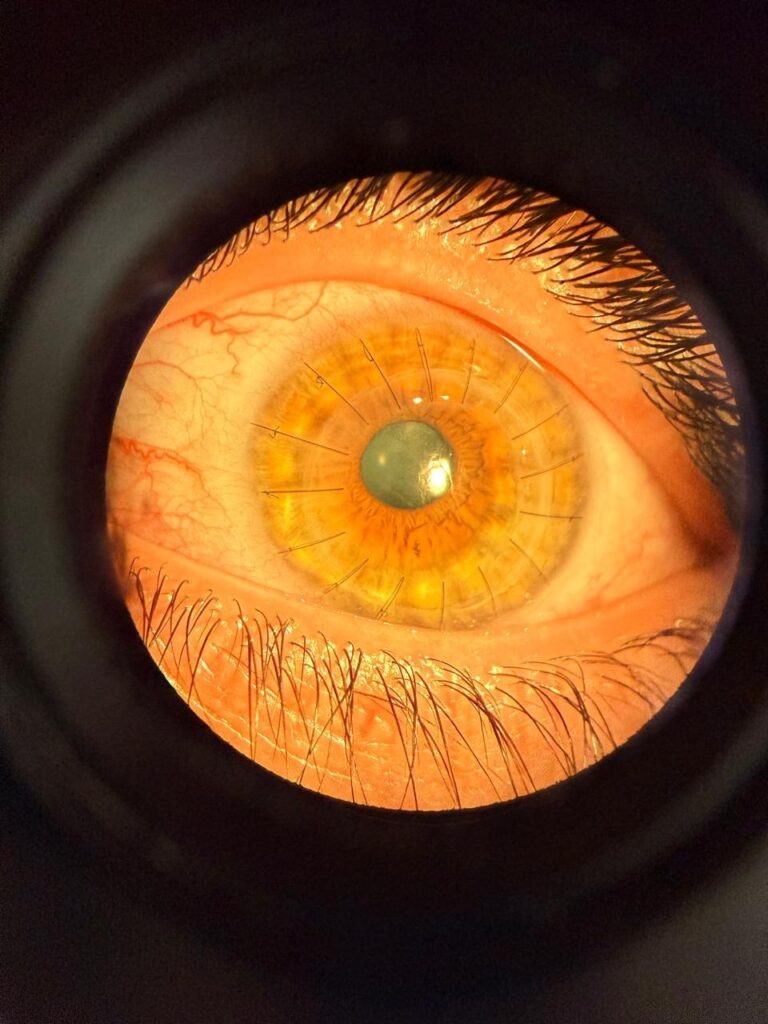
Corneal transplants are classified into full and partial procedures, with partial transplants involving three types of techniques that have all been localised in Oman.
Some of these advanced procedures involve transplanting an extremely thin layer of the cornea, measuring no more than approximately 20 microns, reflecting the technological advances in specialised eye care services.
The programme is now working towards establishing a national cornea bank in Oman, making use of the existing human organ and tissue donation system.
Dr Al Mahrouqi explained that the initiative would allow corneas donated after death to be collected, preserved according to medical requirements and made available to patients in need under approved standards.
He identified raising public awareness about organ and tissue donation, and building greater community acceptance of the practice, as key challenges in establishing the bank.
The Ministry of Health is working to address the operational requirements and provide the necessary equipment and supplies to make the facility operational.
He also expressed hope that the proposed cornea bank would be incorporated into the National Centre for Ophthalmology, established under royal directives, to support the development and integration of corneal transplant services within a specialised national system.
Localising corneal transplant services has significantly reduced the need for patients to travel overseas for treatment.
Dr Al Mahrouqi said Oman previously referred approximately 80 patients annually abroad for corneal transplant operations before the programme was restarted, placing additional financial and logistical burdens on patients and their families.
He pointed out that the service has been localised since 2023, and the Department of Treatment Abroad has not recorded any cases of referral for corneal transplantation during the past years.
He added that the programme aims to expand participation to include more government and private healthcare institutions, creating an integrated system that ensures the sustainability of the service and improves patients’ access to treatment.
The development of the corneal transplant programme and plans for a national cornea bank form part of the Ministry of Health’s wider efforts to expand specialised medical services, localise advanced treatments and strengthen the national healthcare system.
These initiatives are expected to improve access to specialised eye care while reducing the financial and treatment-related burdens on patients and their families.
Read More
- Oman’s healthy life expectancy hits 68.2 years, tops 2030 target
- Oman releases preliminary voter lists for 2026 Municipal Council elections with over 722,000 registered voters
- Oman e-commerce transactions rise 20.4% as ATM use declines
- A taste of home: Indian expats celebrate Diwali in Oman
- Muttrah Cable Car opens on November 8: Ticket prices and timings announced





