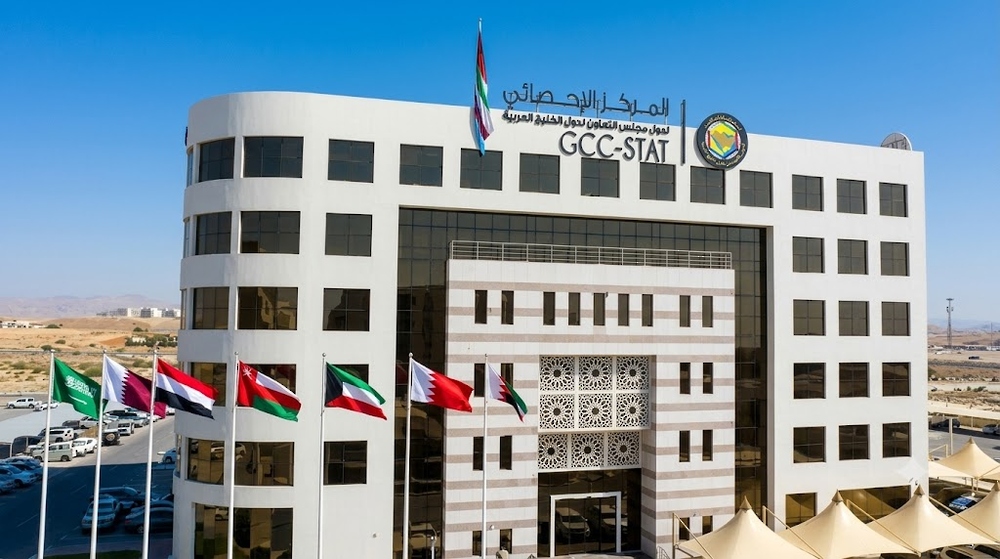

MUSCAT – The data was shared by the Statistical Centre for the Cooperation Council for the Arab States of the Gulf, covering figures up to July 2026.
The manufacturing sector contributed about 13 percent of the GCC’s gross domestic product (GDP) in 2025, highlighting its role in supporting economic growth, diversifying national economies and increasing the contribution of non-oil activities.
Around 40 percent of industrial investments are concentrated in key industries, including plastics, refined petroleum products, aluminium, gas fuels, and iron and steel. These sectors provide a foundation for manufacturing and intermediate industries while supporting integration across industrial value chains.
Read More
- Oman businesses record 31.2% growth in value added as Q2 GDP reaches RO12.9 billion
- Oman’s foreign direct investment rises 6.4% to RO32.2 billion at end of Q2
- Economic activity expands across Oman’s Dhofar Governorate with over 1700 commercial registrations
- Oil prices may ease to USD 80 per barrel in 2027 as Middle East supply recovers: Goldman Sachs
- A taste of Britain comes to Oman! LuLu British Food Week serves up a feast of flavors
Industrial products account for approximately 69 percent of total GCC exports. Major export categories include petroleum gases and hydrocarbons, petroleum oils, cars, organic compounds, aluminium, ships and boats, and electrical machinery and equipment.
On the import side, China accounts for around 20 percent of the GCC’s total imports, making it the bloc’s largest source of imported goods. Key imports include machinery and equipment, cars, pharmaceutical products, iron and steel, and plastics, with the region maintaining a diverse network of suppliers.
The latest indicators highlight the scale and diversity of the GCC’s industrial base, although the size of industrial activity varies among member states in terms of investment and factory numbers.
Expanding production capacity, attracting investment and broadening access to international markets are strengthening industry’s role in economic development and the growth of regional production networks.
The figures also point to opportunities for deeper industrial integration among GCC countries, including localising value chains, diversifying economic activity and improving the competitiveness of Gulf-made products in regional and global markets.





