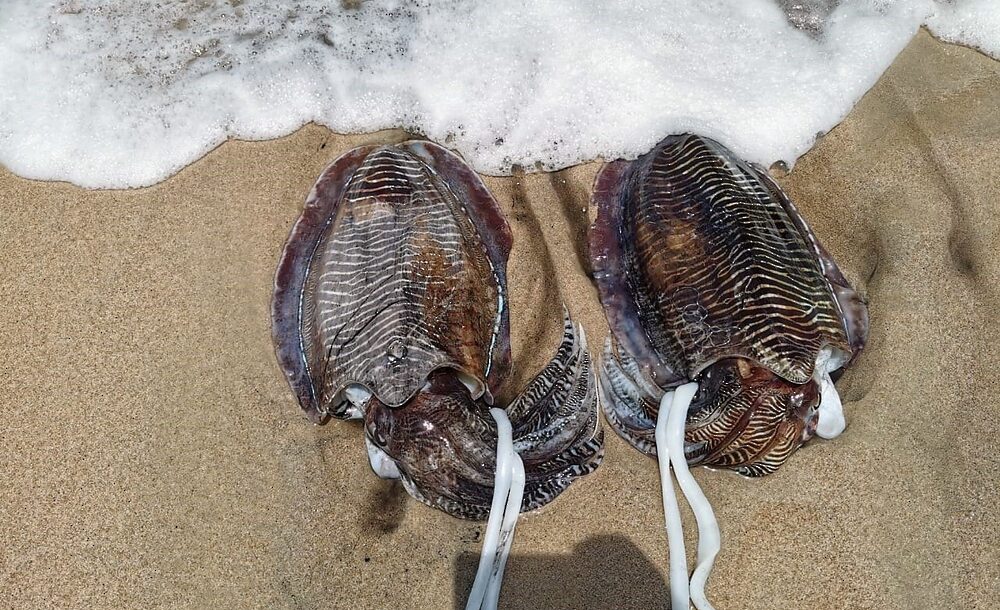

MUSCAT: Artisanal fishing accounted for the largest share, with 12,741 tons, followed by coastal fishing with 767 tons and commercial fishing with 504 tons. No squid production was recorded from aquaculture during the year.
At the governorate level, Al Wusta recorded the highest squid landings from artisanal fishing at 4,459 tons, followed by Dhofar with 4,258 tons and South Al Sharqiyah with 2,343 tons.
Artisanal squid landings in Al Batinah North and Al Batinah South totalled 1,441 tons, while Muscat recorded 155 tons and Musandam 92 tons.
Read More
- Oman Supreme Court rules on 5,803 cases, achieves 87% resolution rate
- Muscat represents Oman at UNESCO Global Learning Cities Academy 2026 in Shanghai
- Oman launches month-long national campaign to combat human trafficking
- Muscat Municipality steps up bridge maintenance to boost road safety
- Oman announces 803 preliminary candidates for municipal council elections
Oman’s squid exports in 2025 were valued at approximately RO 4.47 million, with a total export volume of 4,529 tons. The squid was exported to 19 countries.
Vietnam was the largest destination, receiving Omani squid worth approximately RO 2.12 million, followed by China at RO 588,930 and Malaysia at RO 394,670.
Meanwhile, Oman imported approximately RO 617,468 worth of squid in 2025, with a total volume of 484.5 tons.
Yemen was the largest source of squid imports, valued at RO 209,409, followed by China at RO 209,230 and the United Arab Emirates at RO 137,292.
The figures underline the significant contribution of artisanal fishing to squid landings in Oman and the continued presence of Omani squid in international markets, particularly in Asia.





