
MUSCAT: Selected as the GCC Tourism Capital for 2027, Jabal Akhdar is entering a new phase of economic growth driven by its unique natural, cultural, and agricultural heritage. A wave of new infrastructure projects and tourism investments aims to expand local development while boosting participation from private businesses, SMEs, and the community.
Data issued by the National Centre for Statistics and Information indicates that Jabal Akhdar attracted approximately 101,608 visitors during the first half of 2026, while the revenues of hotel establishments until the end of July of the same year amounted to approximately RO 7.8 million. The total number of guests at these establishments reached 44,365, with an occupancy rate of 32.1 percent.
His Excellency Sheikh Mahmoud bin Rashid Al Saadi, the Governor of Nizwa, who is in charge of running the affairs of the Al Dakhiliyah Governorate, confirmed that the selection of Jabal Akhdar as the capital of GCC tourism for the year 2027 represents an opportunity to enhance the Wilayat’s position on the Gulf tourism map, and to build on its natural, agricultural, cultural and heritage assets.
Read More
- Oman Chamber marks four years of private-sector initiatives, unveils new Muscat headquarters
- Oman’s Shinas Port handles over 2.3 million tonnes of cargo in H1 2026
- Royal Hospital implants Oman’s first CardioMEMS sensor to support heart failure care
- Oman records nearly 3,000 individual labour complaints in first half of 2026
- Oman opens registration for 2027 Hajj season for citizens, residents
Jabal Akhdar possesses diverse spectrum of tourist attractions, including mountains, moderate climate, agricultural diversity, heritage villages, aflaj (traditional irrigation systems), historical sites, mountain trails, and cultural and social heritage. This opens avenues for the development of rural, agricultural, environmental and adventure tourism.
According to Issa bin Saleh Al Subaihi, Director of the Small and Medium Enterprises Development Authority in Al Dakhiliyah Governorate, there are 246 small and medium enterprises in the Wilayat, in addition to 11 craftsmen and 44 craft registers. These SMEs can benefit from the growth of tourism activity in the areas of accommodation, hospitality, restaurants, cafes, transportation, activities and tourist experiences, in addition to marketing agricultural and craft products and organizing events and tourist programs.
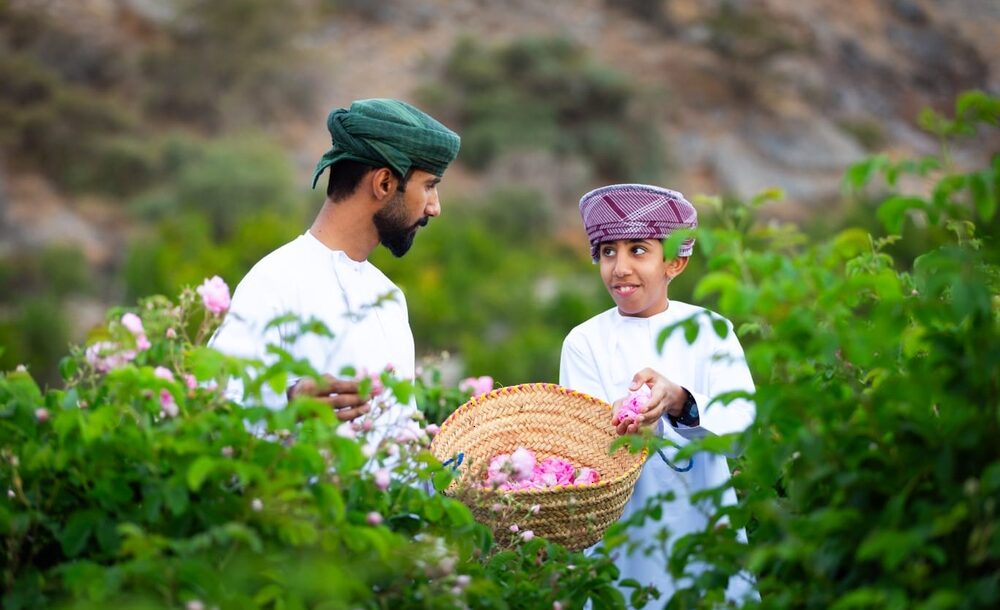
He added that agricultural activity constitutes one of the main components of the economic and tourism identity of the region, with a diversity of agricultural products and projects including pomegranates, olives, saffron, roses, aromatic plants, economic fruits and integrated agriculture. Currently, the number of agricultural investment projects amounts to 14 projects on a total area estimated at about 166 acres and with an investment value of RO 3.5 million.
The Wilayat is also witnessing the implementation of a package of development and service projects exceeding RO 5.7 million, including the development of the road network, improving the efficiency of public facilities, enhancing health and administrative services, in addition to tourism and investment projects related to the urban and tourism growth of the state.
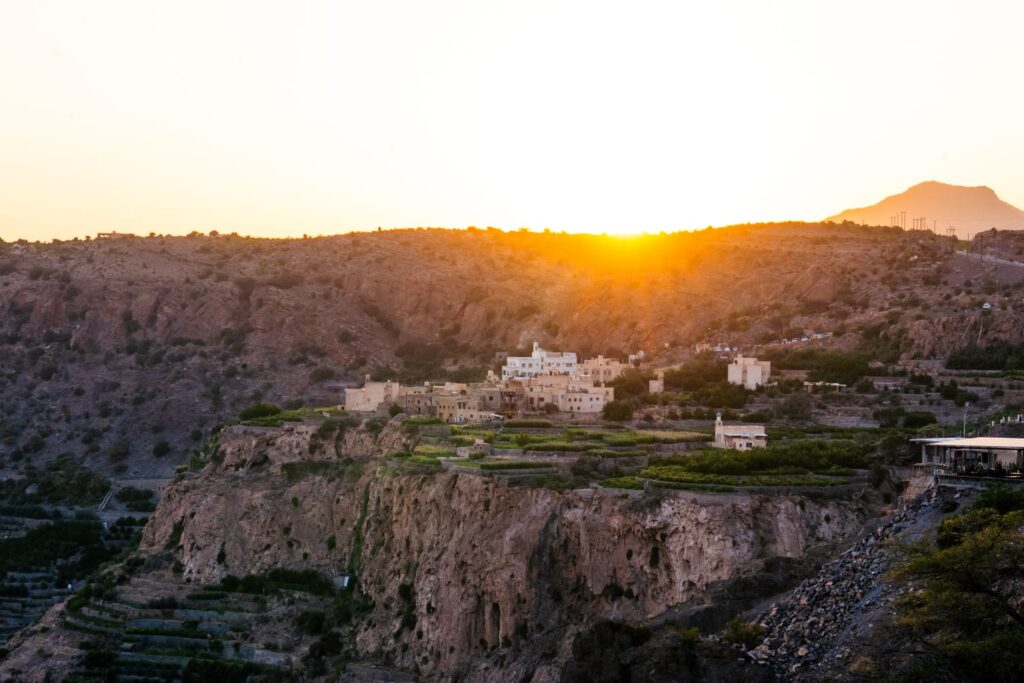
The works currently being implemented include consultancy services for the design of the dual carriageway and the development of the entrance to Jabal Akhdar – with a length of 5 km, and consultancy services for preparing a plan for an investment park, which has achieved a completion rate of 50 percent.
Investment projects in the Wilayat include the High Mountain project, with an estimated investment value of RO 1.2 billion. It will be built on an area of 11.8 square kilometres at an altitude of approximately 2,400 meters above sea level. It aims to create an integrated community capable of accommodating around 10,000 people, providing more than 2,500 residential units and 2,000 hotel rooms, in addition to tourist, recreational, cultural, and sports facilities.





