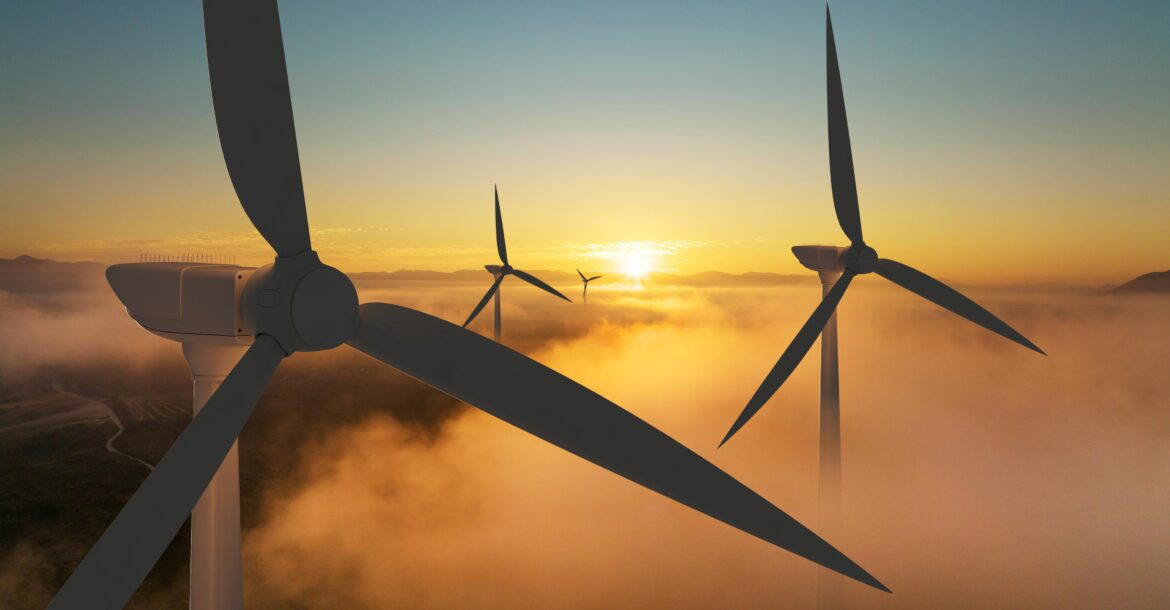

MUSCAT: The world’s largest onshore wind turbine installed outside mainland China has been erected at the Special Economic Zone at Duqm (SEZAD), marking a major milestone in the Sultanate’s renewable energy expansion.
The 9.6-megawatt turbine, installed by Omani state-backed integrated clean energy platform O-Green, features blades nearly 100 metres long and a 115-metre tower.
According to O-Green, the turbine will supply renewable electricity to Duqm’s expanding industrial ecosystem, including the nearby Mawarid wind turbine manufacturing facility.
Read More
- Oman plans new terminal at Sohar Airport, eyes flights to more destinations
- Oman-UAE rail link to begin trial operations in fourth quarter of 2027, Transport Minister says
- Young innovators at ABM lead the way in climate action at Oman Climate Week
- Bank Muscat continues to introduce employees’ children to future career opportunities in banking
- Total value of fish in Oman reaches RO 320.8 million by June 2026
Located near the OQ8 refinery, the turbine forms part of the Duqm City Renewable Energy initiative being developed through Naqaa Sustainable Energy, an O-Green subsidiary.
“For us, this turbine represents more than 9.6 MW of renewable generation. It represents the next stage of Oman’s energy transition: building renewable energy infrastructure while localising the technology and industrial capability behind it,” O-Green said.
Omani contractors and specialists participated across the project, including engineering, site works, construction and the complex transportation and installation of the tower sections and blades.
The turbine platform has also been engineered to withstand the demanding operating conditions of the Gulf region, O-Green said.
The installation represents the single-turbine Duqm North component of the wider Duqm North and South Wind Project.
Together, the two developments will comprise six turbines with a combined capacity of 58 MW. Duqm South will account for the remaining five turbines and 48 MW of capacity.
Once operational, the projects are expected to generate around 190 GWh of electricity annually, supporting efforts to decarbonise industrial activity at SEZAD and strengthen the country’s emerging renewable energy manufacturing ecosystem.





