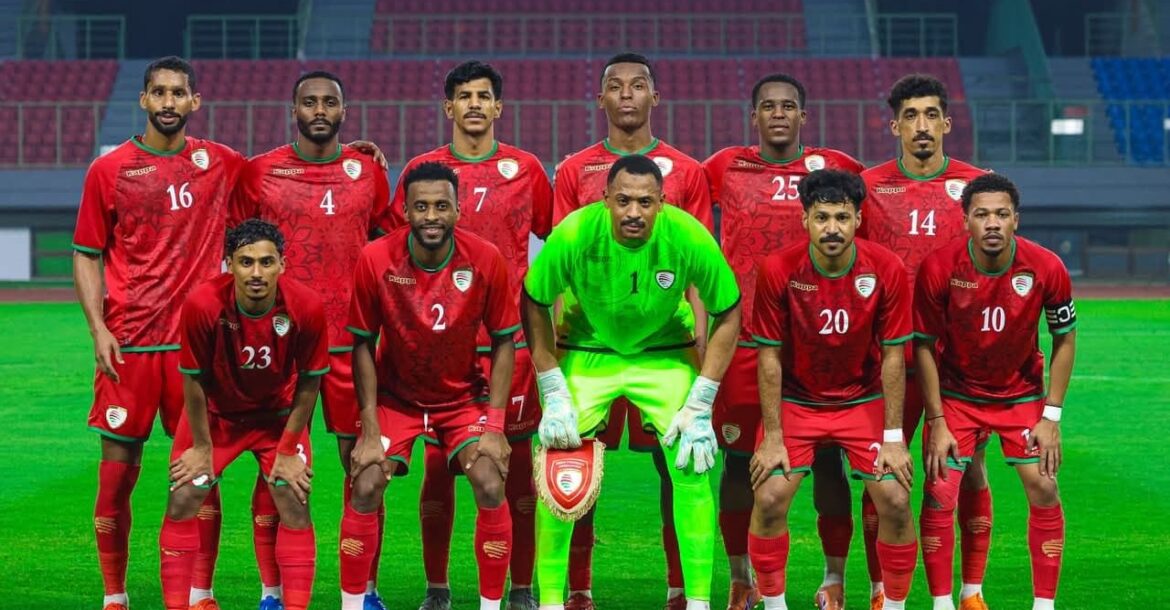

MUSCAT : Oman will head into the 27th Gulf Cup in Jeddah with ambitions of adding a third title to their record, as the national team prepares for one of the region’s most fiercely contested football tournaments.
The tournament, which begins on September 23 in Saudi Arabia, represents an important test for the Red Warriors and their new head coach Tarik Sektioui, with Oman hoping to build momentum ahead of the Asian Cup.
Oman have twice lifted the Gulf Cup, winning their maiden title on home soil in Muscat in 2009 before triumphing again in Kuwait in 2017.
Read More
- Oman national cricket team ready for first-ever Asian Games challenge
- Chaitanya Khimji’s winning formula: Building teams that keep challenging for Oman cricket honours
- Allan Border, Steve Waugh and other former Australia captains urge Aus Foreign Minister to raise concerns over Imran Khan’s detention
- Babar Azam turns to domestic cricket after 7 years amid prolonged Test form struggles
- Zverev wins first US Open title after four-set win
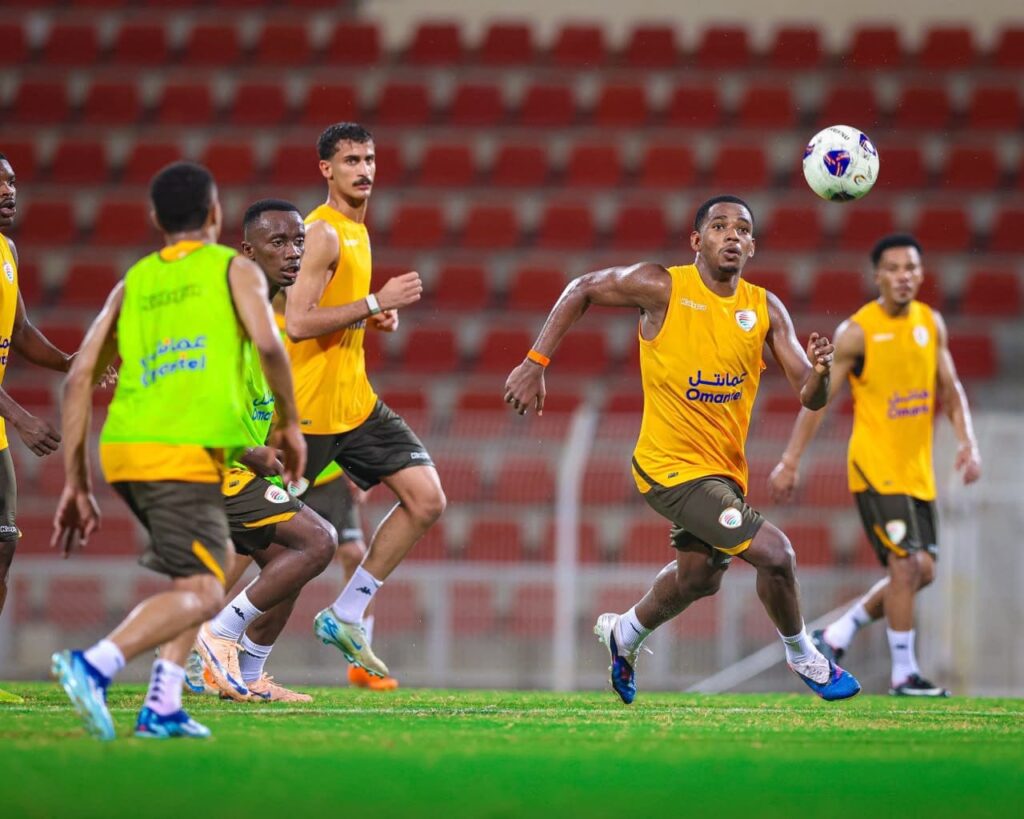
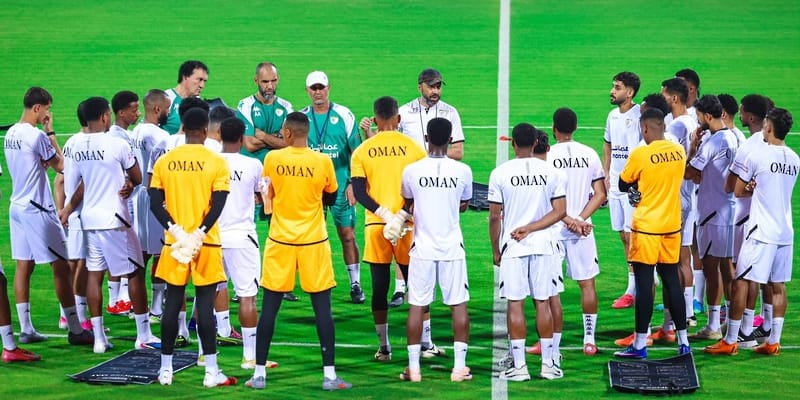
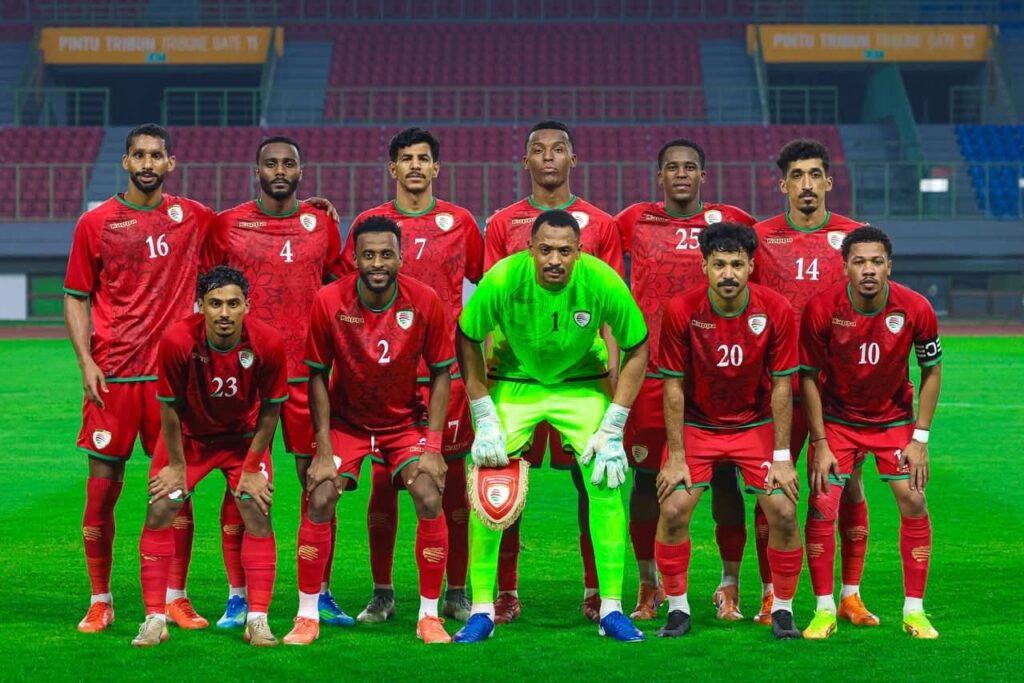
The national team will begin its Group A campaign against Iraq on September 23, before taking on hosts Saudi Arabia on September 26 and concluding the group stage against Kuwait on September 29.
Expectations remain high given Oman’s strong record in the competition. The Red Warriors have reached the Gulf Cup final six times and have regularly performed strongly since the tournament adopted the two-group format.
Media figure Khamis Al Balushi said the Gulf Cup remains a tournament of special importance for Oman and stressed that participating with the strongest possible squad was essential.
He said Oman had consistently produced good results in the competition and remained capable of challenging for the title, adding that the tournament could provide an important boost in confidence ahead of the Asian Cup.
Al Balushi also noted that the tournament will mark Sektioui’s first official competition in charge of Oman and could also be a first Gulf Cup experience for several members of the squad.
He said the national side had a good mix of experienced players and emerging talent, with senior players and those competing abroad carrying an important responsibility to lead the team through the pressures of tournament football.
Former Oman international Ismail Al Ajmi also described the tournament as a major challenge, particularly with a new technical staff still working to implement its ideas and playing philosophy.
He pointed to the limited number of friendly matches as one of the challenges facing the team, but said Oman’s experience in Gulf competitions and ability to cope with the atmosphere of the tournament could work in their favour.
National coach Nasser Al Hajri said preparation should not be judged only by physical fitness, but also by the team’s ability to execute its tactical ideas under pressure.
He stressed that success would depend on strong defensive organisation, attacking efficiency and the ability to make the most of chances, while maintaining consistency from one match to the next.
Al Hajri also highlighted the importance of blending experience with youth, saying senior players could provide calmness and leadership while younger players would bring energy, enthusiasm and hunger.
Sports journalist Ahmed Al Salmani said Oman appeared physically ready for the tournament but would have benefited from more high-level friendly matches.
He noted that the two friendlies against Indonesia and Mozambique may not have been enough for the coaching staff to fully assess the squad and implement a new playing style.
However, Al Salmani expressed optimism over Sektioui’s presence, describing him as a competitive coach with experience in managing tournament football.
He added that reading opponents well, managing matches effectively and dealing with small details could prove decisive in a short competition such as the Gulf Cup.
The tournament will also give Sektioui an opportunity to continue building a squad capable of competing strongly at the Asian Cup, while gradually introducing younger players alongside established names.
Oman’s final 26-man squad for Gulf Cup 27 includes goalkeepers Ibrahim Al Mukhaini, Ahmed Al Rawahi and Ibrahim Al Rajhi.
The remaining players are Harib Al Saadi, Khalid Al Buraiki, Abdulmajid Al Balushi, Mohsen Al Ghassani, Jamil Al Yahmadi, Ahmed Al Kaabi, Amjad Al Harthi, Abdullah Fawaz, Zaher Al Aghbari, Musab Al Shaqsi, Ghanem Al Habshi, Essam Al Subhi, Nasser Al Rawahi, Ahed Al Mashaikhi, Sultan Al Marzouq, Khalid Al Ghatrifi, Abdulhafiz Al Mukhaini, Turki Beit Rabee, Yousef Al Maliki, Hussein Al Shahri, Al Harith Al Mukhaini, Arshad Al Alawi and Waleed Al Musallami.
With three demanding group matches packed into seven days, squad depth, recovery and mental strength are expected to play a major role.





