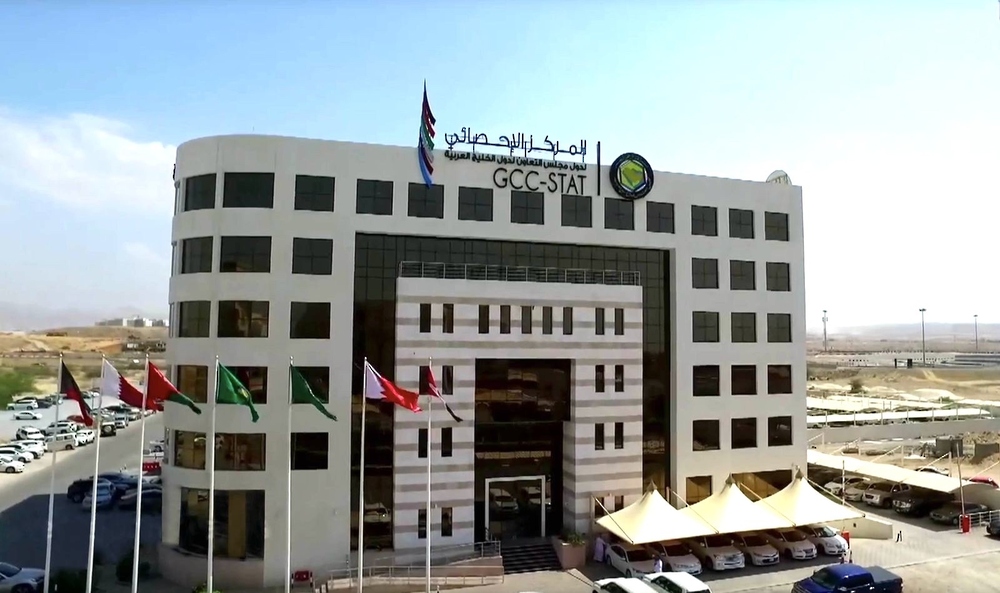

MUSCAT: The rate was slightly higher than the 1.6 percent recorded in 2024 but remained below 2 percent for the second consecutive year, reflecting continued price stability across the six GCC countries.
GCC inflation remained below rates recorded in emerging and developing economies, which stood at 5.3 percent, as well as the global average of 4.2 percent. It was also lower than inflation in Japan at 3.2 percent, the United States at 2.6 percent, the European Union and advanced economies at 2.5 percent each, and the eurozone at 2.1 percent.
Housing and miscellaneous goods and services were the main drivers of GCC inflation in 2025, together accounting for about 73 percent of overall inflation, according to the report.
Read More
- Youth are the pillar of Oman’s development and future, says minister
- His Majesty Sultan Haitham issues decrees amending Council of Oman, Shura election laws
- Oman advances nine places in 2026 Global Marsh Pension Index
- Oman moves to ensure essential goods supply, price stability as CPA meets retailers
- 13 expats arrested for gambling in Muscat
Among the main consumer price groups, miscellaneous goods and services recorded the highest inflation rate at 5.4 percent, followed by housing at 4 percent and culture and entertainment at 2 percent.
Restaurants and hotels recorded inflation of 1.6 percent, while food and beverages rose by 1.2 percent and education by 1 percent. Tobacco prices increased by 0.6 percent, while clothing and footwear rose by 0.4 percent.
Health, communications and furniture prices remained unchanged, while transport prices declined by 0.2 percent.
The report showed that GCC inflation has moderated significantly since reaching a peak in 2022. The rate rose from 1.5 percent in 2020 to 2.4 percent in 2021 and 3.2 percent in 2022, before declining to 2.3 percent in 2023 and 1.6 percent in 2024, followed by a modest increase to 1.8 percent in 2025.
The figures indicate relative price stability in the GCC despite developments in global markets and continued external inflationary pressures.
Among the GCC’s major trading partners, Brazil recorded the highest inflation rate at 5 percent, followed by the United Kingdom at 3.9 percent, Japan at 3.2 percent, India at 2.8 percent and the United States at 2.6 percent.
Germany recorded inflation of 2.2 percent, South Korea 2.1 percent, Italy 1.5 percent and France 0.9 percent, while China recorded zero percent.
The report also noted that a 2.1 percent decline in global food and beverage prices helped ease imported inflationary pressures. However, a 15.2 percent increase in natural gas prices, along with geopolitical tensions, remained among the external risks requiring monitoring.
The report concluded that the convergence of inflation rates among GCC countries and their continued stability below 2 percent provide a favourable foundation for strengthening Gulf economic and monetary integration.
It added that contained inflation gives GCC countries greater fiscal space to pursue economic reforms and development spending, while highlighting the importance of harmonising statistical methodologies and strengthening policy readiness to address potential future external pressures.





