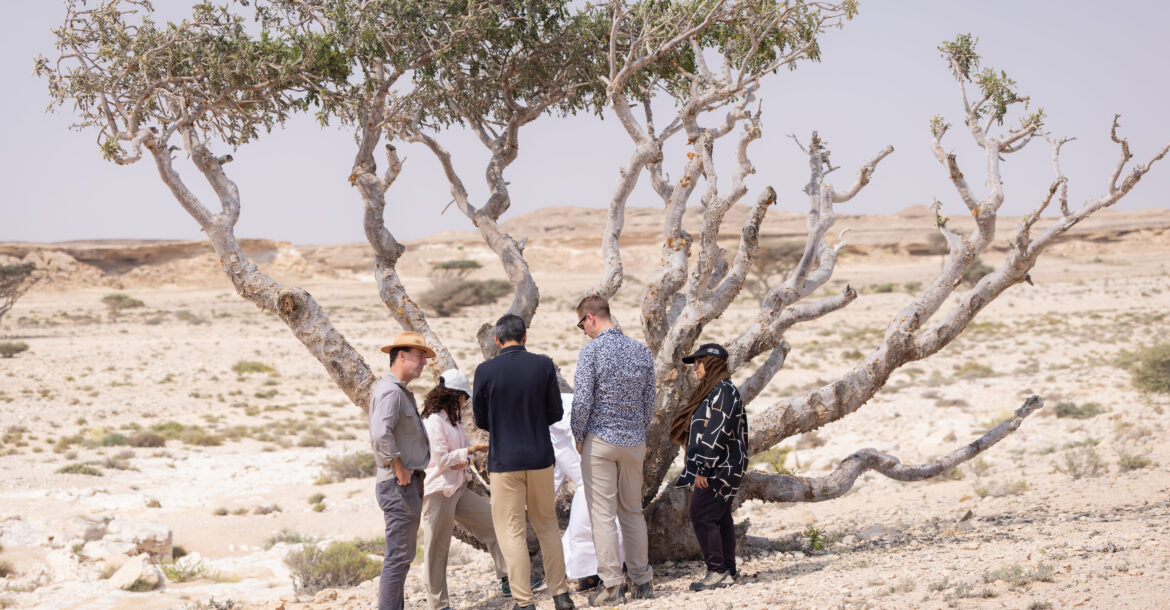

MUSCAT :The Environment Society of Oman (ESO) has completed a comprehensive baseline environmental assessment in Wadi Dawkah, Dhofar, revealing the significant ecological value of the UNESCO-listed frankincense site and its Boswellia sacra population. The assessment establishes an important scientific benchmark to guide future conservation planning, habitat management and biodiversity protection within one of Oman’s most culturally and environmentally significant sites.
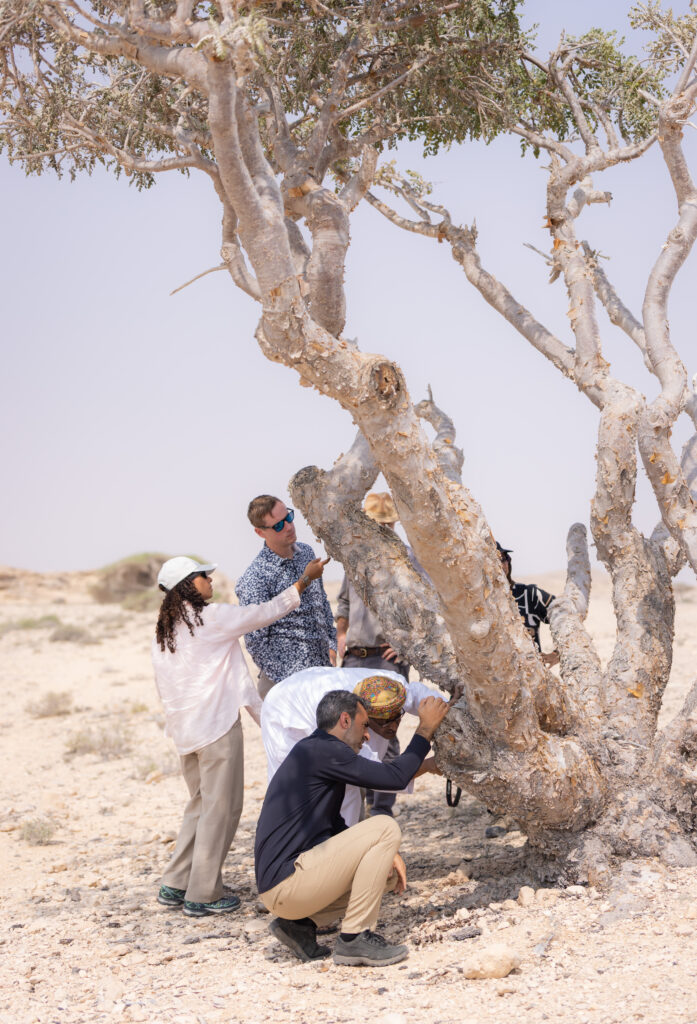
Funded by Amouage, the Omani High Perfumery House and custodian of Wadi Dawkah, the assessment was conducted by ESO in collaboration with FairSource Botanicals. The survey evaluated wild, plantation and transplanted frankincense trees, providing valuable insights into the health and long-term sustainability of the ecosystem.
Suaad Al Harthi, Executive Director of the Environment Society of Oman, said, “Omani Frankincense is one of the nation’s most treasured natural and cultural assets, recognised worldwide for its historical significance, medicinal properties and use in fine perfumery. Through ongoing scientific monitoring, ESO is working to better understand the health, genetics and ecological requirements of frankincense populations to support their long-term conservation. This latest assessment provides valuable evidence that will help guide future management of Wadi Dawkah while addressing emerging environmental pressures, including climate change, pests and habitat degradation. We thank Amouage for supporting this important initiative, which will help protect this unique ecosystem for future generations.”
Read More
- A taste of Britain comes to Oman! LuLu British Food Week serves up a feast of flavors
- Oman Cables breaks ground on new plant with investment exceeding RO 10 million
- Shariah-compliant United Omani Islamic Fund opens public subscription on October 18
- OQ8, Invest Oman to explore investment and business opportunities at Duqm Now forum
- Roberto’s Muscat welcomes Ilario Prospero as General Manager
Matthew Wright, Director of Natural Ingredient Platforms, Amouage, said: “Sustainability lies at the heart of Amouage’s philosophy, and responsible sourcing remains fundamental to our operations. Frankincense is not only an important ingredient in our creations but also a symbol of Oman’s natural heritage. Supporting this scientific assessment reflects our commitment to protecting the ecosystems that sustain this remarkable species. We are proud to partner with the Environment Society of Oman in generating knowledge that will contribute to the long-term conservation of Wadi Dawkah and one of the country’s most valuable natural resources.”
Environmental Significance
Located approximately 40 kilometres north of Salalah, Wadi Dawkah is a protected 1,500-hectare semi-desert valley and forms part of the UNESCO World Heritage property, Land of Frankincense. The reserve contains an important population of Boswellia sacra, together with a rich diversity of plants, birds, reptiles, mammals and arthropods. Its exceptional ecological and cultural significance makes Wadi Dawkah an important arid-land ecosystem in Oman and a valuable site for scientific research, biodiversity conservation and sustainable environmental management. The assessment methodology combined a review of the literature, field surveys for data collection and direct observations, mapping, and the deployment of four camera traps within the reserve for wildlife identification.
Frankincense Populations
The wild frankincense population within the reserve is presently showing early, tangible signs of recovery. Encouragingly, seedlings are also present for the first time since 2003. These are positive outcomes as a result of fencing leading to a reduction in grazing pressure. The results show that the wild trees are capable of recovery with continued protection and management. Given that mature frankincense trees can take between 50 and 100 years or longer to be naturally replaced, safeguarding existing mature trees remains a conservation priority.
Other Wildlife
Wadi Dawkah is home to a rich and diverse biotic community beyond its iconic frankincense trees. A diverse range of plant species have been identified, including several endemics to Dhofar, alongside a wide range of bird, reptile, mammal, and insect species. Forty-three bird species were observed, including the endangered Steppe Eagle, Sand Partridge, Lichtenstein’s Sandgrouse, Black-crowned Sparrow-Lark, Fan-tailed Raven, and Spotted Sandgrouse are particularly abundant. Six reptile species were documented, including high numbers of Carter’s Semaphore Gecko. Eight mammal species were recorded, with Cape Hares, Arabian Gazelles, and foxes commonly seen, alongside occasional Striped Hyenas, mongooses, and porcupines.
Conservation Management Plan
The assessment included a conservation action plan, which focuses on safeguarding and rebuilding the population of this threatened tree species. It sets five clear priorities including protecting remaining wild trees and enabling natural regeneration; adding healthy new seedlings; improving transplantation methods; restoring the condition of existing plantation trees; and testing low cost protection measures for the large number of trees growing outside the fenced reserve.
The assessment forms part of a wider, long-term effort to deepen understanding of Wadi Dawkah and strengthen the way the site is protected, managed and studied. By bringing together scientific research, conservation expertise and responsible custodianship, ESO and Amouage are helping establish a more informed and enduring approach to the future of Oman’s frankincense heritage.





