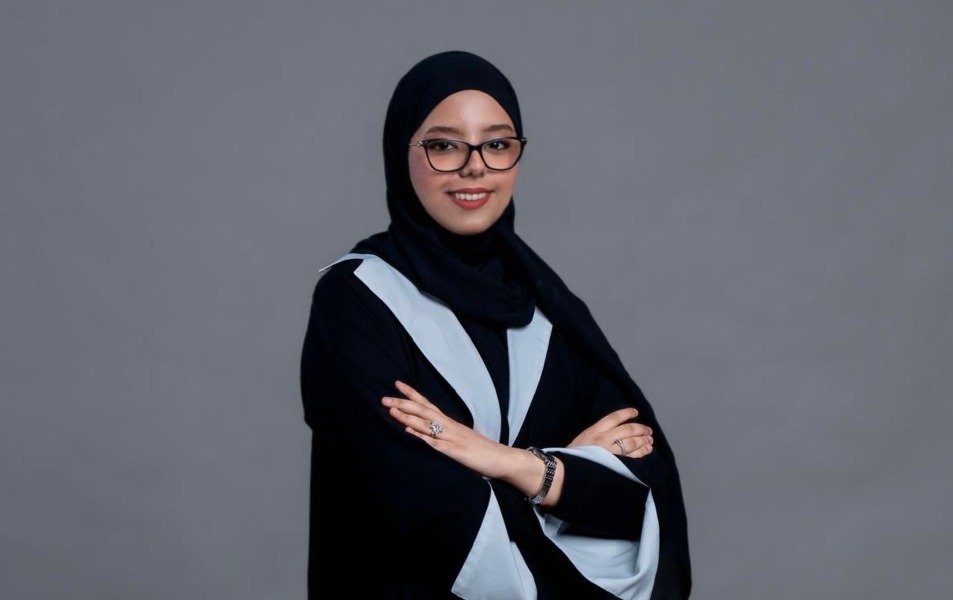

Duqm: Women have caught up with men in their use of AI chatbots. They have not yet caught up in how often they use them, how confident they feel or how much value they believe the technology brings to their work. That distinction will frame “Intelligent Machines”, the opening session of the 2026 Duqm Summer Series at Crowne Plaza Duqm, 7:30pm, Sunday 23 August.
The session brings together four Omani women working across computer science, data and intelligent systems: Dr. Fatima Al Raisi from the Department of Computer Science at Sultan Qaboos University; Amna Al Sinani of Future Data; Beylasan Al Ruzaiqi of Onsor and Dr. Aziza Al Zadjali of Star Labs.
Research published by Pew Research Center in June found that 47% of women now use AI chatbots, close to the 50% recorded among men. In 2024, women trailed men by 11 percentage points. Women have closed that gap in two years. The more interesting question is what they are doing with the technology now that they have access to it. Men remain more likely to use chatbots every day, at 27% compared with 20% of women. Among employed adults, 40% of men use them for work. For women, the figure is 35%.
Read More
- Oman eases upfront fee payments for business registration services
- Oman launches 13 investment opportunities worth OMR 122.8 million
- Oman wholesale and retail sector grows 5% to RO 1.735 billion
- Oman money supply jumps 28% as banking indicators strengthen
- HDFC Bank appoints Anup Bagchi as MD & CEO for three years; RBI gives approval
The widest difference concerns productivity. Thirty-five per cent of men believe chatbots make them more productive, compared with 25% of women. Confidence may help explain why. Only 15% of women describe themselves as very or extremely confident using chatbots. Twenty-two per cent of men say the same.
Using AI regularly gives people time to work out where it helps and where it falls short. They learn how to ask better questions and how to challenge an answer that does not look right. The benefit comes less from opening a chatbot than from knowing what to do with it. Without that confidence, equal adoption can conceal an unequal return.
Women also have greater reservations about the future of AI. Pew found 68% believe it is developing too quickly. Only 17% expect it to affect them positively over the next 20 years, while 33% expect a negative effect. Their hesitation should not be brushed aside as a lack of enthusiasm for technology. It raises legitimate questions about who is included when AI systems are designed and who has influence when they enter the workplace.
“AI is often presented to employees as something already decided. A new tool arrives with an expectation that people will adapt to it. Those expected to use the system may have had little say in the problem it was built to solve. Increasing the number of women using AI is only part of the work. Women also need the confidence to test it and the authority to question how it is used,” remarked Hanan Al Siyabi of the Special Economic Zone at Duqm and organizer of the Duqm Summer Series.
“Intelligent Machines” will bring that discussion to Duqm through the experiences of women already building careers in technology. The speakers will explore how AI is moving into physical machines and what its development could mean for Oman’s public and private sector. At the heart of the session will be a bigger question – how can women participate fully in the changes AI is bringing to work?
The session opens a three-evening program led entirely by Omani women. From 23 to 25 August, 12 speakers from business, government and academia will meet at Crowne Plaza Duqm to discuss AI, leadership and the commercial influence of culture. The Duqm Summer Series begins 7:30pm Sunday 23 August.





