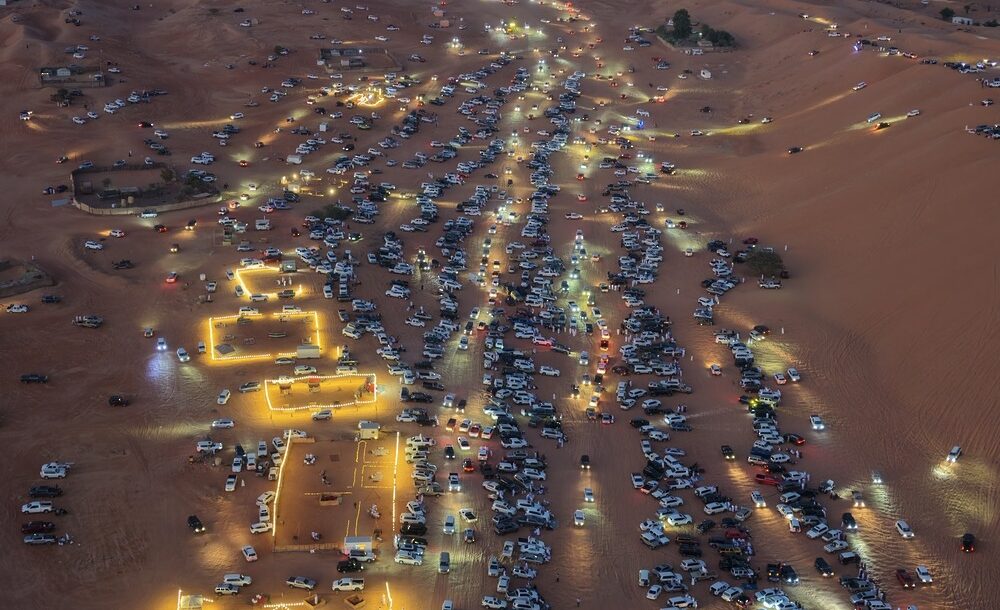

MUSCAT : Youth groups and desert adventure teams have increasingly adopted safety procedures, vehicle preparation standards and responsible driving practices to ensure safer trips while preserving Oman’s unique desert environment.
Abdullah bin Masoud Al Riyami, owner of Autofixer Workshop, said the four-wheel drive hobby in Oman has moved beyond sand driving and vehicle displays, with enthusiasts now placing greater emphasis on technical readiness and safety standards before embarking on desert journeys.
He said vehicle preparation includes checking suspension systems, steering, brakes and tyres, ensuring there are no mechanical issues, and equipping vehicles with approved recovery points, protective plates, suitable tyre pressure adjustments and other essential safety equipment.
Al Riyami added that organised desert groups have introduced strict requirements before trips, including comprehensive vehicle inspections, availability of rescue equipment and safety briefings for new participants. These measures have contributed to reducing breakdowns and accidents while making desert trips more structured and professional.
He highlighted the importance of carrying recovery equipment such as winches, approved towing ropes, sand ladders, air compressors and tyre repair tools, saying such equipment helps teams respond quickly to emergencies and carry out rescue operations safely.
Abdullah bin Hamoud Al Khanbashi, a desert adventure expert, said driving in desert environments requires specialised skills, including understanding sand conditions, selecting suitable routes, controlling speed and applying safe climbing and descending techniques.
He said GPS devices have become essential tools for route planning, location sharing and ensuring safe returns, while group travel remains a key safety practice. He recommended that desert trips involve at least three vehicles to ensure support in case of emergencies or vehicle breakdowns.
Al Khanbashi added that organised trips and competitions help strengthen cooperation among enthusiasts and encourage the exchange of knowledge and experience in desert driving.
Meanwhile, Asim bin Habibullah Al Shizawi, a member of the Fazaa Rescue Team, said desert driving groups have evolved into a voluntary support network focused on assisting people in remote areas.
He said the team’s work is based on social responsibility and the Omani value of al-faza’a (mutual assistance), with members using their own vehicles and equipment to respond to calls for help from citizens and residents.
Al Shizawi explained that the team relies on field experience, navigation tools, communication systems and digital coordination groups to organise rescue operations. Members use knowledge of desert terrain, sand conditions and changing landscapes to locate stranded travellers and provide assistance.
He added that the team works alongside relevant authorities by sharing coordinates and field information to support rescue efforts in difficult terrain.
Beyond safety, desert enthusiasts have also highlighted the importance of protecting Oman’s natural environment.
Najem bin Mohammed Al Jabri, a tour guide and desert camping enthusiast, stressed the need for responsible behaviour in desert areas, including avoiding littering, damaging vegetation, leaving fires unattended and driving outside designated routes.
He urged visitors to reduce tyre pressure when driving on sand to minimise environmental impact and avoid disturbing wildlife by camping too close to animal habitats or using excessive lights and noise.
Al Jabri said youth volunteer groups are also contributing to environmental protection by monitoring violations, supporting awareness campaigns and participating in initiatives to preserve biodiversity and combat desertification.
The growth of desert adventure activities has also created new opportunities for tourism and local businesses.
Al Salt bin Salem Al Khalili, a desert adventure content creator, said young Omanis have transformed their passion for desert trips into economic opportunities through tourism companies, vehicle workshops, camps, restaurants and other services supporting visitors.
He said desert gatherings and events have helped attract visitors to Oman’s natural landscapes while creating economic activity in villages and areas near tourist destinations.
Al Khalili noted that social media has become an important tool for promoting Oman’s tourism attractions, with digital creators showcasing desert landscapes and experiences to audiences locally and internationally.
Mohammed bin Abdullah Al Mundhiri, a desert adventurer and content creator, said digital platforms have helped highlight Oman’s desert destinations and encouraged visitors to explore the country’s diverse landscapes.
He said increased interest in desert tourism has supported local businesses, including restaurants, cafes, supply stores, camping services, vehicle rental providers and maintenance workshops.
Al Mundhiri stressed that continued growth in desert tourism requires stronger cooperation between government entities, private sector companies, event organisers and content creators through professionally organised events, improved infrastructure and wider promotion.
He added that investing in desert tourism supports local communities, strengthens Oman’s tourism identity and contributes to sustainable economic development.
For all the latest news from Oman and GCC, follow us on Twitter, Instagram and LinkedIn, like us on Facebook and subscribe to our YouTube page, which is updated daily.
Read More
- Oman-UK: From historical legacy to future partnership
- Oman to showcase climate achievements at COP31 in Türkiye
- Oman’s Health Ministry issues regulations for overseas premarital medical screening
- Oman targets wider export markets as dates and honey exhibition opens
- His Majesty Sultan Haitham arrives in UK for four-day state visit





