

MUSCAT : The session was chaired by His Excellency Sheikh Said bin Hamad Al Saadi, Deputy Chairman of the Shura Council, and focused on the regulations’ impact on employment, investment, private sector businesses and the labour market.
During a presentation, His Excellency Dr. Mahad bin Said Ba’awain, Minister of Labour, outlined the objectives of the ministerial decision, saying it forms part of the ministry’s efforts to develop the regulatory framework of the labour market and strengthen private sector compliance with national employment policies. He said the regulations aim to strike a balance between economic development and labour market sustainability.

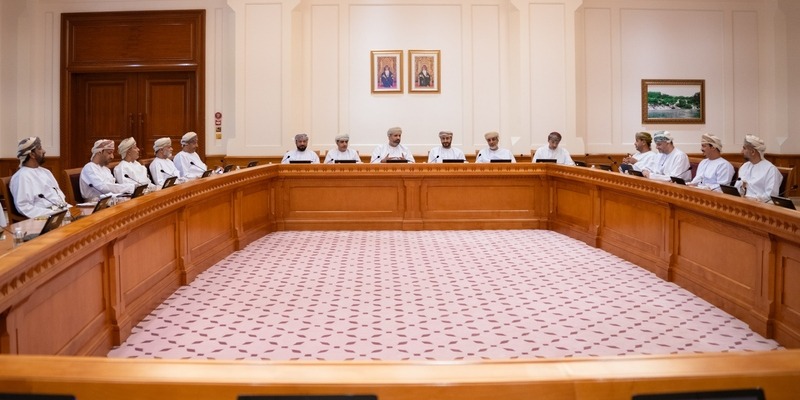
The minister said the decision is designed to support national employment targets by encouraging private sector establishments to create more job opportunities for Omani citizens. He added that the regulations include incentives and compliance measures, while allowing companies a transition period to align their operations with the new requirements.
His Excellency Dr. Ba’awain also said the Ministry of Labour had accompanied the implementation of the regulations with an integrated public awareness campaign, including publications, media interviews and press briefings, to familiarise employers, investors, expatriate workers and recruitment agencies with the new rules and their expected benefits for the labour market.
He presented preliminary indicators showing an increase in the number of companies meeting employment requirements, alongside continued growth in the number of new and active establishments entering the labour market.
The minister also responded to observations raised by the Shura Council’s Youth and Human Resources Committee on the legislative basis of the regulations, their impact on labour market governance, economic sustainability, national competitiveness, and the ministry’s mechanisms for monitoring and evaluating implementation.
Shura Council members raised several questions and proposals focusing on the economic and social implications of the regulations. Discussions centred on their impact on self-employment, small and medium enterprises (SMEs), and the effect of licensing fees on the financial sustainability of businesses.
Members also sought clarification on the methodology for calculating fees and penalties linked to Omanisation targets and whether the framework adequately considers the circumstances of SMEs.
The discussions further examined the rationale behind regulating the recruitment of certain nationalities, the impact on operating costs for businesses and entrepreneurs, and the need for policies that support private sector growth while reducing production costs to strengthen the competitiveness of the national economy.
Council members also discussed the expected impact of the regulations on various sectors, including their role in addressing labour market imbalances, reducing irregular employment practices, creating sustainable job opportunities for Omani job seekers, and influencing business costs, prices of goods and services, and the recruitment of expatriate workers.
The session concluded with discussions on balancing labour market regulation with economic growth by addressing the challenges facing private sector establishments, particularly SMEs, aligning workforce requirements with Omanisation goals, evaluating the effectiveness of incentives and penalties, and safeguarding Oman’s investment attractiveness and economic competitiveness.
For all the latest news from Oman and GCC, follow us on Twitter, Instagram and LinkedIn, like us on Facebook and subscribe to our YouTube page, which is updated daily.
Read More
- Al Mudhaibi Health Center in Oman to close permanently as services move to new complex
- Two arrested in Oman’s Al Dakhiliyah for series of vehicle and motorcycle thefts
- World Bank sees Oman’s economy holding firm with 3.1% growth amid regional conflict
- Oman, Italy sign MoU to enhance cooperation in areas of heritage, museums
- His Majesty Sultan Haitham, Dutch King discuss bilateral ties and regional developments





