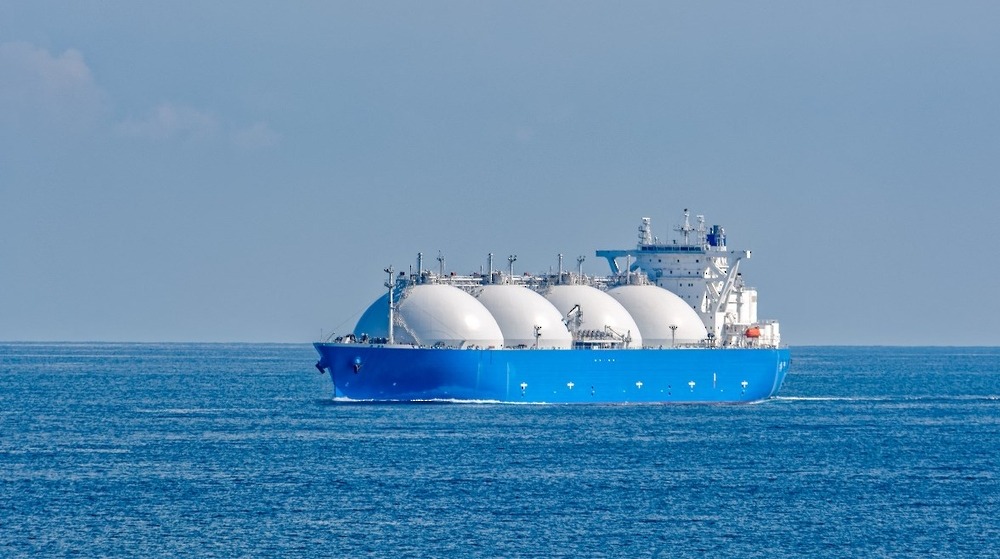

LONDON : Global LNG trade rose 6.3 per cent year-on-year to reach 436.98 million tonnes in 2025, marking the fastest pace of growth since 2022.
Europe recorded the biggest increase in LNG imports, with volumes rising by 26.1 million tonnes to 126.2 million tonnes. The surge came as countries moved to replenish gas storage levels and offset reduced Russian pipeline gas supplies.
The Asia-Pacific region remained the world’s largest LNG-importing market, bringing in 168.7 million tonnes during the year. However, the region’s total imports fell by 9.2 million tonnes, largely due to lower demand from China and India.
Read More
China retained its position as the world’s largest LNG importer, despite imports falling by 8.9 million tonnes from the previous year to 69.77 million tonnes. The decline was attributed to increased domestic gas production and higher pipeline gas imports from Russia.
Japan ranked second, importing 67.37 million tonnes of LNG, while South Korea increased its imports by 1.7 million tonnes to 48.67 million tonnes.
The report highlighted contrasting trends across Asia. While China reduced LNG purchases, falling production in parts of Southeast Asia increased reliance on spot-market LNG supplies. The IGU warned that prolonged high LNG prices could weaken demand growth in emerging economies, particularly in South and Southeast Asia.
On the export side, the United States remained the world’s largest LNG supplier, shipping 110.74 million tonnes in 2025. Qatar followed with about 81.51 million tonnes, while Australia exported around 80.32 million tonnes.
However, the report cautioned that the conflict in the Middle East could disrupt the market outlook in 2026.
International Gas Union President Andrea Steger said the conflict in the Gulf had damaged LNG infrastructure, raised concerns over future expansion projects in the region and created uncertainty for Asian buyers over supply flows and rising prices.
“The conflict in the Gulf has damaged LNG infrastructure, cast a shadow over the prospects for expansion projects in the region, and exposed Asian buyers to uncertainty regarding flows and rising prices,” Steger said.
The International Gas Union, which represents more than 130 member countries accounting for over 90 per cent of the global gas market, said the ongoing geopolitical risks could potentially lead to a contraction in global LNG trade this year.
For all the latest news from Oman and GCC, follow us on Twitter, Instagram and LinkedIn, like us on Facebook and subscribe to our YouTube page, which is updated daily.





