
WASHINGTON : In its report issued on Thursday in Dubai, the IMF projected a recovery in 2027, with the region’s economic output expected to grow by 6.6 percent. However, the forecast depends on tensions easing, the conflict gradually subsiding in early 2027 and trade returning to normal.
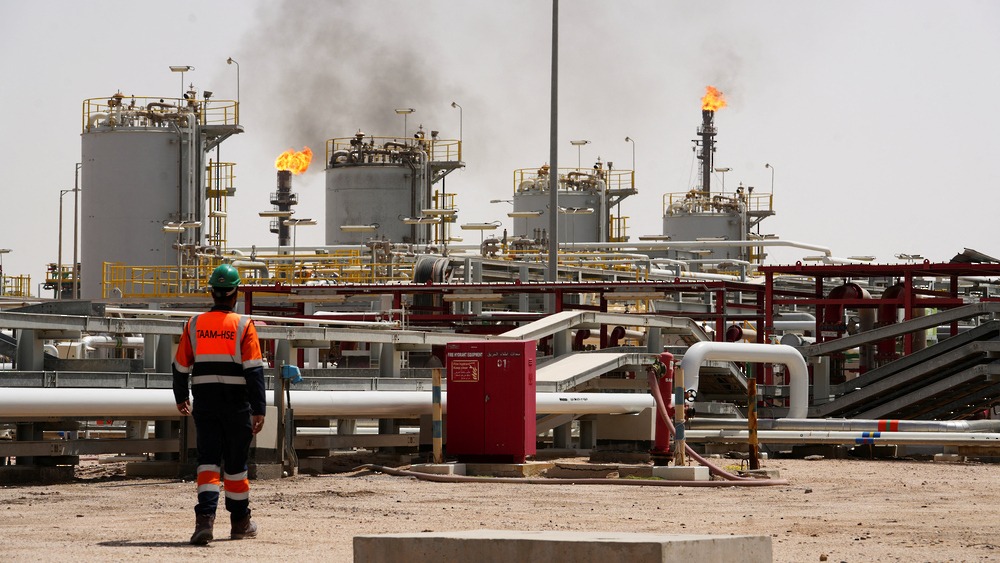
The fund said the economic impact of the war had been significant but uneven across the region, with oil-exporting economies more directly affected by disruptions to energy production and shipping, while oil-importing countries had demonstrated greater resilience.
In a statement outlining its key messages, the IMF warned that continued disruptions to energy production and trade routes could push energy prices higher and increase pressure on external financial conditions.
These pressures could intensify further if investors reassess productivity gains driven by artificial intelligence (AI) and interest rates continue to rise amid growing inflation concerns and tighter financial conditions.
The IMF noted that oil-importing economies had benefited from domestic demand supported by remittances and tourism flows, favourable financial conditions and swift policy responses aimed at shielding consumers from rising commodity prices.
Elsewhere, the fund projected that economic output in the Caucasus and Central Asia would grow by 5.2 percent in 2026 and 5 percent in 2027, pointing to a move towards a more sustainable pace of expansion.
The IMF reiterated its call for policymakers to prioritise price stability while maintaining fiscal sustainability and central bank independence. It also urged governments to implement structural reforms aimed at boosting productivity and creating jobs.
For all the latest news from Oman and GCC, follow us on Twitter, Instagram and LinkedIn, like us on Facebook and subscribe to our YouTube page, which is updated daily.





