

MUSCAT – Implemented in partnership with the Ministry of Agriculture, Fisheries and Water Resources, the programme aims to support farmers, encourage the expansion of wheat cultivation as a strategic crop, and strengthen the role of local production in enhancing food security.
The 2026 harvest season has seen strong participation from farmers in various governorates. Initial indicators suggest stable participation levels, a diversity of Omani wheat varieties, and an expected increase in procurement volumes compared with previous seasons, reflecting the programme’s continued growth and success.
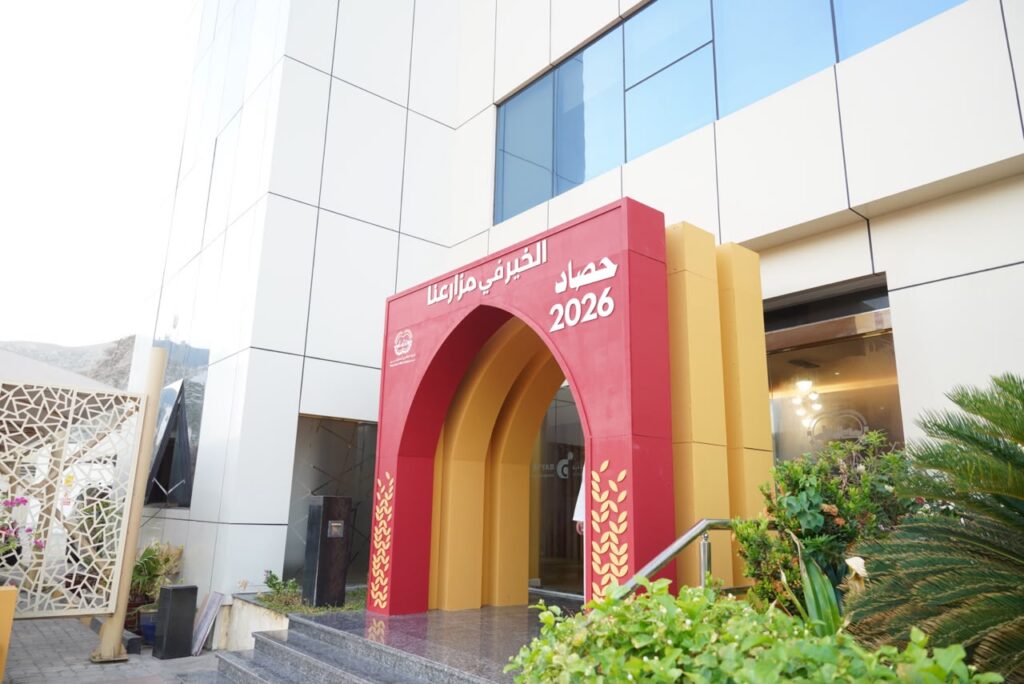
Haitham bin Mohammed Al Fannah, Chief Executive Officer of Oman Flour Mills Company, said the Omani Wheat Programme has become a successful national model for promoting food security and supporting farmers.
Read More
- Oman extends condolences to Pakistan after Islamabad hospital fire
- GCC history forum participants thank His Majesty Sultan Haitham for Oman’s warm hospitality
- His Majesty Sultan Haitham sends condolences to Nepal president over flood, landslide victims
- Oman records highest temperature of 46.2°C
- Heavy rain and hail lash Oman’s Al Buraimi, triggering wadi flows
He said the partnership between the ministry and the company has helped advance wheat cultivation in Oman by improving agricultural practices, enhancing production efficiency and encouraging farmers to expand cultivation. The initiative has also strengthened confidence among growers by providing a stable and reliable market for their produce.
Al Fannah added that Oman Flour Mills plays a key role in the value chain by receiving locally grown wheat and processing it into food products, thereby increasing local added value and supporting national food security goals.
Faisal bin Salem Al-Mashani, Director of the CEO’s Office at Oman Flour Mills Company, said the programme has contributed to building farmers’ confidence by providing a stable and organised marketing channel for their harvest.
He noted that the initiative has positively influenced production quality, increased procurement volumes over the years and enhanced farmers’ commitment to approved technical standards for cultivation, harvesting and supply.
The wheat procurement programme forms part of wider national efforts led by the Ministry of Agricultural, Fisheries and Water Resources to develop the wheat sector through farmer support, extension services and modern agricultural technologies, while Oman Flour Mills continues to process the crop into locally produced food products that contribute to economic growth and food security sustainability.





