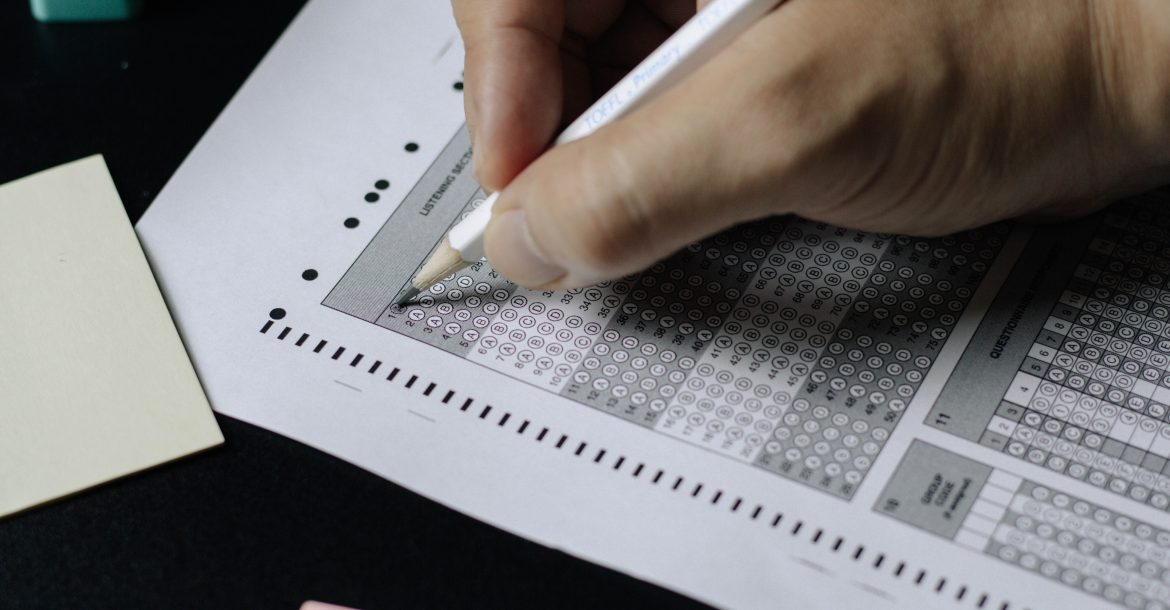

New Delhi: The National Eligibility cum Entrance Test (Undergraduate), or NEET-UG, is the gateway to medical colleges across India. Nearly 2.28 million candidates had originally taken the examination on May 3, but the test was later scrapped after allegations emerged that the question paper had been leaked.
The decision sparked widespread protests across the country, with students and parents demanding accountability and calling for the resignation of Education Minister Dharmendra Pradhan. Ahead of the rescheduled examination, Pradhan urged students to remain calm and confident, assuring them that they could take the test without fear.
To prevent any repeat of the controversy, authorities implemented extensive security measures at 5,440 examination centres nationwide. Candidates underwent biometric verification, frisking, and metal detector checks before entering examination halls. In some regions, the Indian Air Force was tasked with transporting question papers, while police and paramilitary forces were deployed across centres.
Read More
- IndiGo cancels Riyadh flights until October 31, 3 other Saudi routes until October 27 amid evolving security situation
- UAE closes all beaches in Umm Al Quwain after tanker oil spill detected
- Earthquake of Magnitude 7.0 Strikes Tibet; 16 Dead, 32 injured
- Nigeria reports first imported Ebola Bundibugyo case in Abuja: WHO
- US midterm voting begins in Texas as Democrats target historic gains
According to the National Testing Agency (NTA), more than 95,000 examination rooms were monitored by over 1.3 million security cameras. Additionally, 51,311 signal jammers were installed to block mobile phone communication and prevent electronic interference.
The agency also deployed nearly 39,000 frisking personnel, with around 40 to 50 security officers stationed at every examination centre. Students were advised to ignore rumours and fake paper leak messages circulating on social media.
Reports indicated that drones and dog squads were used to monitor the surroundings of some centres. Strict dress code regulations were also enforced, with enclosed footwear prohibited and certain accessories, including earrings, nose pins, and wrist threads, being removed before entry.
Despite the enhanced security, many students remained anxious. Several candidates expressed concerns about the credibility of the examination process, noting that allegations of paper leaks and irregularities have surfaced repeatedly in recent years.
The three-hour-and-fifteen-minute examination consists of 180 questions covering physics, chemistry, and biology. Given the intense competition for limited medical college seats, NEET remains one of India’s toughest entrance examinations.
The alleged paper leak case is currently being investigated by the Central Bureau of Investigation (CBI). The controversy follows a series of examination-related disputes in recent years, including allegations of fraud and irregularities in the 2024 NEET examination and complaints over marking errors in a Grade 12 examination earlier this year.





