
GENEVA : Held on the sidelines of the ongoing 79th World Health Assembly, which runs until May 23 in Geneva, the event brought together ministers, policymakers, international organizations, health experts, and participating countries to discuss the future of digital healthcare.
The session, titled “Accelerating Reliable Digital Transformation in Health: Enhancing Data Governance, Interoperability, and Responsible Governance of Artificial Intelligence for Universal Health Coverage,” explored ways to strengthen healthcare systems amid the rapid rise of artificial intelligence and data-driven technologies worldwide.
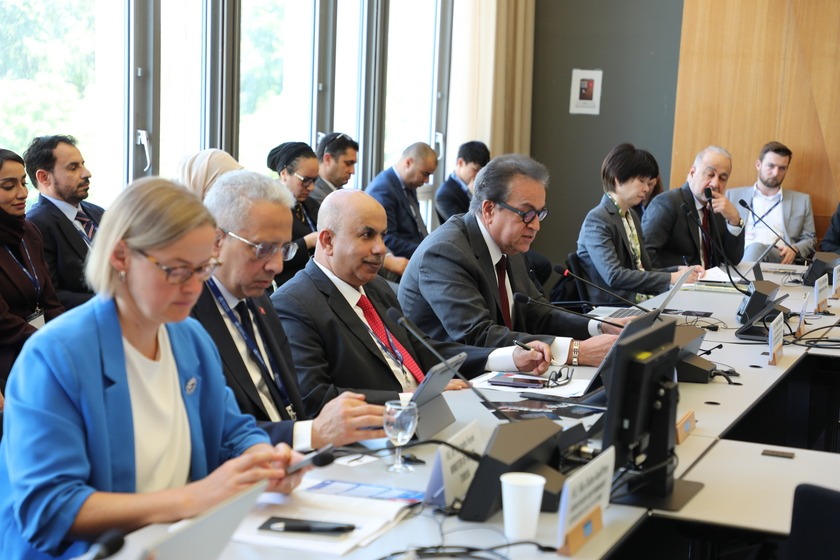
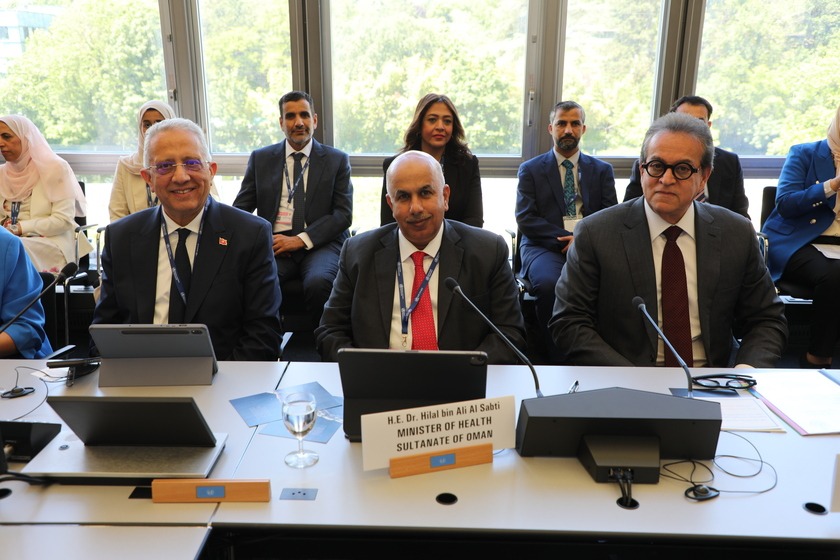
In his keynote address, H.E. Dr. Hilal bin Ali Al-Sabti, Minister of Health, said that trusted digital transformation has become a governance necessity rather than a future option. He highlighted that the World Health Organization’s Fourteenth General Programme for 2025–2028 identifies digital health and artificial intelligence as two key pillars in achieving universal health coverage and the Sustainable Development Goals.
Read More
- Oman, Italy discuss tourism cooperation to boost visitor numbers
- Oman’s Urban October event draws over 60,000 visitors, records more than 230 deals
- Oman condemns Saudi airport attacks, urges restraint
- Oman convenes global experts to advance AI innovation in mental healthcare
- HH Sayyid Theyazin chairs International Financial Centre of Oman board meeting
The minister also spotlighted Oman’s experience in digital transformation, noting that sustainable success depends on more than technology alone. He emphasized the importance of visionary leadership, practical planning, long-term investment, and continuous development of human capabilities.
H.E. Al-Sabti further stressed that fairness and equal access must remain central to the global digital health agenda, calling for stronger international cooperation to ensure all countries can benefit from knowledge-sharing, partnerships, and digital support regardless of their level of technological advancement.
The discussions come at a time when healthcare systems globally are witnessing rapid integration of artificial intelligence across clinical care, disease surveillance, financial management, and healthcare planning, alongside rising cybersecurity threats targeting hospitals and public health institutions.
For all the latest news from Oman and GCC, follow us on Twitter, Instagram and LinkedIn, like us on Facebook and subscribe to our YouTube page, which is updated daily.





