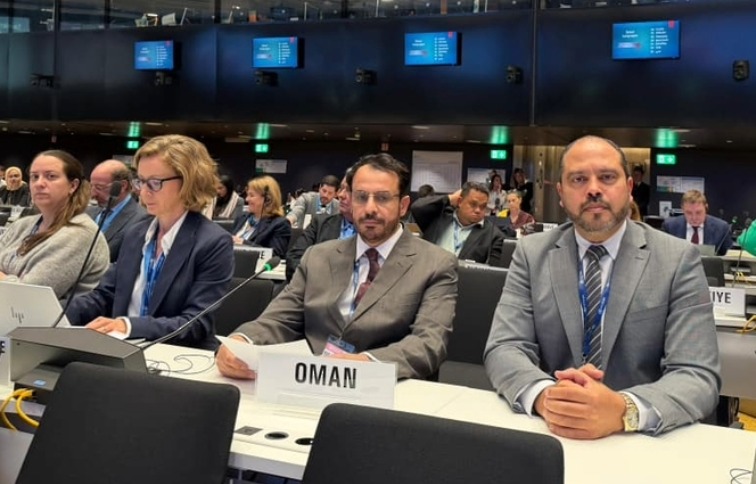

GENEVA : During discussions on strengthening preparedness, readiness, and response to health emergencies, as well as supporting the implementation of the International Health Regulations (2005), Oman stressed the need for stronger international health governance and better coordination between global, regional, and national authorities.
The Sultanate highlighted the growing challenges posed by climate change and transboundary risks, emphasizing the importance of adopting integrated and collaborative approaches to health security.
Oman also showcased its ongoing efforts to enhance its national preparedness and response systems through the strengthening of epidemiological surveillance, improving the diagnostic capabilities of reference laboratories, updating emergency plans based on the “One Health” approach, and developing integrated digital platforms for managing emergencies and health reports.
Read More
- Indian crew injured in MT On Peace attack recovering in Oman, embassy says
- Oman, Italy discuss tourism cooperation to boost visitor numbers
- Oman’s Urban October event draws over 60,000 visitors, records more than 230 deals
- Oman condemns Saudi airport attacks, urges restraint
- Oman convenes global experts to advance AI innovation in mental healthcare
As part of discussions on the organisation’s work in health emergencies and improving public health databases, Oman underlined its achievements in advancing the national health information system. Officials pointed to the country’s annual health report, published continuously since 1976, as evidence of the reliability and international recognition of Omani health data.
The Omani delegation noted that current global challenges require stronger international cooperation, greater investment in national health cadres, and wider adoption of the One Health approach linking human, animal, and environmental health.
On the sidelines of the assembly, Dr Rashid bin Mohammed Al-Alawi, Director General of the General Directorate of Khoula Hospital, said preparedness for health emergencies is an institutional responsibility that cannot be compromised. He highlighted the hospital’s efforts in strengthening rapid response plans, enhancing staff readiness, and improving monitoring and early warning systems in line with national priorities.
Dr Al-Alawi also called for increased international support in capacity building, knowledge transfer, and access to health technologies.
Meanwhile, Dr Hani bin Ahmed Al-Qadi, Director General of Health Services in Dhofar Governorate, said the International Health Regulations (2005) represent a global solidarity framework translated into practical daily measures, ranging from preparedness at land, sea, and air entry points to enhancing laboratory efficiency and updating emergency plans.
He added that climate-related challenges have made coordination between the health, environment, and agriculture sectors essential, while also stressing the importance of investing in healthcare workers in remote areas and ensuring fair access to vaccines, diagnostics, and treatments.
For all the latest news from Oman and GCC, follow us on Twitter, Instagram and LinkedIn, like us on Facebook and subscribe to our YouTube page, which is updated daily.





