
MUSCAT – Oman participated in the 2024 Hajj season pilot project alongside Indonesia and Malaysia, in what was described as one of the world’s largest trials of verifiable digital health records in a mass mobility environment. More than 250,000 pilgrims benefited from secure digital health records that enabled smoother access to healthcare services during travel and pilgrimage.
The initiative highlighted Oman’s growing digital healthcare capabilities, supported by advanced national infrastructure and the ‘Shifa’ healthcare system, which connects more than 85 percent of healthcare institutions across the country.
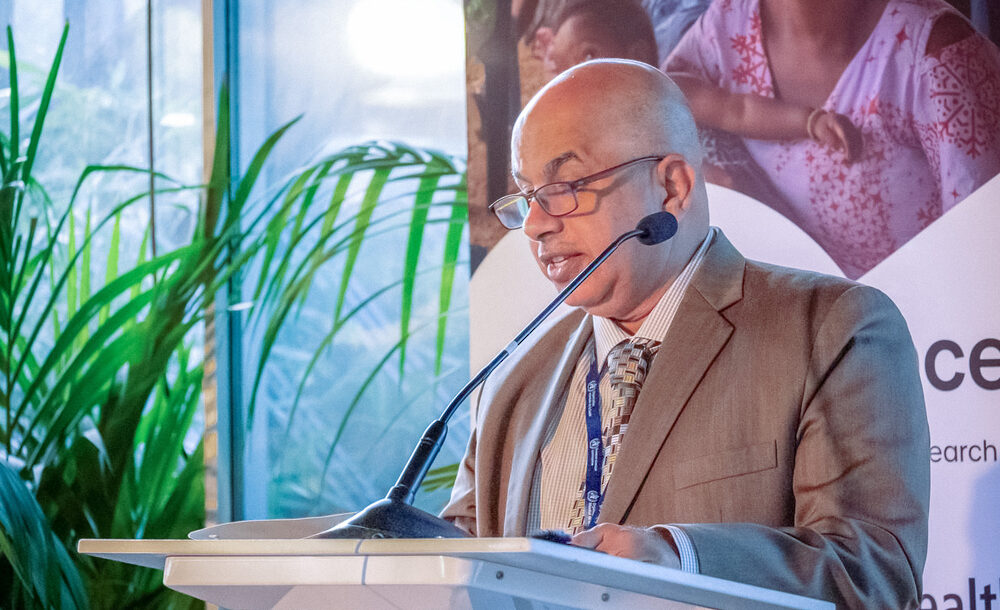
Speaking at the event, His Excellency Dr. Hilal bin Ali Al Sabti, Minister of Health, said Oman’s experience demonstrates that the International Patient Summary initiative is not merely a theoretical concept but a practical solution capable of improving lives.
Read More
- Oman and UK discuss bilateral ties, regional developments in Muscat
- Two expats arrested in Muscat over human trafficking, exploitation of woman
- Oman Meteorology issues thunderstorms, hail alert across Hajar Mountains and nearby areas
- Muscat Municipality urges safe use and disposal of detergents and pesticides
- Oman’s 32 nature reserves cover 17,839.6 sq km, support sustainable development goals
He noted that during the 2024 and 2025 Hajj seasons, more than half a million pilgrims were able to carry verified digital health records, enabling faster and more accurate medical care during emergencies.
His Excellency added that Oman Vision 2040 places strong emphasis on building a technology-driven healthcare system centred on people and globally connected services. He stressed the importance of placing patients at the core of digital healthcare transformation to ensure accessibility and efficiency.
The minister also highlighted Oman’s cooperation with the World Health Organisation on the Global Digital Health Certification Network, describing it as a practical reflection of the country’s long-term digital health ambitions.
As part of its broader digital transformation strategy, Oman and the WHO are exploring a strategic partnership to develop the global Digital Health Wallet initiative. The project aims to allow individuals secure access to essential medical information — including vaccination certificates and international patient summaries — through unified global standards that ensure interoperability between healthcare systems worldwide.
Discussions during the event focused on transitioning from fragmented healthcare systems to integrated digital health platforms that provide patients with portable and reliable medical records accessible across borders.
The event comes amid growing global demand for more resilient and interconnected healthcare systems, particularly following lessons learned during the COVID-19 pandemic regarding cross-border health coordination and data standardisation.





