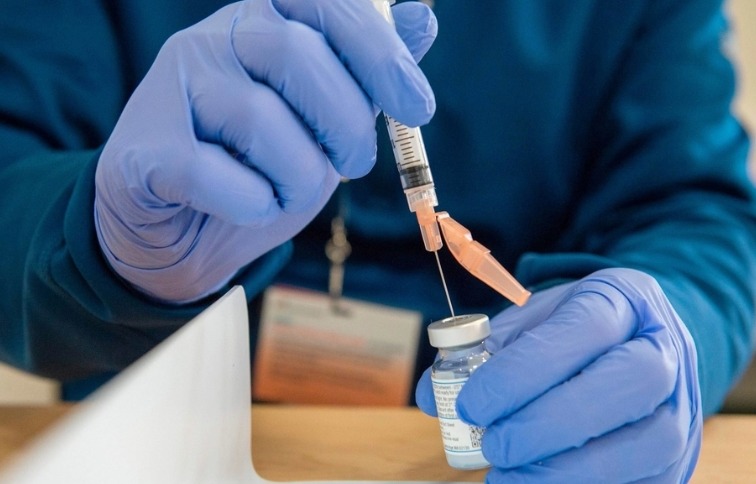

MUSCAT : The Gulf Cooperation Council (GCC) states have achieved a notable milestone in immunization. Basic vaccine coverage reached 100% in 2024. This compares to approximately 84% globally. The figure reflects the efficiency of national immunization programs and the strength of public health systems across GCC states.
Data from the Statistical Center for the Gulf Cooperation Council (GCC-Stat) indicates that GCC states continue to strengthen their leadership role in global health. This is achieved through investment in medical research and development. It also involves expanding access to affordable medicines and vaccines. Sustained investment in health infrastructure and enhanced international cooperation remain cornerstones of Gulf health policies. These efforts aim to achieve universal health coverage and ensure a sustainable health future for all.
In supporting international health efforts, GCC states contributed approximately USD 842.7 million to health sector financing and medical research in 2024. This amount was part of official development assistance (ODA). It represents roughly 4.6% of total international development assistance for health. The figure clearly indicates these states’ commitment to strengthening global health and transferring medical knowledge.
Read More
- IndiGo cancels Riyadh flights until October 31, 3 other Saudi routes until October 27 amid evolving security situation
- UAE closes all beaches in Umm Al Quwain after tanker oil spill detected
- Earthquake of Magnitude 7.0 Strikes Tibet; 16 Dead, 32 injured
- Nigeria reports first imported Ebola Bundibugyo case in Abuja: WHO
- US midterm voting begins in Texas as Democrats target historic gains
The bulletin emphasizes that these efforts align with the Sustainable Development Goals (SDGs). This is particularly true for Goal 3, which ensures healthy lives and promotes well-being for all at all ages. A key focus is supporting scientific research as a foundation for improving health service quality.
GCC states also highlight their role as active partners in supporting developing nations. Contributions include strengthening health systems and enhancing capacities to address health challenges. Efforts also ensure access to essential medicines and vaccines for all population groups.





