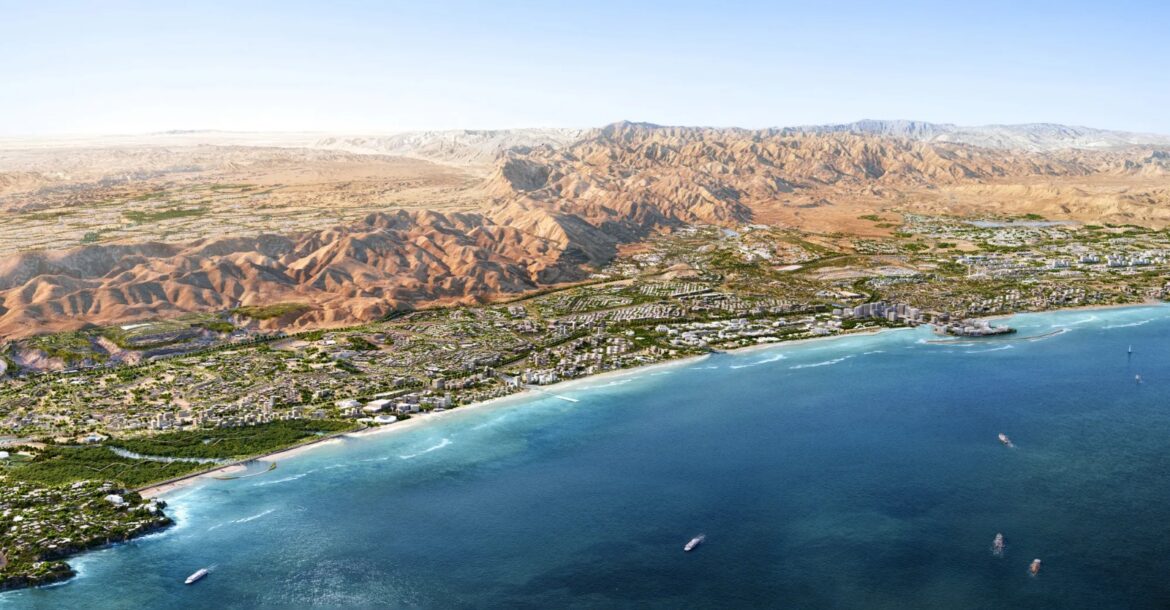

Muscat: The Greater Muscat Structure Plan is shaping a bold new vision for the capital region, aiming to transform Muscat into a smarter, greener, and more connected metropolitan hub by 2040.
Developed under the leadership of the Ministry of Housing and Urban Planning, the Greater Muscat Structure Plan responds to the goals of Oman Vision 2040, the Oman National Spatial Strategy, and the United Nations Sustainable Development Goals.
The plan aims to accommodate future population growth, attract investments, improve infrastructure, and create an integrated transport system while protecting Muscat’s unique environmental and cultural identity.
Read More
- His Majesty Sultan Haitham pardons 459 prisoners ahead of Prophet’s Birthday
- HH Sayyid Shihab presides over recital of Prophet’s life story at Al Alam Palace
- Oman’s CPA shuts travel agency in Rustaq over failure to deliver promised services
- Oman expands organic farm Yuzu to boost food security and local production
- Oman to host ICESCO delegation in Dhofar to strengthen cultural diplomacy and cooperation
By 2040, the plan envisions Muscat as a city that is livable, productive, connected, green, and inclusive. Authorities aim to create vibrant communities, strengthen economic innovation, expand public transportation, and ensure accessible services and facilities for all residents.
One of the major focuses of the plan is controlling urban sprawl by increasing population density in well-connected areas and developing compact urban districts with strong identities and better services. The strategy also highlights the importance of coastlines, wadis, historical areas, and green corridors in shaping the future urban landscape.
The plan introduces several economic clusters aimed at diversifying the regional economy. These include innovation and knowledge hubs around Knowledge Oasis Muscat, Sultan Qaboos University and Al Rusayl; industrial and logistics zones in Khazaen, Ruwi and Misfah; tourism-focused districts around Muscat, Muttrah, Al Khoudh and the airport area; and a food industry hub in Barka.
Several flagship developments have also been proposed under the plan, including Sultan Haitham City, Airport City, Muscat Resorts Conglomerate, Al Fahal Eco-Village, City Beach, the Green Lung project in Barka, and the long-awaited Muscat Metro.
To reduce the city’s heavy dependence on private vehicles, the plan proposes a comprehensive public transport network, including Bus Rapid Transit (BRT), a 55-kilometre Light Rail Transit (LRT) system, express buses, and future connections to Etihad Rail.
Environmental sustainability is another key pillar of the strategy. The plan includes restoring and enhancing wadis flowing from the mountains to the sea to improve flood mitigation, preserve ecosystems, and create attractive public spaces for residents.
The structural plan was prepared by consultancy firms F&M Middle East, Broadway Malyan and Cundall, with implementation led by Muscat Municipality and funding supported by the Government of Oman alongside private sector participation.
The project also witnessed extensive public engagement. During a six-month consultation programme, more than 7,000 residents and stakeholders shared ideas and feedback that helped shape the emerging strategies and concepts.
In a major international recognition, the Greater Muscat Master Plan recently joined the Innovation Club of Global Business Districts, becoming the first project from the Middle East and the fifteenth member globally. The network includes globally recognised business districts such as Paris La Défense in France, Chicago Loop in the United States, Toronto Waterfront in Canada, and Liverpool BID in the United Kingdom.





