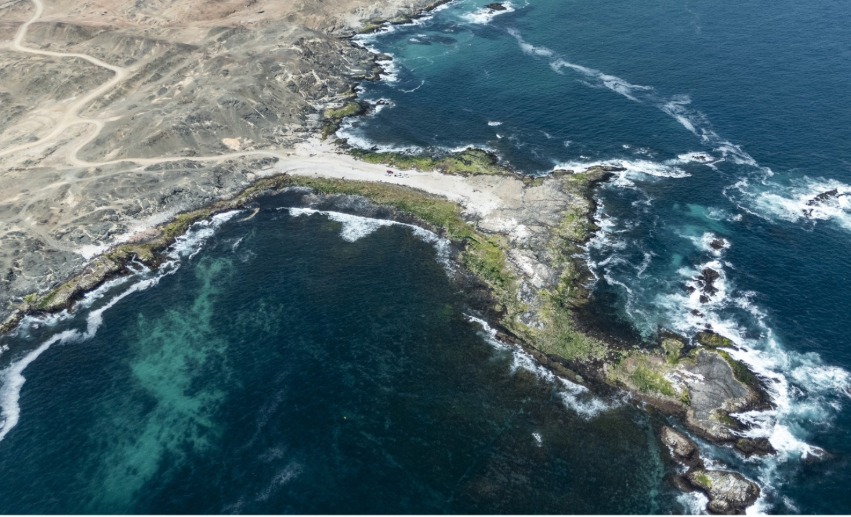

MUSCAT : The Fisheries Research Center in Dhofar, operating under the Directorate General of Fisheries Research at the Ministry of Agriculture, Fisheries and Water Resources, has begun an extensive survey of natural sea urchin stocks after a significant increase was observed in 2025. The rise has been particularly noted along the coastal stretch between the Wilayat of Mirbat and the Niabat of Hasik in the Wilayat of Sadah.
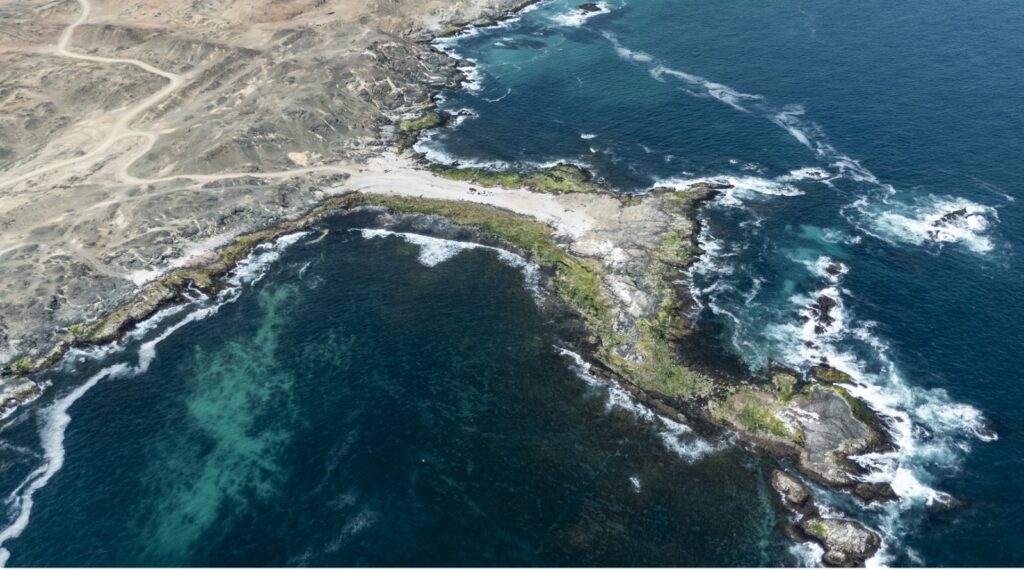
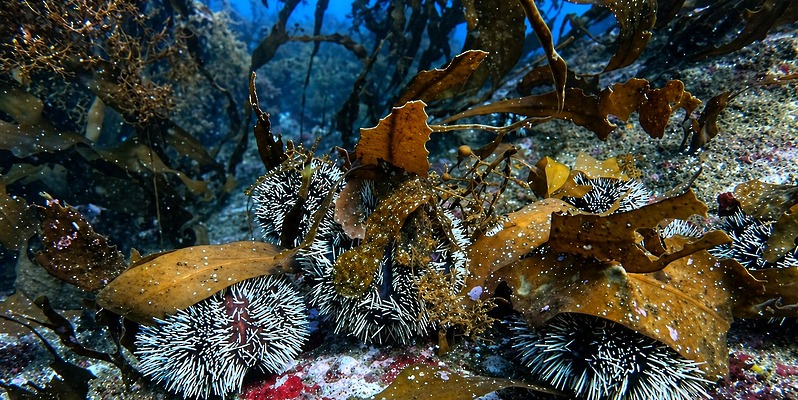
Engineer Salem bin Ahmed Al-Ghasani, Director of the Fisheries Research Center, stated that the program forms part of the Ministry’s broader efforts to monitor changes in marine biodiversity and evaluate their ecological consequences. Initial findings revealed a higher density of sea urchins compared to previous years, prompting the need for a specialized, in-depth field study.
Al-Ghasani explained that the short-spined sea urchin is commonly found in the Arabian Sea, particularly in coastal zones rich in seaweed and coral reefs at depths of up to 30 meters. The species plays an important ecological role by controlling algae growth, while also holding economic value through the production of roe.
Read More
- Nepal, Oman seek faster labour pact, discuss Omani embassy in Kathmandu
- Oman voices solidarity with Saudi Arabia, rejects targeting of civilian facilities
- International Financial Centre of Oman nears operational readiness by 2027
- Oman targets $66mn investment to build aviation hub
- Oman targets quality French investments in priority sectors
The ongoing program seeks to map the distribution and density of sea urchins, assess their impact on seagrass and algae ecosystems, and strengthen routine monitoring mechanisms. Researchers are employing scientific field survey techniques, including latitudinal surveying, to track concentrations and chart their geographical spread.
The study spans a wide coastal area, from the Wilayat of Dhalkut in the west to the Niabat of Sharbatat in the east, including the Hallaniyat Islands, offering a comprehensive overview of the species’ presence in Dhofar waters.
Officials noted that the findings are expected to provide accurate scientific data on the species, including insights into its biomass and life cycle.
For all the latest news from Oman and GCC, follow us on Twitter, Instagram and LinkedIn, like us on Facebook and subscribe to our YouTube page, which is updated daily.





