MUSCAT : According to data released by the Environment Authority, the reserve welcomed 136,549 visitors in 2025, marking a sharp increase from 105,686 visitors in 2024. The surge reflects increasing international and local interest in Oman’s unique marine ecosystems.
Visitors to the islands represented a diverse mix of nationalities, with a strong presence from Europe, including France, Italy, Germany, and the United Kingdom, alongside tourists from Asia and Africa, as well as a notable number of domestic visitors.
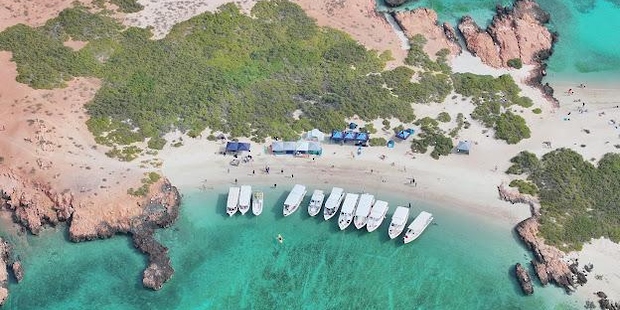
Zahra bint Khalaf Al-Shariqiyah, Head of the Natural Reserves Management Department at the Environment Authority, emphasized the reserve’s high environmental value, noting that it remains one of the Sultanate’s most prominent marine protected areas.
Read More
- Oman, Iran agree framework for safe shipping corridor through Strait of Hormuz
- Thunderstorms, strong downdraft winds sweep parts of Oman
- Saudi Crown Prince sends written message to His Majesty Sultan Haitham
- Oman FM arrives in Tehran, discusses safe passage of ships through Strait of Hormuz
- CPA seizes 1,668 soft drinks, 177 expired juice cans in Oman
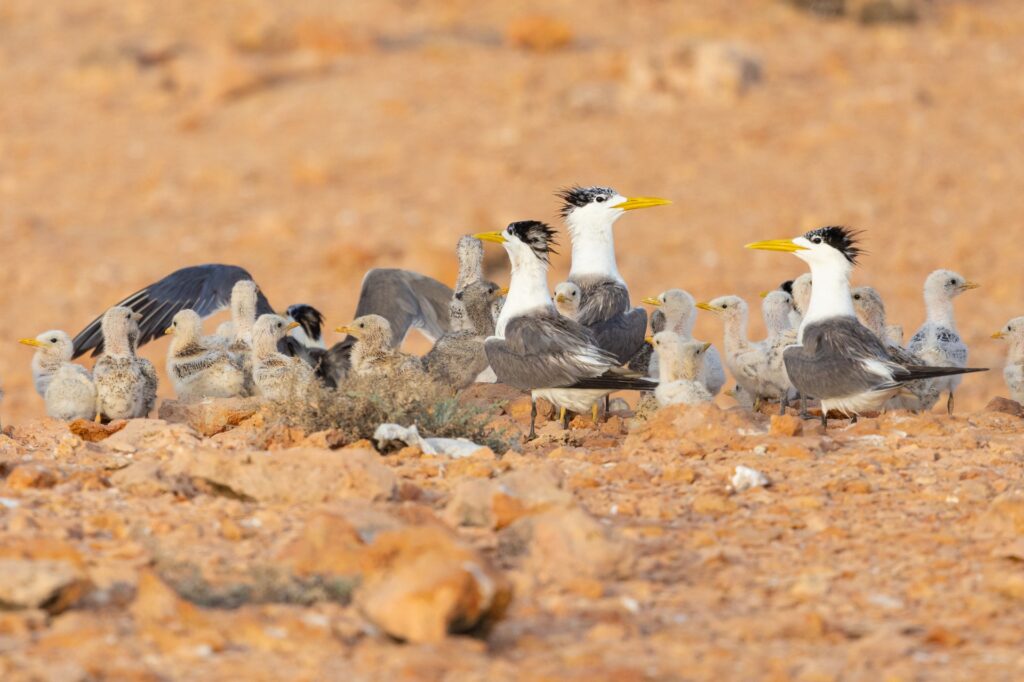
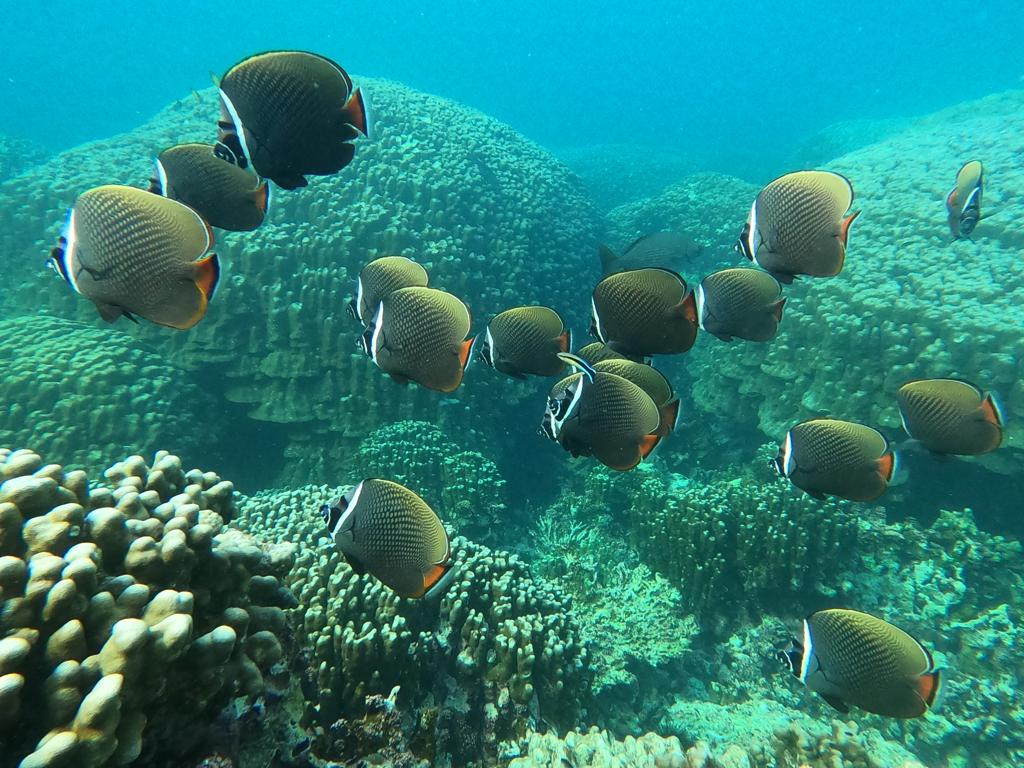
She highlighted that the Authority continues to implement strict environmental controls to regulate visitor access, alongside enhanced monitoring and protection measures aimed at preserving sensitive marine habitats. These efforts include environmental awareness programs, as well as scientific monitoring of biodiversity such as coral reefs, sea turtles, and migratory and resident bird species.
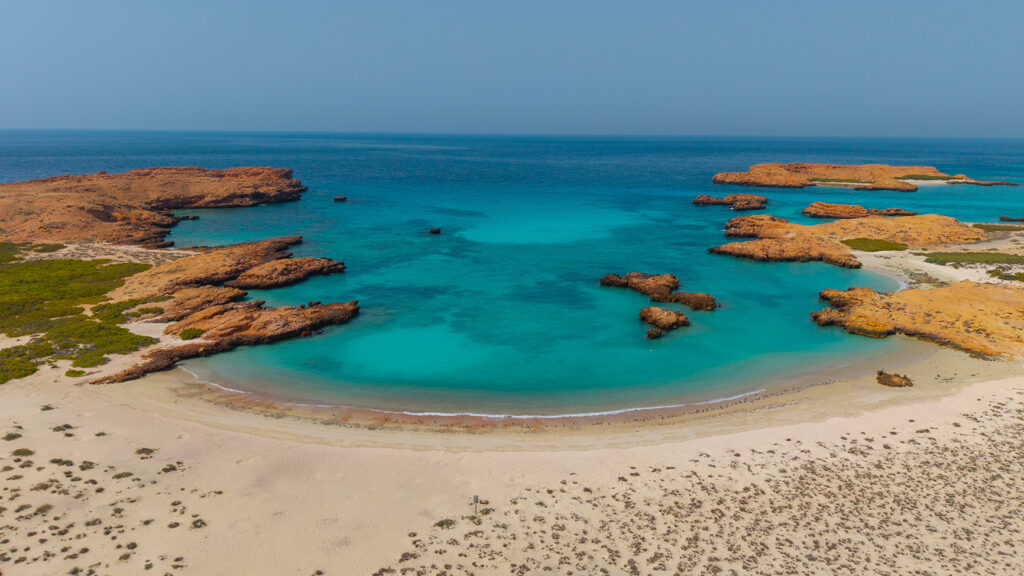
The Daymaniyat Islands are renowned for their crystal-clear waters and rich marine biodiversity, featuring vibrant coral reefs, diverse fish species, and being one of the region’s key turtle nesting sites. The islands also serve as an important habitat for species such as the sooty falcon, further enhancing their ecological significance.
Popular among diving and swimming enthusiasts, the reserve offers a pristine natural environment that showcases Oman’s marine beauty while maintaining strict conservation standards.
Authorities are continuing to develop sustainable management strategies to balance tourism growth with environmental protection. These include improving visitor organization, expanding awareness services, and advancing monitoring systems to ensure long-term preservation.
Among the standout initiatives is the reserve’s underwater museum, designed to enhance environmental awareness by offering visitors an immersive educational experience that highlights marine biodiversity and the importance of conservation.
For all the latest news from Oman and GCC, follow us on Twitter, Instagram and LinkedIn, like us on Facebook and subscribe to our YouTube page, which is updated daily.