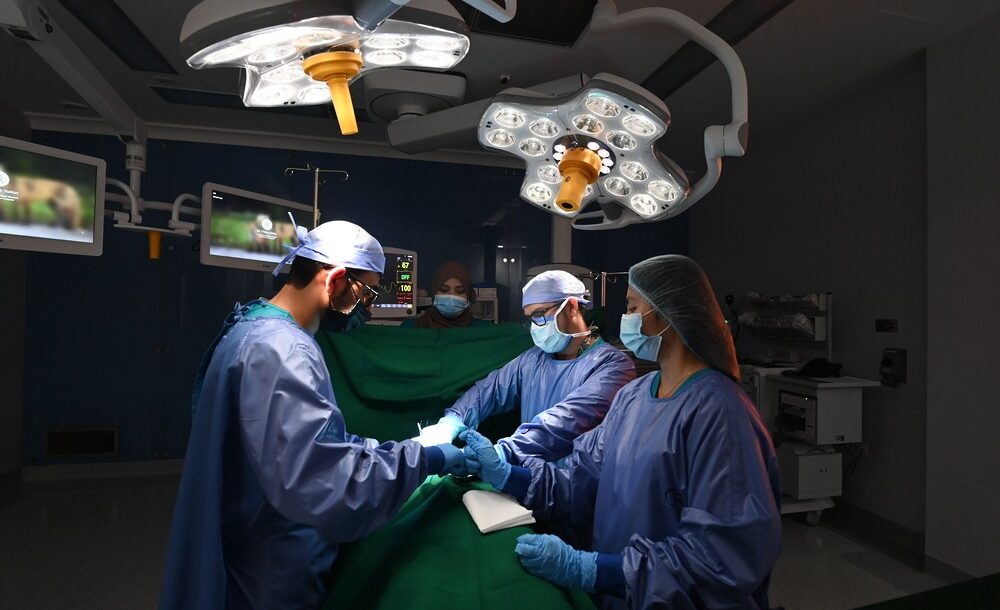

MUSCAT — The Ministry of Health highlighted the health sector as a cornerstone of Oman’s ongoing development renaissance, continuously striving to improve the quality and accessibility of services for citizens and residents. Efforts are aligned with Oman Vision 2040, focusing on sustainable health, integrated care, prevention, treatment, rehabilitation, and health promotion.
As part of its innovation agenda, the Ministry is investing in precision medicine, artificial intelligence, 3D printing, and robotics to enhance medical diagnosis, early disease detection, and personalized healthcare. A national genomic database is also being developed to combat genetic diseases.
Virtual health services are expanding rapidly, including remote radiology, second medical opinions in haematology and coagulation, and AI-powered retinal imaging for diabetic patients, which has already served over 25,000 patients. Planned launches for 2026 include virtual urgent care services, remote premarital consultations, and second opinions in emergency medicine, toxicology, and cardiology. Remote intensive care and stroke treatment services are also under study to improve emergency response efficiency.
The Ministry reported significant progress in 2025, with 45,000 virtual consultations, reduction of pharmacy waiting times from 40 to 15 minutes, and 65 percent of health institutions linked to PACS/Shifa systems. Telemedicine services in six specialties are supporting over 1,200 patients remotely, reflecting Oman’s commitment to digital transformation and improved access to care.
Oman’s health system is also advancing public health monitoring through the Event-Based Surveillance System, enabling early detection and rapid response to potential health threats, strengthening the country’s emergency preparedness.
Looking ahead, the Ministry is preparing to implement the Eleventh Five-Year Plan (2026–2030), focusing on systemic transformation, AI-driven predictive tools, and major projects such as the National Centre for Women’s and Children’s Health in Sultan Haitham City.
These initiatives reaffirm Oman’s commitment to building a resilient, integrated, and sustainable health system, enhancing community well-being, improving its performance in the Legatum Prosperity Index, and positioning the Sultanate as a regional and international model in health innovation and service delivery.
Read More
- Oman lays foundation stone for genome centre costing more than RO 4.2 million
- Nearly 60% of high blood pressure cases go undiagnosed, Oxford study finds
- ADHD: An emerging discussion on a shared disorder
- Matcha Mania: Is the green drink really as healthy as it seems?
- Muscat oncology conference showcases latest advances in immunotherapy and targeted therapy





