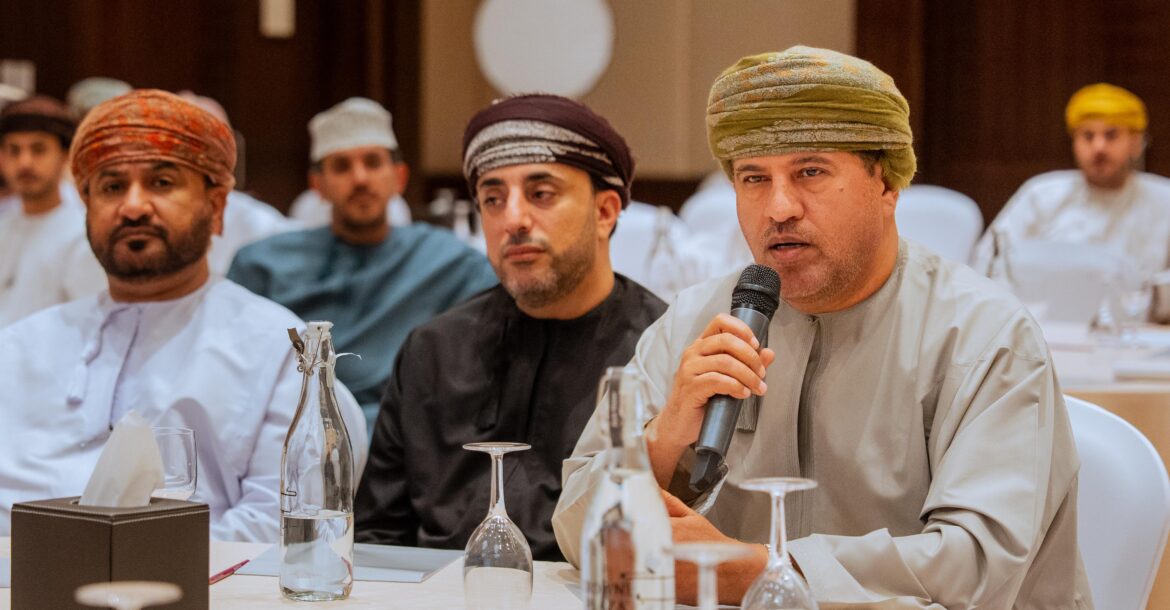

DUQM — On Wednesday evening, SEZAD’s Duqm Now session stayed focused on what matters to manufacturers – how to build in Duqm then export from Duqm with speed and reliability. The national numbers suggest the momentum’s real. NCSI figures put non-oil exports at RO5.6 billion (US$14.6bn) by end-October 2025 up 9.9% year on year while FDI in manufacturing reached RO2.7 billion (US$7.1bn) by end-Q3 2025, an 11.1% increase.
In this exclusive quick-fire interview, The Arabian Stories spoke to Eng. Ahmed Akaak, CEO, SEZAD about what turns a location into a genuine export base.
Q. Why manufacturing and why now?
A: Because trade rules are tightening and tariffs are back on the table. Manufacturers are redesigning supply chains to cut risk, get closer to markets and make delivery more dependable. That means resilience, proximity, talent and political stability matter as much as cost. Duqm offers all four, with scale.
Read More
- OQ8, Invest Oman to explore investment and business opportunities at Duqm Now forum
- Roberto’s Muscat welcomes Ilario Prospero as General Manager
- Digital Transformation Hackathon kicks off in Al Wusta Governorate
- Mazda Oman elevates experiences with new exclusive showroom
- Oil prices rise amid supply risk assessments and Russian diesel flows
Q. What makes Duqm different from other industrial zones in the region?
A: Location. We sit directly on the Indian Ocean, outside the Strait of Hormuz. That gives manufacturers direct access to Asia, Africa and Europe without congestion or chokepoints.
Q. Is the infrastructure ready, or still developing?
A: It’s operational and that means reliability. The port, dry dock, airport and road network are in place, with the utilities and logistics services needed to run consistently. Investors aren’t buying into plans they’re operating today.
Q. Which manufacturing sectors are you prioritizing?
A: Heavy industry, petrochemicals, green materials, food processing and increasingly green hydrogen-linked manufacturing. We’re focused on sectors that scale and export and on building value chains with the industrial services that support them.
Q. Who is Duqm built for – regional players or multinationals?
A: Both. Regional manufacturers can scale and export from Duqm and multinationals can use it as a strategic international base. Duqm’s designed to support global standards in scale, infrastructure and regulation and to grow strong local supply chains alongside international anchors.
Q. What does export platform mean in practical terms?
A: Competitive energy, long-term land availability, deep-water port access and streamlined regulation. It means products can be made efficiently, cleared smoothly and shipped with speed and predictability – outside the Strait of Hormuz – to serve multiple markets without friction.
Q. How important is energy pricing to your strategy?
A: It’s crucial. Industrial competitiveness begins with energy. Oman offers stability and competitive pricing and we’re building a strong renewable energy base because buyers increasingly look at the carbon profile and traceability as well as cost.
Q. How does Duqm fit into Oman’s long-term vision?
A: Duqm’s central to economic diversification. It’s about building capability – the space and infrastructure to scale industry, deepen in-country value and anchor an export platform that can serve Asia, Africa and Europe for the long-term.
Q. What are international investors most surprised by when they visit?
A: The scale, the land availability and how advanced the infrastructure already is and the clarity once you see it on the ground. They also notice how quickly projects can move from decision to operation.
Q. If you had to summarize Duqm’s manufacturing proposition in one sentence?
A: Strategic location, industrial scale and predictable export flows.





