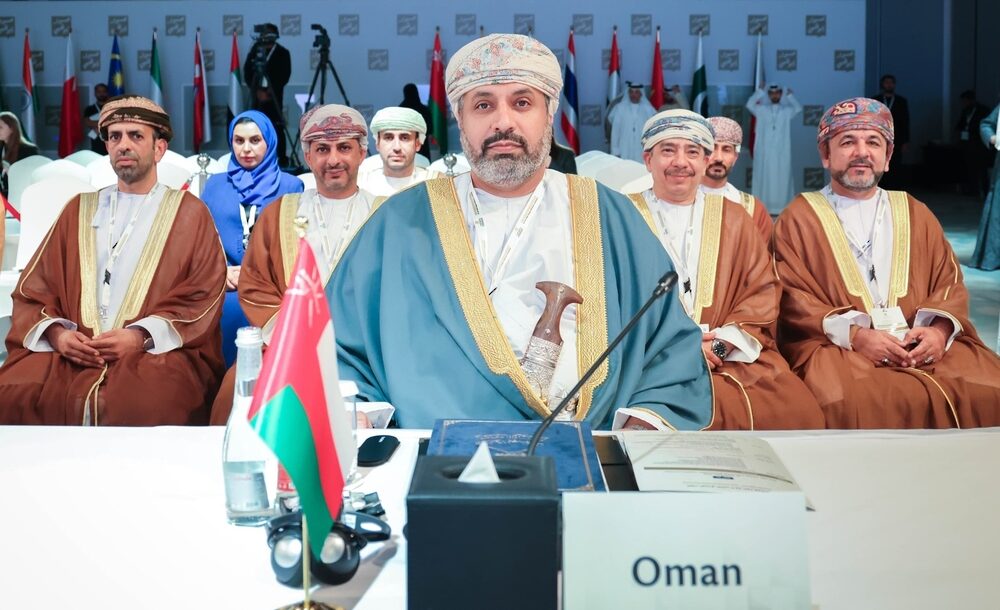

MUSCAT – Representing Oman, His Excellency Dr Mahad bin Said Ba’awain, Minister of Labour and current chair of the Abu Dhabi Dialogue, emphasised the importance of strengthening regional and international cooperation and sharing best practices. He highlighted that such collaboration supports the development of effective policies for managing temporary contractual labour, benefiting both workers and employers and promoting economic growth in sending and receiving countries.
The meeting saw extensive discussions between Asian labour-sending and Gulf Cooperation Council (GCC) countries on key issues affecting labour mobility in the Asia-GCC corridor. Topics included the impact of climate change on labour markets, skills mobility to support a just transition to a green economy, conditions for migrant workers in the freelance and digital economy, and the role of skills and diversity in enhancing productivity.
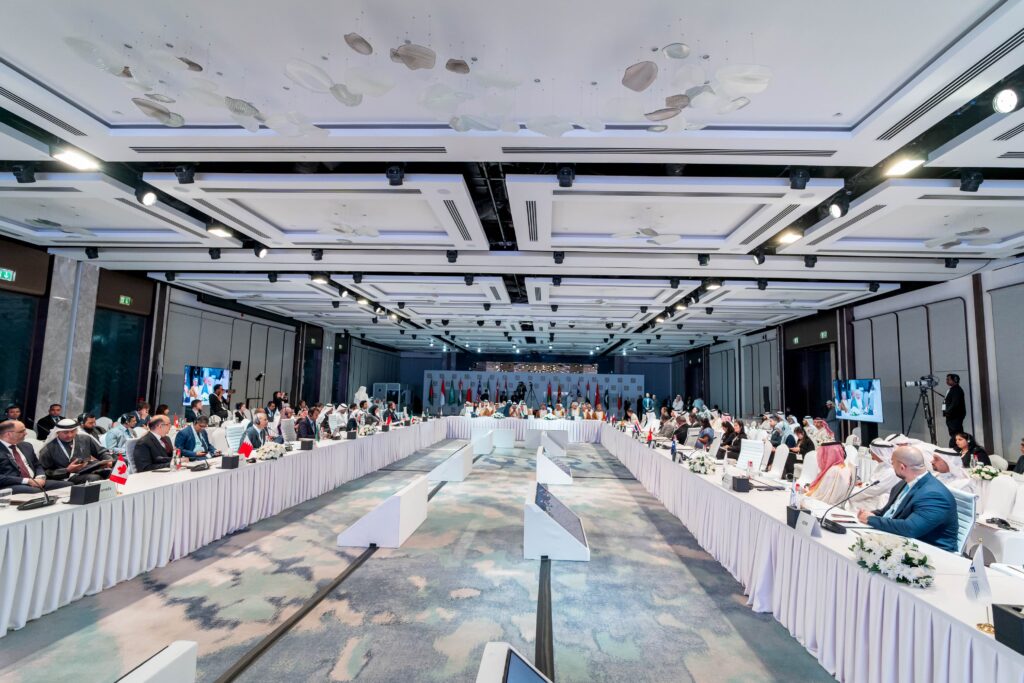
Oman also participated in a senior officials’ meeting ahead of the ministerial session, which reviewed technical work and the research agenda of the Dialogue, prepared with the support of partner international organisations to promote evidence-based policies that respond to rapid changes in labour markets.
Read More
- Oman Chamber of Commerce and Industry elections set for November 23
- What did His Majesty Sultan Haitham and UAE’s Sheikh Tahnoun discuss during Muscat meeting?
- Oman Investment Authority invests in Spanish space company PLD Space
- Oman health facilities rise to 2,464 as sector expands in 2025
- Over 800 expired perfume and incense packages seized in Oman’s South Al Sharqiyah
The ministerial meeting concluded with the adoption of the eighth joint ministerial declaration, reaffirming member states’ commitment to strengthening governance of labour mobility, linking it to the Sustainable Development Goals, and promoting partnership and responsibility-sharing between labour-sending and labour-receiving countries.
Established in 2008, the Abu Dhabi Dialogue serves as a regional platform for dialogue and cooperation between Asian labour-sending countries and GCC labour-receiving countries. It is widely recognised as a key framework for managing temporary labour migration and addressing labour mobility challenges in the region.





