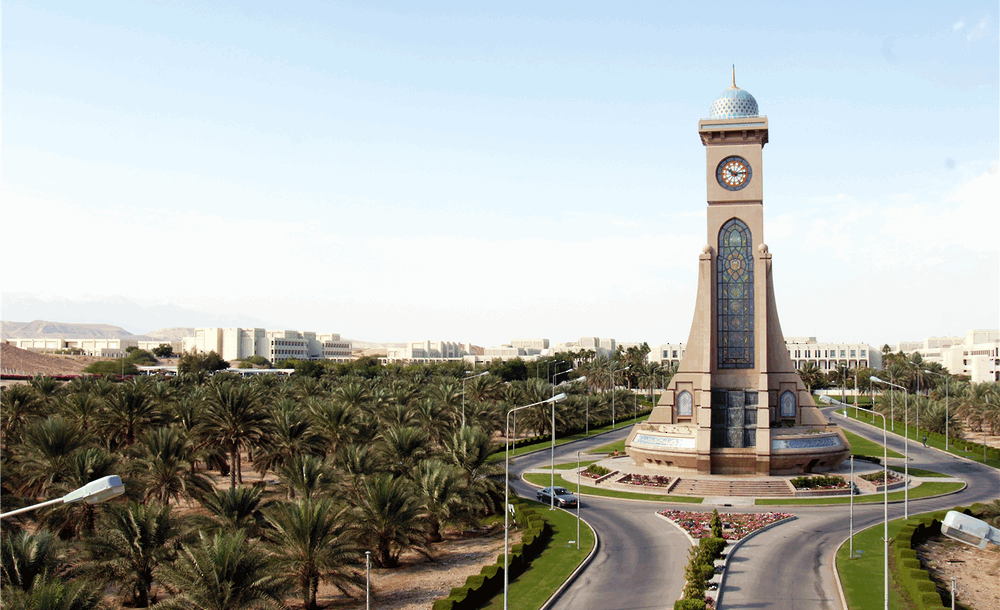

MUSCAT – The achievement reflects a sustained upward trend in research productivity over recent years. Between 2023 and 2025, the university’s research output recorded cumulative growth of around 35 per cent, indicating balanced and systematic development driven by institutional planning and the continued enhancement of the research and innovation ecosystem.
Research published by the university during the period spanned a wide range of disciplines, including medical sciences, social and human sciences, engineering, agricultural and environmental sciences, as well as multidisciplinary studies. This breadth has reinforced the diversity of research activity at SQU and strengthened its relevance to national development priorities and community needs.
The progress has been attributed to ongoing improvements in the university’s research environment, including expanded support for researchers, mechanisms to facilitate scientific publishing, and initiatives that encourage directing research toward national priorities. The university has also increased student participation in research projects that contribute to addressing societal challenges.
Read More
- Indian expat airlifted to hospital after road accident in Oman
- Truck carrying steel coils triggered deadly 15-vehicle Samail crash: Royal Oman Police
- Global experts to gather in Oman to combat water and climate challenges
- Oman orders investigation into horrific Samail crash that killed six
- Over 220 Raqaq bread packs seized in Oman over alleged expiry date manipulation
Commenting on the achievement, Dr Ghazi bin Ali Al Rawas, Dean of Scientific Research at Sultan Qaboos University, said the milestone reflects the collective efforts of colleges, research centres, and academic and administrative staff in fostering a strong research culture.
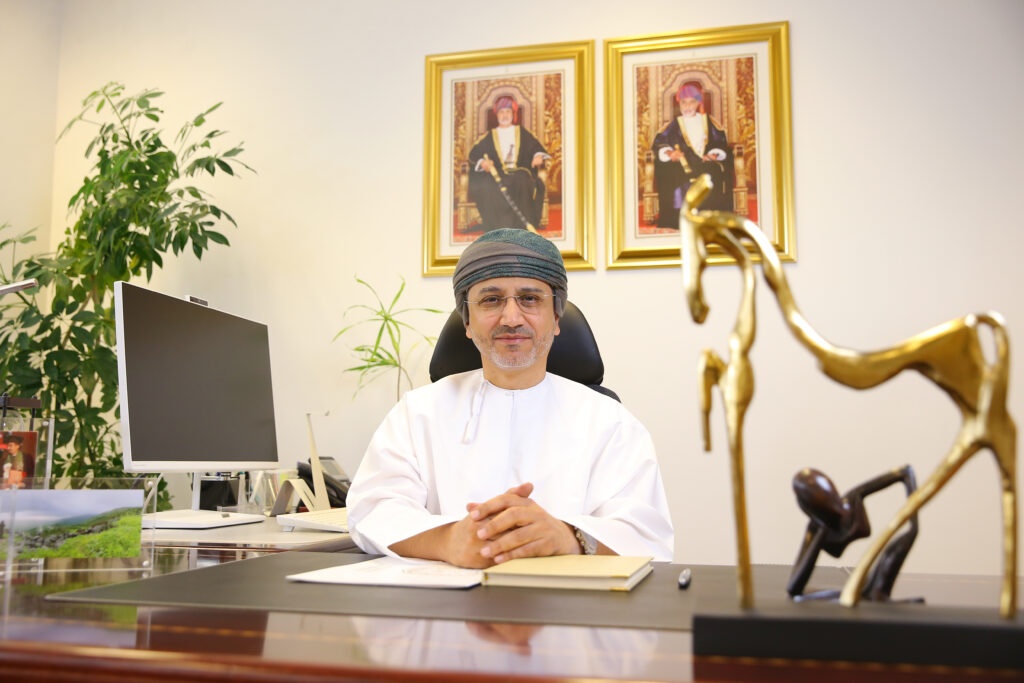
He noted that the growth in research output contributes to enhancing the university’s global ranking and academic reputation, while supporting the expansion of international research partnerships and funding opportunities, and strengthening SQU’s presence in global indicators and assessments.
Dr Al Rawas added that the university remains committed to positioning scientific research as a core pillar of its academic system through its close integration with teaching, postgraduate programmes and community service. This approach, he said, reinforces the university’s role in addressing challenges facing both the public and private sectors, and supports its continued development as a leading academic and research institution at the regional and international levels.





