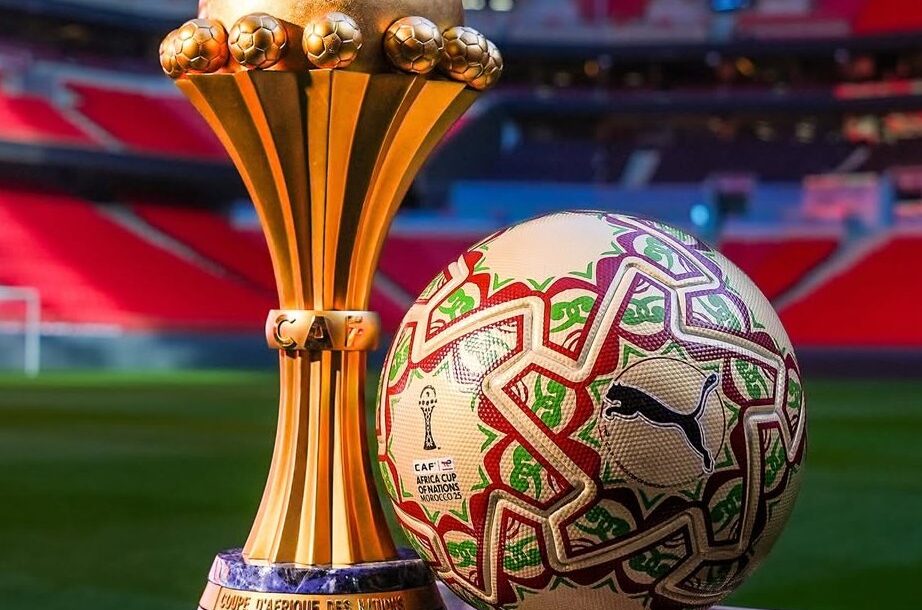

Rabat: The final brings together the two highest-ranked teams in Africa according to FIFA, with Morocco national football team placed 11th in the world and Senegal national football team ranked 19th. It is a fitting conclusion to a tournament that has showcased the rise of two nations that have shaped African football over the past decade through consistency, ambition and global success.
For Senegal, appearing in their third final in four AFCON editions, victory would further justify the federation’s bold decision to replace title-winning coach Aliou Cisse with Pape Thiaw in 2024. More importantly, it would cement this generation’s place among the greatest in African football history, underlined by their unprecedented run of three consecutive FIFA World Cup appearances.
Morocco, however, enter the final under far greater pressure. Head coach Walid Regragui has already stated that anything short of victory for the hosts would be considered failure. From a sporting perspective, many analysts have argued throughout the tournament that the title is Morocco’s to lose.
Read More
- Real Madrid beat Barcelona 2-1 to close gap at top of LaLiga
- Indian Olympic Association announces Indian contingent for Dakar 2026 Youth Olympic Games
- Australia release Maddinson, Harper ahead of Cape Town Test; Smith faces fitness test
- PV Sindhu enters French Open final after thrilling victory over Japan’s Akechi
- Aston Villa beat Manchester City as Arsenal close in on Premier League leaders
The Atlas Lions boast one of the deepest and most talented squads on the continent, shaped by the collective experience of reaching a historic World Cup semi-final together, an achievement unmatched by any African nation. They arrived at the tournament on a record international winning streak, and strong home support has only strengthened belief that this is their moment. Central to that confidence is captain Achraf Hakimi, Africa’s Footballer of the Year, whose influence and quality have underlined Morocco’s status as favourites.
Beyond football, Sunday’s final carries wider national significance. Morocco’s rise is closely linked to a long-term development vision led by King Mohammed VI, who identified football as a pillar of national identity and global standing. Since the launch of a structured roadmap in 2008, sustained investment in infrastructure and youth development has transformed the country into a continental powerhouse.
Senegal’s journey to the final has also placed them in elite company. By reaching three AFCON finals in a decade, the Teranga Lions join a select group of nations, including Egypt, Cameroon, Ghana and Nigeria, that defined eras of African football. Their semi-final victory over Egypt ensured Senegal became only the fifth country to reach 75 per cent of finals across a four-tournament cycle, while their run of three consecutive World Cup qualifications further separates them from many past great sides.
At the heart of Senegal’s success is a core group that has remained intact since the 2017 Nations Cup: Kalidou Koulibaly, Idrissa Gana Gueye, Sadio Mané, and Ismaïla Sarr. This spine has driven Senegal’s rise in the FIFA World Rankings, from 32nd in 2016 to a peak of 17th in 2024, establishing them as a consistent global force.





