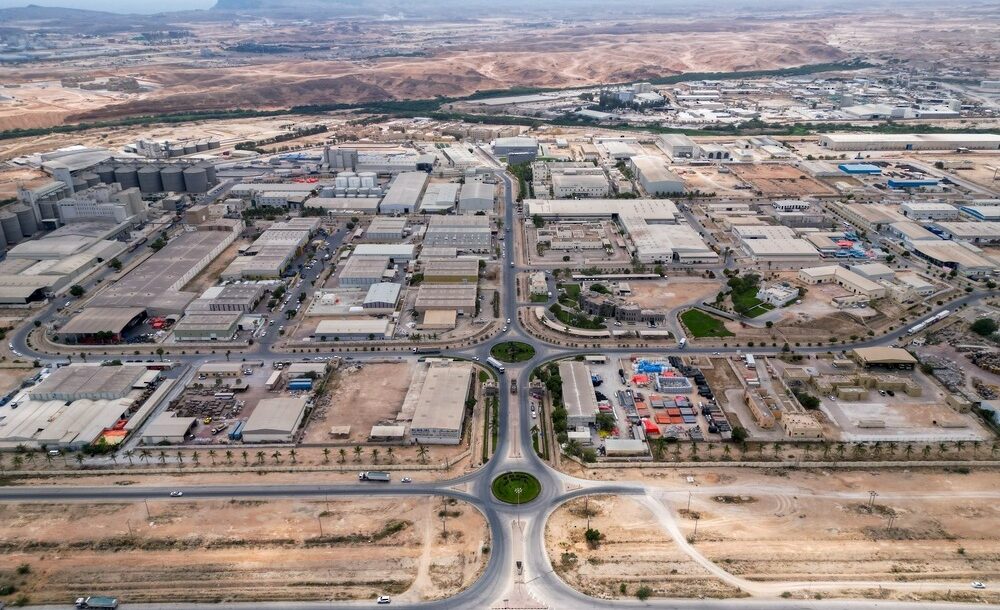

Muscat: The Ministry of Economy reported that non-oil sectors accounted for 73.3 per cent of GDP at constant prices by the end of the third quarter of 2025, up from 72.5 per cent in 2024. The value added of non-oil activities rose to RO 21.0 billion, compared to RO 20.4 billion during the same period last year. Real growth in these sectors stood at 3.4 per cent, slightly lower than the 4.2 per cent recorded in 2024.
Dr. Salem bin Abdullah Al Sheikh, official spokesperson for the Ministry of Economy, said economic diversification remains a cornerstone of Oman’s financial and economic sustainability, noting strong growth in non-oil revenues amid the continued recovery of economic activity.
According to the ministry, non-oil revenues increased from RO 2.7 billion in 2020 to RO 3.507 billion in 2024, while approved non-oil revenues in the 2025 state budget reached RO 3.573 billion, marking a 1.5 per cent increase over 2024. These include RO 680 million from value-added and excise taxes, RO 656 million from corporate income tax, RO 800 million in dividends from companies affiliated with the Oman Investment Authority, and RO 1.4 billion from various government fees.
Read More
- Dubai witnesses unprecedented crowds as actor Suriya graces the grand inauguration celebrations of 3 new Malabar Gold & Diamonds showrooms
- Major currencies trade in narrow ranges ahead of central bank decisions
- Oman crude oil price falls by USD 1.66
- Bank Muscat Shari’a Money Market Fund sees strong investor demand
- Oman Cement appoints Jiang Tao as chief executive
Dr. Al Sheikh said Oman continues to enhance financial sustainability by improving public finance efficiency, expanding the non-oil revenue base, diversifying project financing sources and attracting high value-added technologies and investments.
On foreign direct investment, he noted sustained growth supported by improved economic prospects, diversification efforts and increased investor confidence following the credit rating upgrade. Cumulative FDI rose by 18 per cent in 2024 compared to 2023, exceeding RO 30.3 billion by the end of the first half of 2025, a 12.8 per cent increase year-on-year.
He added that the strong performance of non-oil sectors has helped maintain overall economic growth despite global challenges, including slower global growth, inflationary pressures and changes in energy markets that reduced oil output under coordination within the OPEC Plus group. The oil sector’s contribution to GDP declined from positive growth of 8.6 per cent in 2022 to 0.1 per cent in 2023, fell 2.7 per cent in 2024, and stood at 0.3 per cent by the third quarter of 2025.
Average GDP growth reached 3.4 per cent during the first four years of the Tenth Plan, close to the 3.5 per cent target. Estimates from the International Monetary Fund and the World Bank project growth between 2.2 and 3 per cent by the end of this year, with further improvement expected in the medium term.
Dr. Al Sheikh said economic and investment policies during the Tenth Plan focused on strengthening productivity, innovation and global integration, delivering tangible progress in diversification, value chains, local content utilisation and private-sector empowerment, including SMEs and startups. Government stimulus packages, increased development spending and the rollout of strategic projects also played a key role in boosting non-oil growth.
He highlighted the impact of the National Economic Diversification Programme “Tanwee”, particularly in sectors such as manufacturing, transport and logistics, tourism, fisheries and mining. The launch of the Integrated Economic Cluster Project for cold chains in Duqm marks a significant step in developing supply chains across five integrated clusters aimed at balanced regional development and investment attraction.
Looking ahead, Dr. Al Sheikh said the Eleventh Five-Year Plan (2026–2030) will continue to support economic and financial sustainability targets, strengthen international partnerships and reinforce Oman’s position as an attractive investment destination in areas such as renewable energy, the digital economy, logistics and e-commerce, further integrating the national economy into global value and supply chains.





