

MUSCAT : The event highlights the significant progress of the green hydrogen sector and the Sultanate of Oman’s transition from planning to implementation.
Organised by the Ministry of Energy and Minerals in cooperation with Hydrogen Oman (Hydrom), the summit aims to provide a platform that brings together officials, decision-makers, experts, and investors to discuss policies, legislation, and investment opportunities related to green hydrogen, as well as to review the latest technologies and global market trends.
Despite ongoing shifts in global energy markets, the progress achieved by Oman’s national green hydrogen ecosystem reflects a strong, sustained commitment and reinforces the country’s position as a reliable partner and major competitor in the global hydrogen economy.
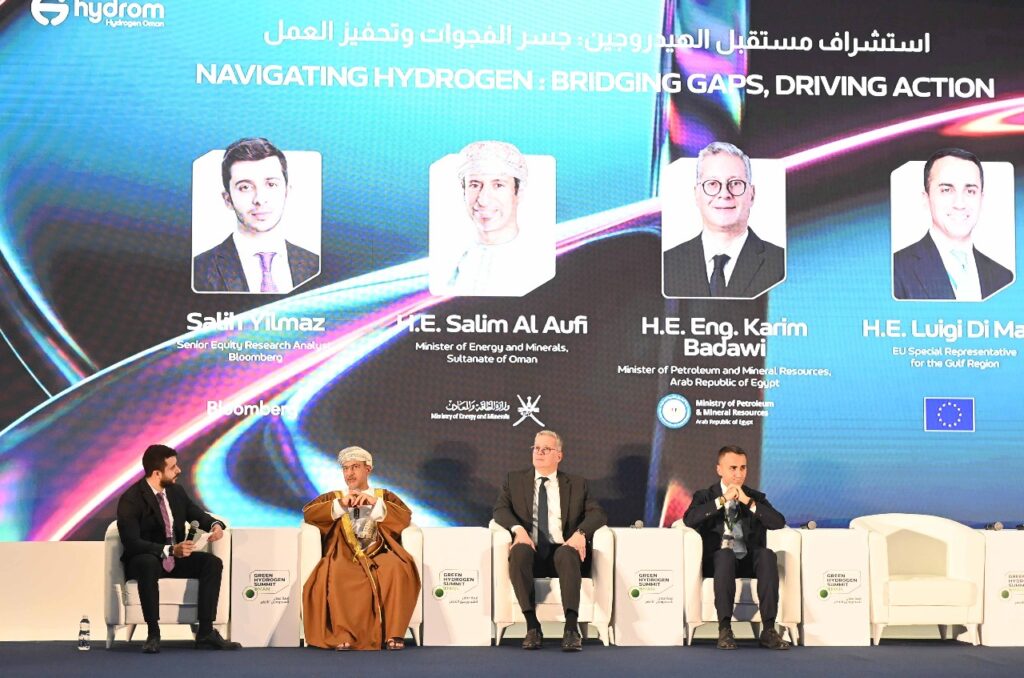
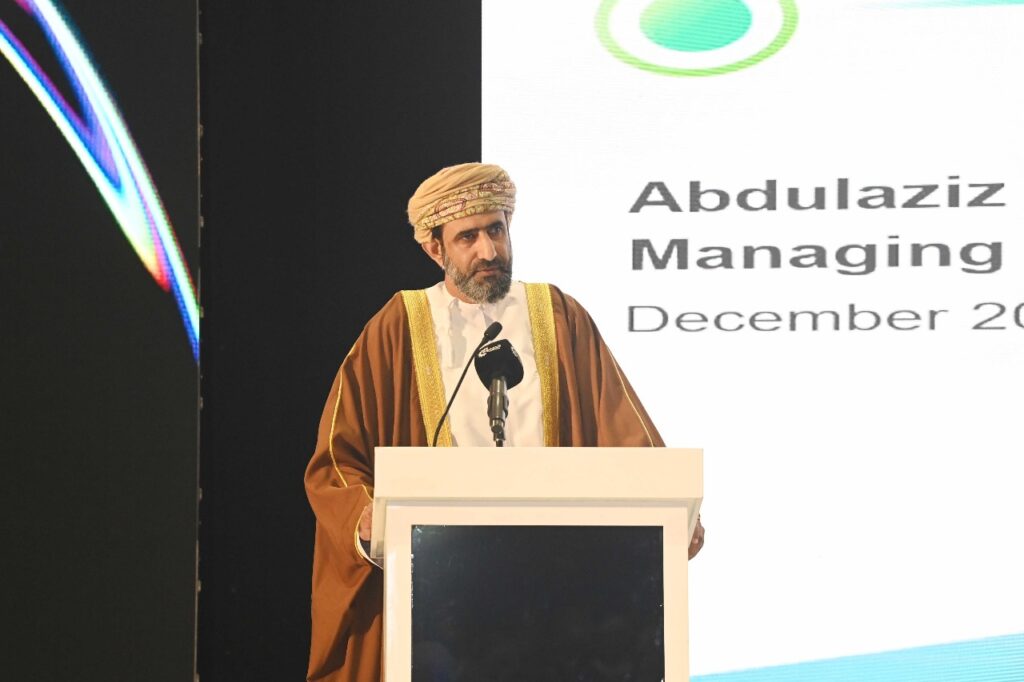
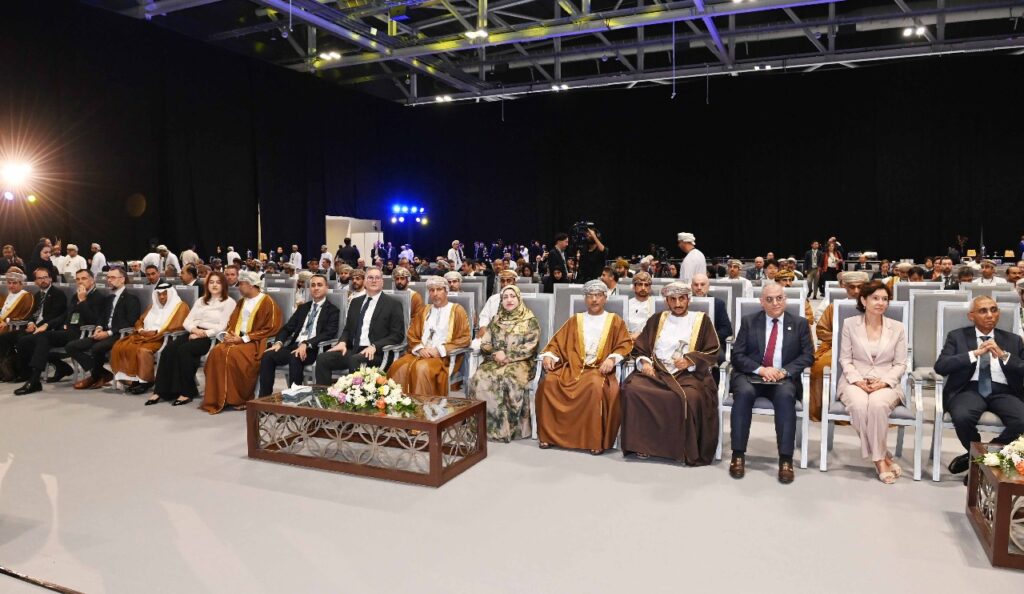
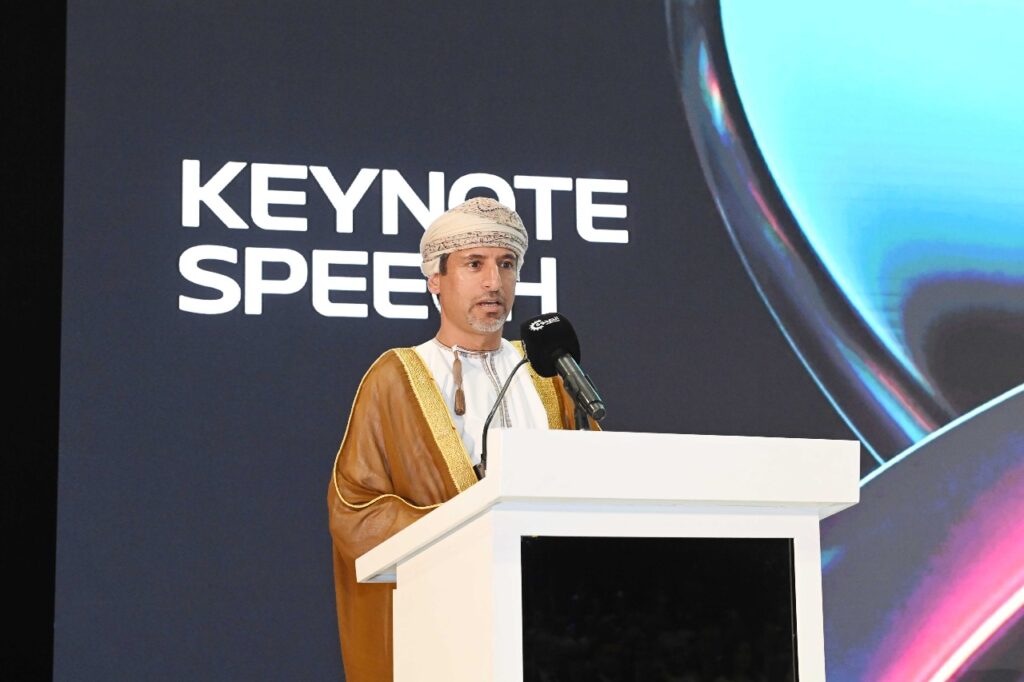
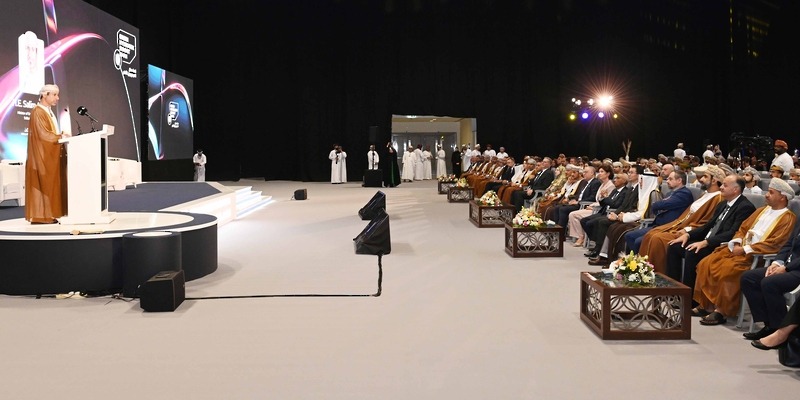
His Excellency Eng. Salem bin Nasser Al Aufi, Minister of Energy and Minerals, said the summit builds on Oman’s strategic efforts to enhance energy security locally and globally and to strengthen its role as a key platform in the development of low-carbon hydrogen industries. He noted that Oman has, over recent years, established clear policies and developed regulatory and executive frameworks capable of keeping pace with the rapid growth of this sector.
In his address, His Excellency stressed that the Sultanate is moving in line with global developments in hydrogen technologies and is working with partners to bridge technical and financial gaps while overcoming challenges. He added that Oman has accumulated decades of experience in the energy sector and in transitioning to renewable sources, supported by the rebuilding of the hydrogen sector – from policy and legislation to infrastructure, site allocation, and the establishment of specialised national companies capable of leading this transformation and strengthening competitiveness in clean fuel production and export chains.
Eng. Abdul Aziz bin Saeed Al Shidhani, General Manager of Hydrom, highlighted the developments in Oman’s regulatory framework for green hydrogen over the past two years. These developments are based on clear policies and precise mechanisms for land allocation within an integrated national system, paving the way for project implementation, infrastructure development, and long-term competitiveness.
He noted that seven projects are currently progressing according to schedule, targeting a combined production capacity of up to one million tonnes of green hydrogen annually by 2030. Meanwhile, two other projects were discontinued after developers reviewed their viability in light of global market changes.
Al Shidhani pointed out that one of the most notable advancements in the national system is the commencement of the ‘ACME’ green hydrogen and ammonia project in the Special Economic Zone at Duqm. The project consists of three phases, with the first – now under construction – aiming to produce 100,000 tonnes of green ammonia and 17,000 tonnes of green hydrogen annually by 2027. Preparations for the second phase are underway, which will add 71,000 tonnes of green hydrogen and about 400,000 tonnes of green ammonia annually, while the third phase is expected to match that output.
He explained that Oman’s hydrogen strategy is built on a long-term vision addressing what he described as the ‘triple competitiveness equation’ – lowering costs, ensuring implementation, and leveraging strategic location. Oman’s abundant renewable resources, strong institutional framework, integrated infrastructure, and advantageous geography enable it to link production directly to major global markets.
The General Manager of Hydrom added that the company is focused on developing local demand to strengthen national value chains. Hydrom is working with partners to expand industrial uses of hydrogen—including green iron, hydrogen-based fuels, and heavy transport applications—to build a future domestic market. Work is also underway on a bilateral bidding mechanism to link local producers with industrial consumers and establish a pricing model for the national market.
He highlighted that the third round of green hydrogen tenders reflects Oman’s phased approach to developing the sector, with more than 130 companies from global markets participating—demonstrating investor confidence in the country’s regulatory framework and investment climate. He noted that the adoption of a US$3.6 billion incentive package this year was based on previous tender results to support early-stage projects and strengthen financial stability.
Over the course of three days, the summit will explore the latest developments in hydrogen production, storage, transportation, and industrial applications. Sessions will also review international best practices, business models, certification standards, and regulatory frameworks. Discussions will highlight progress in hydrogen projects in Al Wusta and Dhofar, and the opportunities for integrating renewable energy with digital technologies.
The summit will see extensive participation from officials, CEOs, global industry leaders, and representatives of international institutions, alongside speakers from leading energy organisations.
An accompanying exhibition will showcase the latest innovations, technologies, solutions, and developments in the hydrogen industry across all stages, presented by global companies.
For all the latest news from Oman and GCC, follow us on Twitter, Instagram and LinkedIn, like us on Facebook and subscribe to our YouTube page, which is updated daily.
Read More
- Oman calls for global action to halt biodiversity loss
- Two killed, six injured in house fire in Oman’s Al Awabi
- Omani Women’s Day shines spotlight on leadership and innovation in Washington
- Oman braces for wetter, warmer months as El Niño intensifies
- Honourable Lady praises Omani women’s role, welcomes additional Shura Council seats





