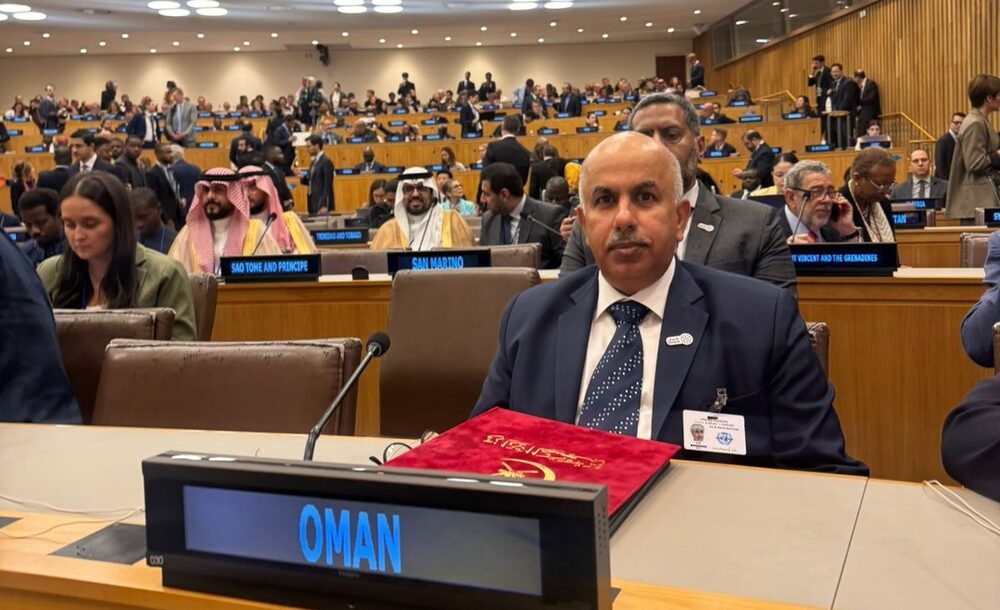

New York: The meeting focused on the prevention and control of non-communicable diseases (NCDs), one of the most pressing health challenges worldwide.
At the plenary session, His Excellency Dr. Hilal bin Ali Al Sabti, Minister of Health, underlined that addressing NCDs requires a multi-sectoral strategy tackling social, economic, and behavioral factors. He noted that Oman has aligned its national health policies with Oman Vision 2040, implementing reforms such as plain packaging for tobacco, increased taxes on harmful products, and updated food policies.
HE Dr. Al Sabti emphasized that preventive interventions yield strong economic returns, with Oman’s National Survey of Non-Communicable Diseases shaping long-term strategies for public health. He highlighted that primary care forms the backbone of Oman’s 240-plus health facilities, complemented by early screening programs and digital innovations such as the Virtual Health Center and the use of artificial intelligence in chronic disease management. Oman’s designation as a WHO Collaborating Center for Chronic Respiratory Diseases was also cited as evidence of its growing international recognition.
Read More
- GCC history forum participants thank His Majesty Sultan Haitham for Oman’s warm hospitality
- His Majesty Sultan Haitham sends condolences to Nepal president over flood, landslide victims
- Oman records highest temperature of 46.2°C
- Heavy rain and hail lash Oman’s Al Buraimi, triggering wadi flows
- Honourable Lady visits Omani Women’s Association in Salalah
Adding to this, His Excellency Dr. Ahmed bin Salem Al-Mandhari, Undersecretary for Health Planning and Regulation, addressed the first multilateral discussion on health systems and financing. He explained that Oman had lowered the age for NCD screenings to 35 years to promote early detection, while also strengthening national capabilities in mental health. He reiterated Oman’s focus on diversifying health financing through responsible partnerships and investing in preventive health as a foundation of sustainable development.
The UN meeting reviewed global progress against chronic diseases such as heart disease, cancer, diabetes, and respiratory illnesses. Member states discussed the urgent need to accelerate preventive action and strengthen partnerships to meet the global target of reducing premature deaths from NCDs by one-third by 2030.





