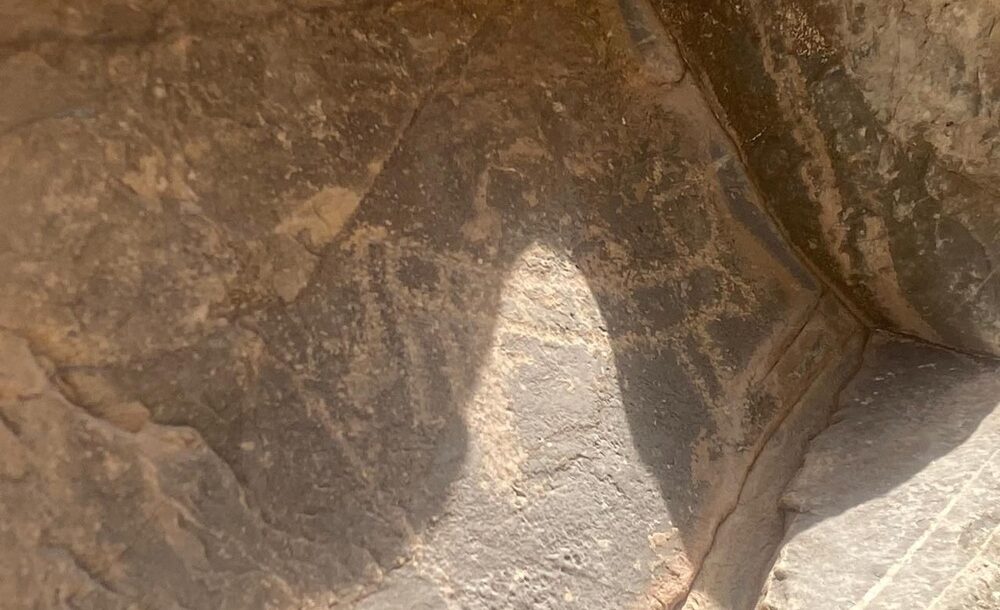

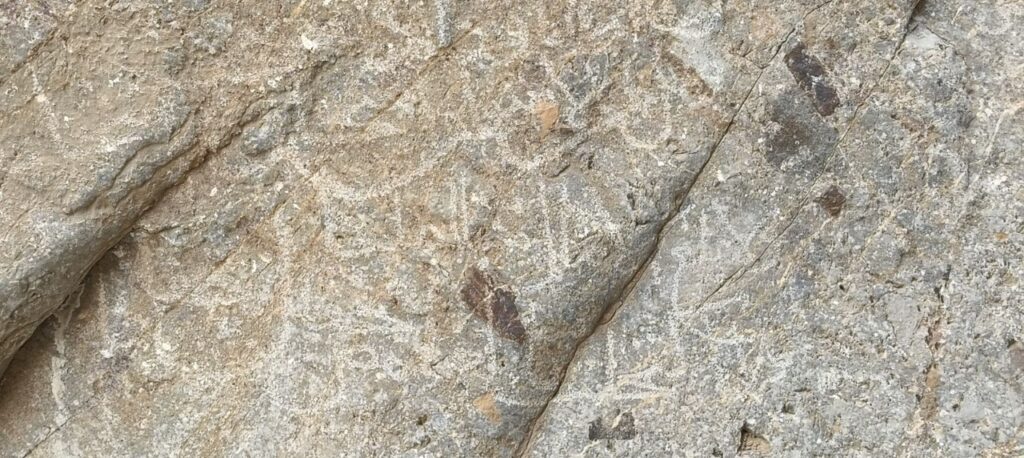
MUSCAT – These drawings are distributed along both banks of the valley and features depictions of a wide range of animals, including cows, bulls, camels, horses, mountain goats, and ibex, as well as human figures and geometric symbols. These drawings offer insights into the environmental and symbolic richness of the lives of ancient Omanis.
Initial estimates indicate that these rock drawings are quite ancient.
Read More
- India-Oman AYUSH Information Cell inaugurated at KIMS Health Hospital, Muscat
- Oman sets temporary 30-litre refuelling limit at stations near border crossings
- Oman warns of legal action over online posts offending countries, their leaders
- Oman’s higher education sector gains global attention, says top Ministry of Education official
- GCC tourism revenue rises 9.7% to $131.9 billion in 2025
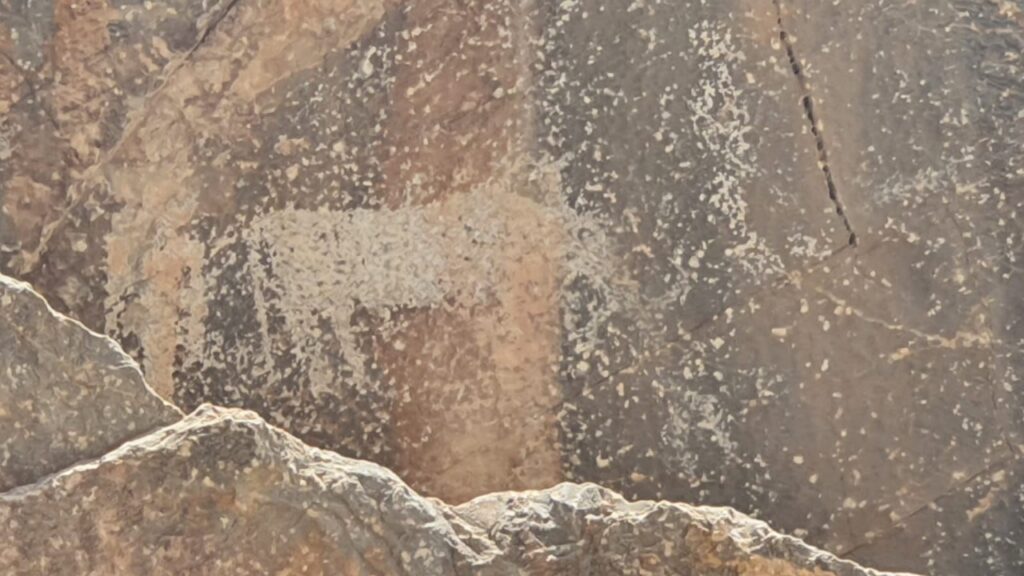
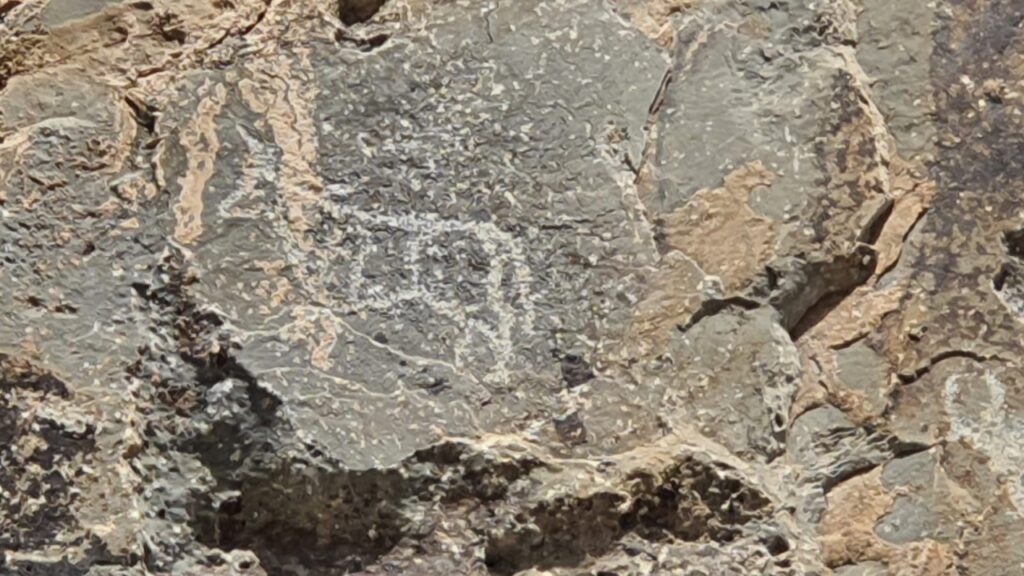
Among the most significant discoveries are drawings believed to represent the Arabian leopard, identifiable by its slender frame and long tail. This rare depiction highlights the ancient population’s familiarity with predatory wildlife that once inhabited Oman’s mountainous regions.
This type of drawing is rare in rock art in the region. Arabic writings and camel drawings dating back to the Islamic period have also been documented, indicating the continued use of these rocks as a means of visual documentation and cultural expression even after the arrival of Islam in the region.
The Ministry emphasised that this discovery is a valuable scientific and cultural addition to the Sultanate’s growing archaeological record. It also underscores the importance of ongoing documentation and preservation efforts, which the Ministry is pursuing in cooperation with relevant authorities to protect this ancient heritage from erosion and other natural factors.





