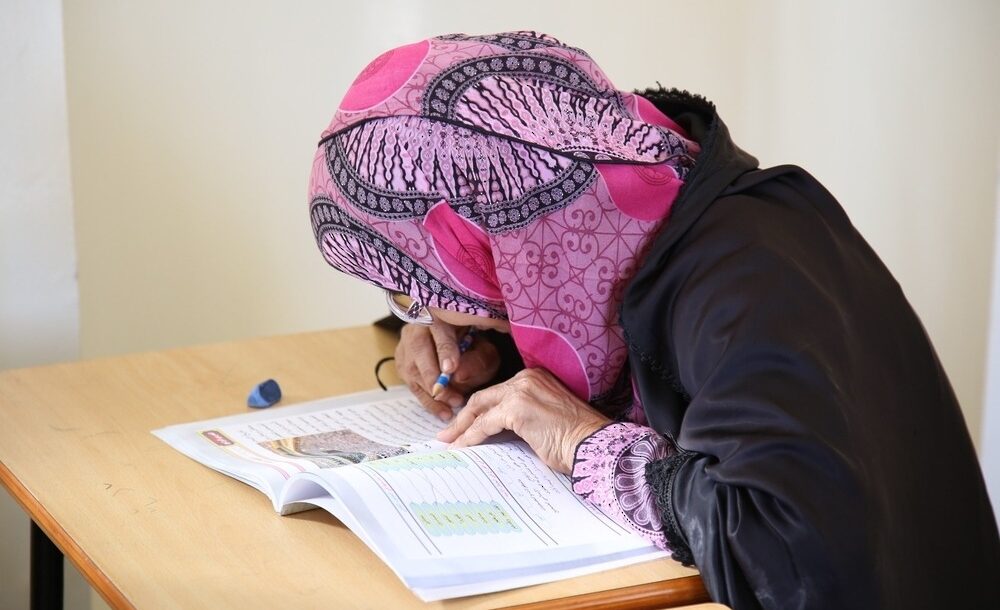

MUSCAT – The ceremony included a range of diverse events and programmes aimed at raising awareness of the importance of literacy, as it represents an obstacle to social, cultural, and economic progress in many countries.
It is pertinent to note that the illiteracy rate among Omani citizens had decreased to 0.54 percent in the 15 – 44 years age group by 2024, reflecting the success of the Ministry of Education in implementing extensive strategic literacy programmes.
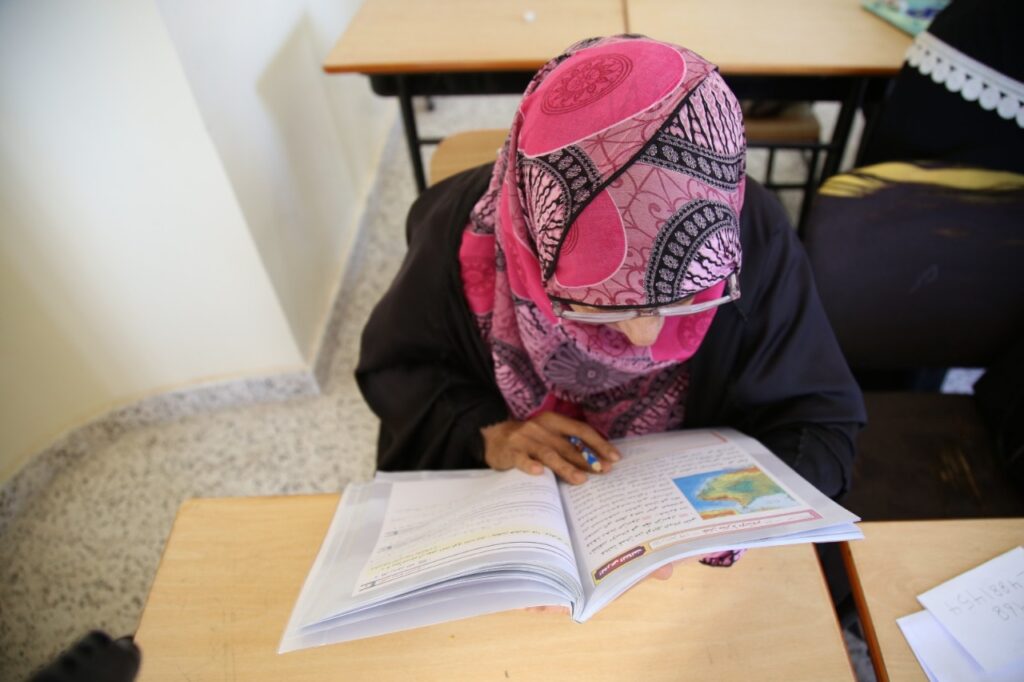
Additionally, 230 educational classes were opened for the 2024/2025 academic year, encompassing approximately 2340 male and female students across various educational directorates in the governorates. Technology was incorporated as an effective tool for teaching reading and writing, with students participating in training sessions that utilized digital tools to simplify vocabulary and information, making the learning process more interactive and engaging.
Read More
- India-Oman AYUSH Information Cell inaugurated at KIMS Health Hospital, Muscat
- Oman sets temporary 30-litre refuelling limit at stations near border crossings
- Oman warns of legal action over online posts offending countries, their leaders
- Oman’s higher education sector gains global attention, says top Ministry of Education official
- GCC tourism revenue rises 9.7% to $131.9 billion in 2025
Educational materials, curricula, and exercises were also sent to students’ phones in an electronic format, allowing them to review lessons and complete exercises in their free time, alongside the ability to search for additional information that enriches the educational content. Practical experiments were applied using artificial intelligence (AI) to support the educational process in literacy classes, and worksheets were presented by teachers and specialists in the lifelong learning departments of the educational governorates. This contributed to expanding the learners’ knowledge and enhancing their ability to information and transforming it into useful educational content, in addition to providing a set of computerized programs that align with the requirements of the modern era.
This celebration confirms that literacy in its various forms—alphabetical, cultural, and digital—represents a fundamental pillar for empowering people to contribute effectively to building their society and enhancing their capabilities, in alignment with UNESCO’s orientations, which have made this international day an annual occasion to remind us of the importance of spreading knowledge and entrenching a culture of continuous learning, based on the 1966 UN resolution adopting this international occasion to highlight the importance of literacy.





