
Dubai: The Dubai Court of Appeal has reduced the prison sentence of Indian businessman Balvinder Singh Sahni, widely known as Abu Sabah, from five years to four, while significantly increasing the financial penalty in a high-profile money laundering case.
Under the new ruling, Sahni will serve four years in jail, pay a Dh500,000 fine, and face deportation after completing his sentence. In addition, he and 32 other defendants were collectively ordered to pay Dh150 million, one of the largest fines ever imposed in a money laundering case in the UAE.
The court also confirmed hefty penalties for the other convicted individuals and entities: eleven defendants were sentenced to five years in prison and fined Dh500,000 each, ten others received one-year jail terms with Dh200,000 fines, while three companies involved were fined Dh5 million each. Authorities also ordered the confiscation of funds, electronic devices, and mobile phones linked to the network.
Read More
- Germany records nearly 10,000 heat-related deaths this year
- US military completes two-hour strikes on dozens of IRGC targets in Iran
- Russia charges Telegram founder Pavel Durov with ‘facilitating terrorism’, issues international arrest warrant
- Meta, BlackRock partner to build USD 14 billion Texas data center campus
- India at UNSC says “world’s focus on Strait of Hormuz” must not divert attention from Gaza
The case emerged in late 2024 after authorities uncovered a complex laundering operation involving shell companies and cross-border fund transfers. Prosecutors described it as one of the most sophisticated money laundering networks investigated in the country.
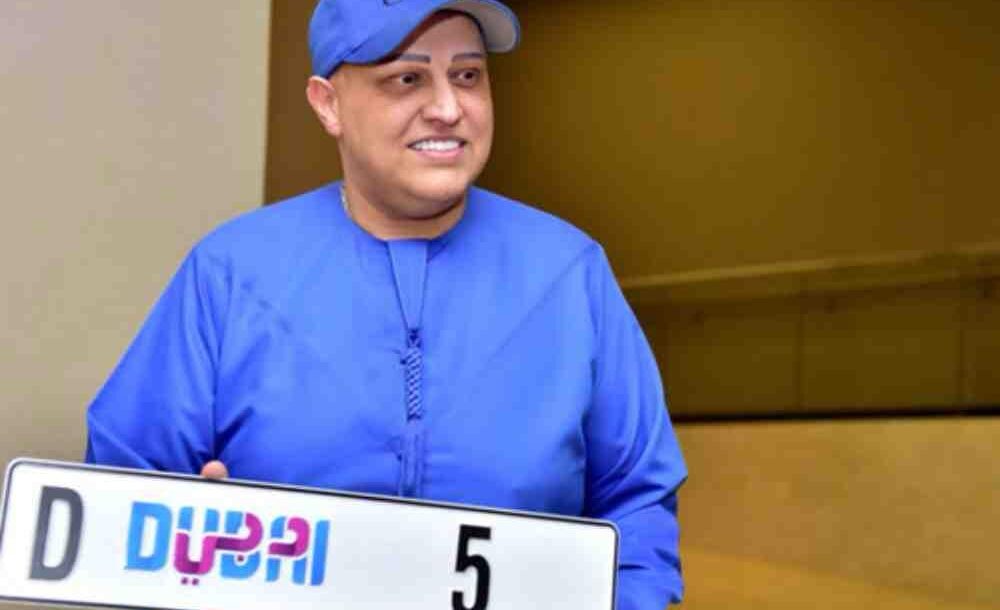
Sahni, a well-known figure in Dubai’s business circles and the chairman of a property management group, had gained public attention in 2016 when he purchased the coveted number plate “5” for Dh33 million.
The ruling highlights the UAE’s uncompromising stance on financial crimes, reinforcing its efforts to combat money laundering and protect the integrity of its financial system.





