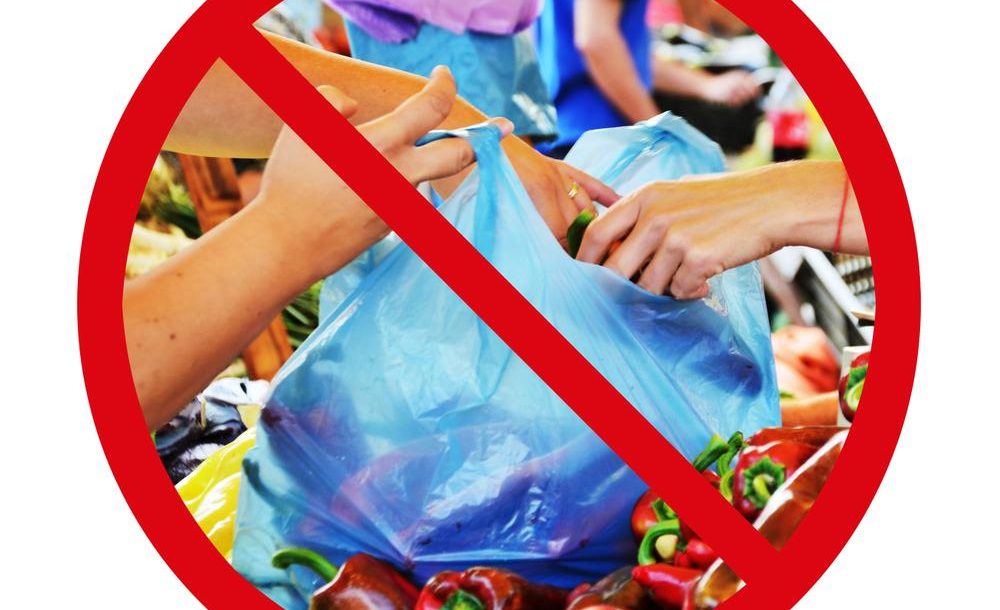

MUSCAT : The Authority has issued a statement, highlighting the long-term dangers of single-use plastic bags on marine life and the broader environment.
“A single plastic bag may seem harmless, but it leaves a profound impact on marine life and our environment for decades! Your simple decision to use sustainable alternatives makes a big difference,” it stated.
The Authority detailed the consequences of plastic pollution on ocean ecosystems as follows:
Marine Animal Ingestion: Fish, turtles, and whales may mistake plastic bags for food and swallow them, leading to suffocation or blockages in their digestive systems, which can result in death.
Suffocation: Marine creatures like turtles or birds may get entangled in plastic bags, causing them to suffocate or suffer serious injuries.
Read More
- SalamAir resumes direct Muscat–Beirut flights
- His Majesty Sultan Haitham issues Royal Decrees on national symbols, facility protection and multinational tax
- Oman opens Muscat Airport office to protect arriving workers from exploitation and trafficking
- Misleading health ads in Oman could draw RO 1,000 fines, licence suspension or cancellation
- Muscat Expressway works to begin by November; changes to office hours under study
Marine Environment Pollution: Plastic does not decompose easily and remains in the water for extended periods, polluting marine environment and affecting the food chain.
Impact on Biodiversity: The persistent presence of plastic compromises animal health and multiplies environmental issues, posing a serious threat to the ecological balance of oceans.
The EA stressed that “even a single plastic bag can cause significant and lasting damage to marine life.”
The third phase of the ban, commencing tomorrow, will extend to a new range of commercial activities, including food stores, fruit and vegetable shops, bakeries, confectionery shops, and gift shops.
This expansion follows previous phases, which saw the ban applied to pharmacies, hospitals, and clinics from July 1, 2024, and later expanded in January 2025 to include clothing, tailoring, eyewear, mobile phone, watch, and furniture outlets.