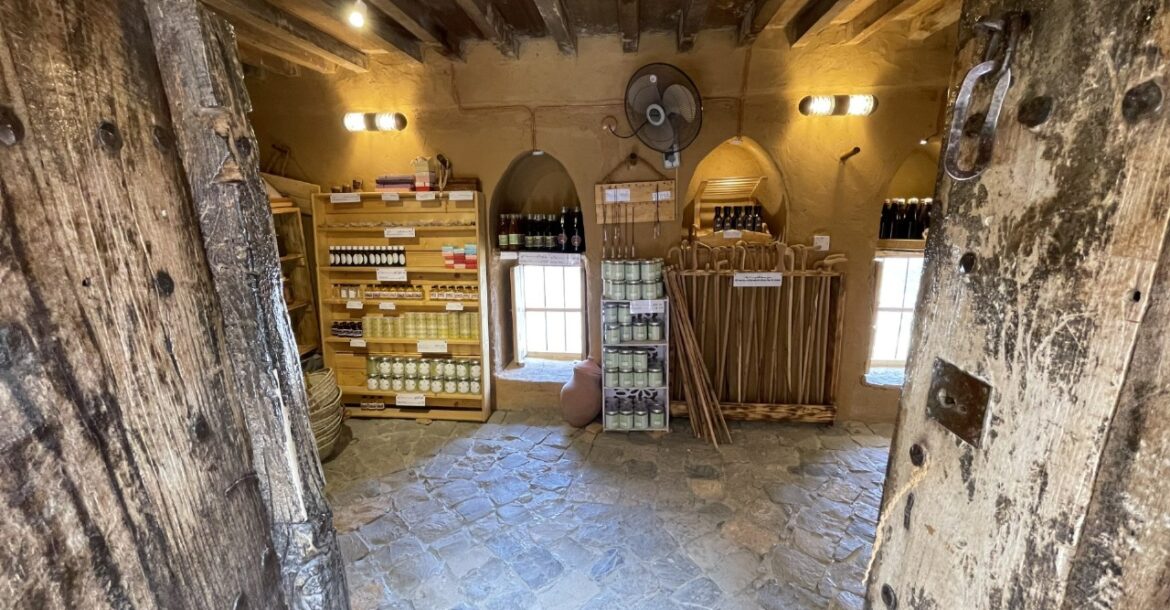

MUSCAT : This unique museum is a successful investment in old houses, offering a renewed facade for cultural tourism and a living link to the region’s rich heritage.
The museum is the brainchild of citizen Yousef bin Nasser Al Amri, who undertook the meticulous restoration of his childhood home. His vision was to transform the traditional Omani house into a space that not only preserves the memory of the place but also embraces visitors, allowing them to immerse themselves in history while experiencing life within an authentic traditional dwelling.
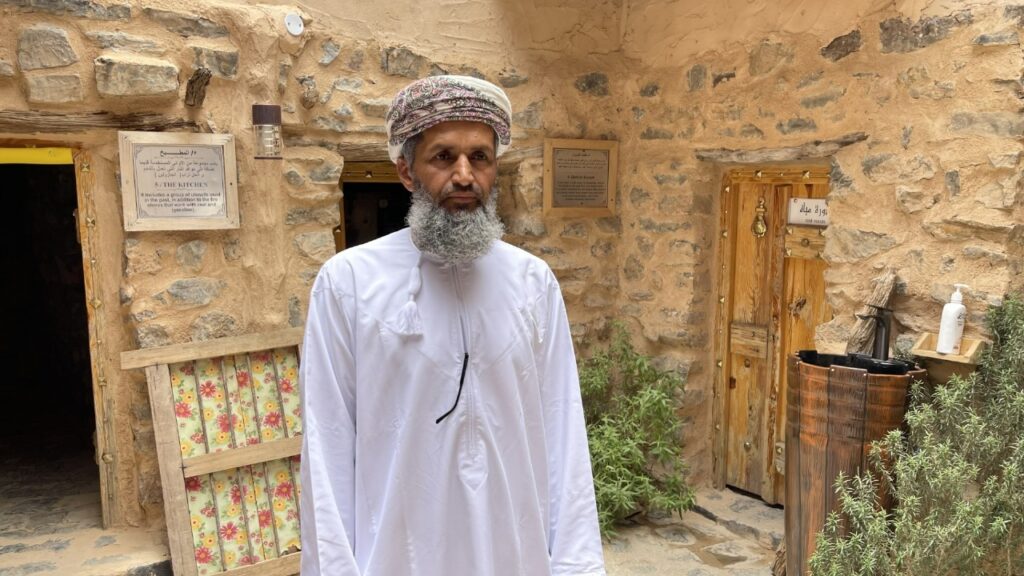
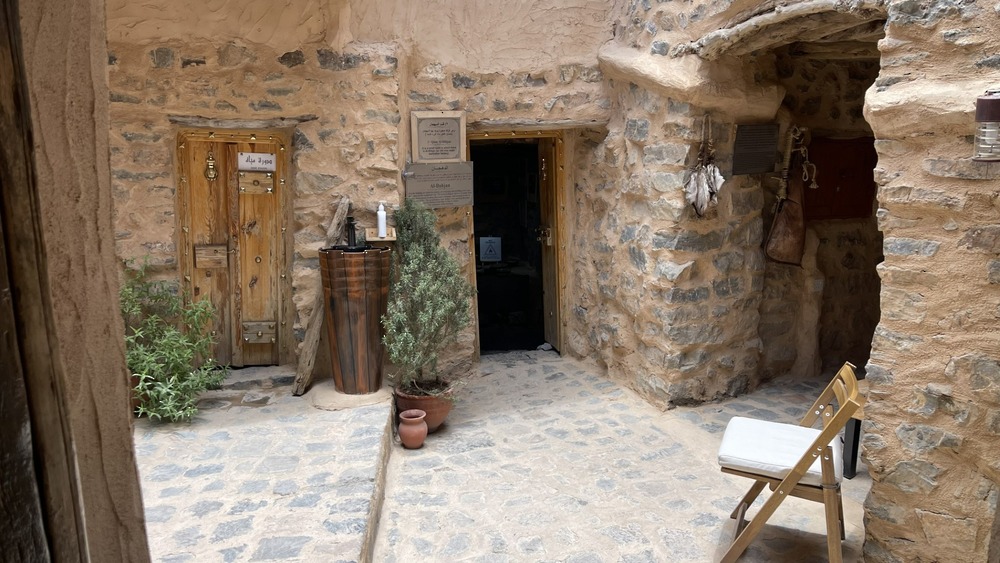
Al Amri ensured that the restoration maintained every original detail of the ancient house, including its doors, ceilings, partitions, and even its original timber from the local Atam trees, ensuring its authenticity remained uncompromised.
“I thought about bringing this house back to life, especially with the increasing number of visitors and tourists who visit Al Aqar village as a starting point for the villages of Jabal Al Akhdar. I saw converting the house into a museum as an opportunity to preserve the memory, serve the guest, and achieve a simple economic return,” stated Al Amri.
The museum comprises nine distinct rooms, each with its own function and story. Among the most notable are the ‘winter room’, where family members would gather around the fire in the mountain cold, serving as a ‘miniature family parliament’ for discussions and preparing traditional beverages. Another significant space is the ‘rosewater distillation room’, showcasing a craft dating back over three hundred years. Visitors can observe and even participate in the distillation process during the rose season (March-April), from picking roses to extracting their water and aromatic oils. The ‘Doors Room’ further highlights the ancestors’ ingenuity in woodworking, showcasing resilient and beautifully crafted doors made from Atam and Ghaf trees.
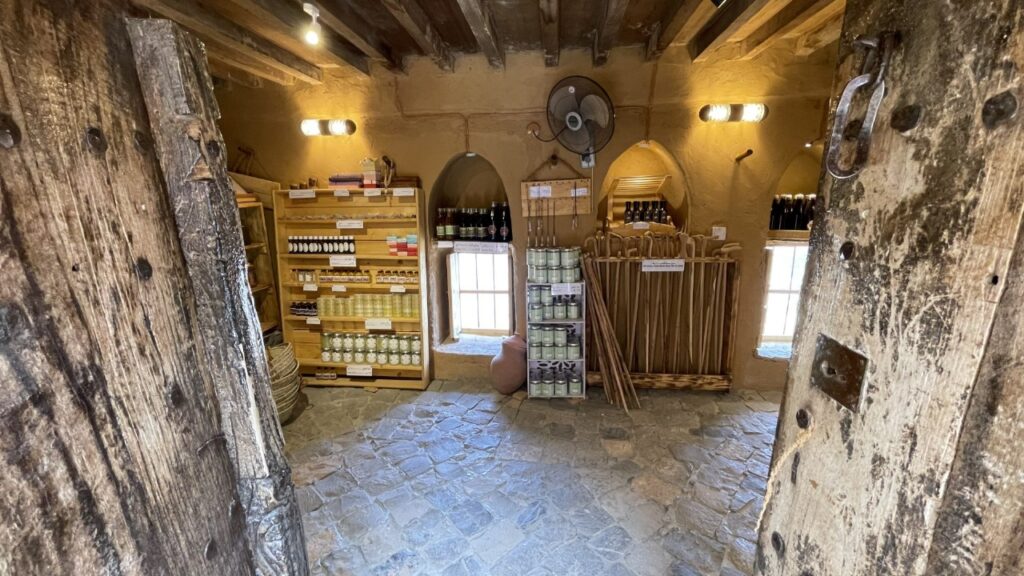
Given that the project not only showcases heritage but also contributes to its sustainability, the museum owner added a café overlooking the mountain’s agricultural terraces and a heritage store to showcase aromatic products such as rose water, oils, and handicrafts, most of which are produced by village women. This also makes the museum a marketing outlet for productive families.
The museum currently attracts an increasing number of visitors, particularly European and Asian tourists seeking an authentic heritage experience. The museum offers guided tours and a simple taste of daily mountain life, making the visit more than just a visual experience.
Al Amri extended a call to Omani youth to reconsider their old, uninhabited houses and villages. “These houses are not a burden, but rather opportunities that can be transformed into tourist attractions that restore the village’s vitality and provide employment opportunities, even for a small number of family members, instead of them remaining closed off and absent. This will be a living model for investing in old houses to stimulate sustainable tourism,” he concluded.
For all the latest news from Oman and GCC, follow us on Twitter, Instagram and LinkedIn, like us on Facebook and subscribe to our YouTube page, which is updated daily.
Read More
- Oman, Kazakhstan review bilateral ties and regional developments
- Oman’s Health Ministry urges public to act on suspected unsafe food
- Low clouds, fog expected over Muscat and Al Batinah
- Oman sets October 15 deadline for approval to use national symbols on products
- Oman, Iran agree framework for safe shipping corridor through Strait of Hormuz





